Introduction
Wood, a vital natural resource, forms the basis of countless applications. As a product of tree growth, its structure intrigues scientists and engineers. Wood composition, comprising cellulose, lignin, and hemicellulose, defines its properties. By May 2025, research into this organic material continues to expand. This article explores its structure, detailing its chemical makeup. It examines the processes of wood formation within living trees. The constituents, such as fibers and resins, are analyzed. Its wide-ranging applications, particularly in construction and furniture, are examined in detail.
Abundant in forests worldwide, this natural resource supports ecosystems. Its role in human civilization is well-documented. Studies reveal a complex biological framework. Historical records trace its utilization over centuries. Wood composition drives sustainable innovations today. Ongoing investigations uncover new insights.
Building on this foundation, its influence extends across disciplines. Scientific tools, like microscopy, enhance its study. The versatility of this organic material remains a research focus. Therefore, this article provides a comprehensive review. Its relevance in 2025 science is significant. Transitioning to its biological origins, the next section delves deeper.
Biological Processes of Wood Formation
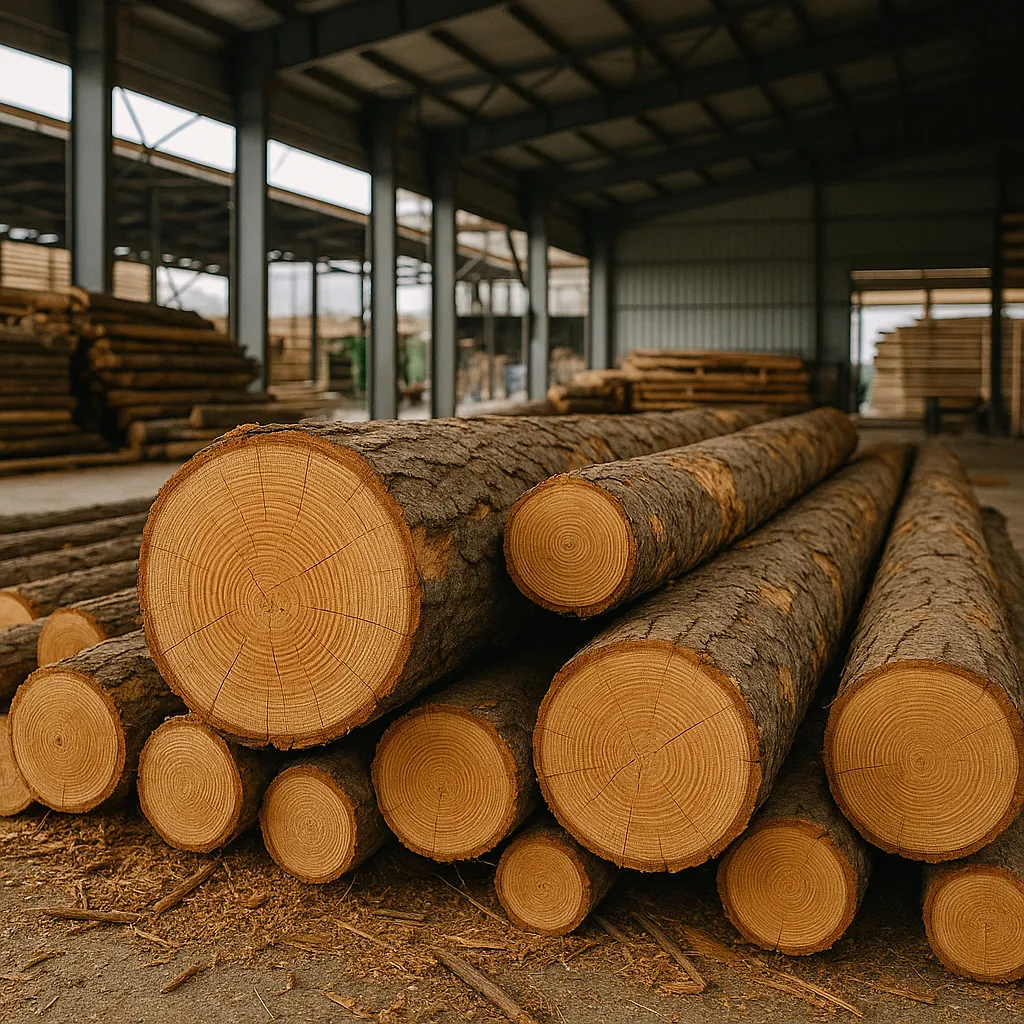
Wood formation begins within the living tissues of trees. This process, known as secondary growth, occurs in the cambium layer. The structure of this natural resource emerges as cells differentiate into various types. Xylem cells, responsible for water transport, form the bulk. Environmental factors, such as climate, influence this development. Annual rings reflect growth patterns over time.
Moreover, hormones regulate wood formation effectively. Trees adapt their framework to seasonal conditions. This dynamic process shapes elements like tracheids. Lignin deposition strengthens the developing tissue. The process differs between softwoods and hardwoods. Consequently, its characteristics reflect ecological adaptations.
Transitioning from growth to structure, this development impacts its final attributes. The rate of formation influences density and strength. Research continues to explore these biological mechanisms. Understanding this growth enhances material use. The following section examines its chemical makeup.

Chemical Makeup and Wood Components
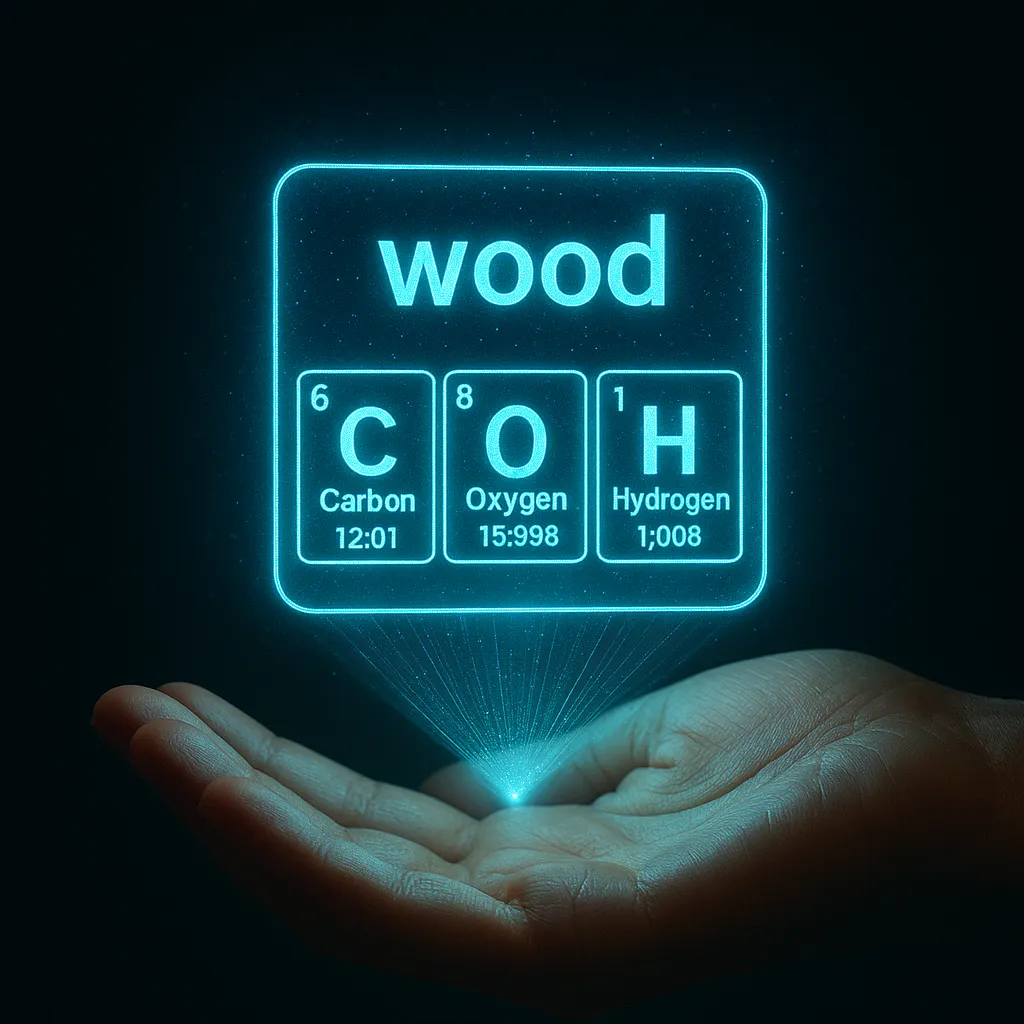
Wood composition consists primarily of organic polymers. Cellulose, a primary constituent, provides structural support. Lignin, another key element, adds rigidity and durability. Hemicellulose, linking these polymers, enhances flexibility. Together, they form about 90% of this organic material’s dry weight. Minor elements include extractives and ash.
Additionally, cellulose chains create a crystalline framework. Lignin acts as a natural binder within cell walls. Hemicellulose bridges gaps between these structures. Extractives contribute to color and odor. Ash reflects mineral content from the soil. These constituents vary by species and age.
Building on this chemical foundation, the properties of wood-based substances depend on these elements. The ratio of lignin to cellulose affects hardness. Environmental conditions influence extractive levels. Therefore, its structure determines practical applications. The next section explores these uses in detail.

Practical Applications and Wood Uses
The applications of wood dominate industries like construction and furniture. Its strength makes it ideal for building homes. Hardwoods, such as oak, craft durable furniture pieces. Softwoods, like pine, support framing structures. Its role in paper production is significant globally. These applications rely on its renewable nature.
Moreover, this natural resource serves in energy production. Biomass from wood fuels sustainable power plants. Its insulation properties benefit housing designs. The material is used in crafting tools and musical instruments. Packaging industries benefit from its versatility. Environmental sustainability drives its widespread use.
Transitioning to modern innovations, wood applications grow in technology. It appears in eco-friendly composites. Its role in carbon sequestration is notable. Recycling efforts enhance its lifecycle. Thus, its applications balance ecological and industrial needs. The following section addresses its chemical derivatives.

Chemical Derivatives from Wood Composition
Wood composition yields valuable chemical derivatives. Pyrolysis produces charcoal and volatile gases. These derivatives fuel industrial processes. Lignin extraction supports biofuel development. Hemicellulose breaks down into sugars for fermentation. These elements enhance chemical research.
Furthermore, cellulose derivatives create textiles and plastics. Lignin applications include adhesives and resins. Hemicellulose contributes to pharmaceutical products. These compounds reflect this organic material’s versatility. Environmental impact of processing is studied. Wood composition drives innovation in chemistry.
Building on these advancements, its chemical potential grows. Research explores sustainable extraction methods. Its derivatives support green technologies. Therefore, this natural resource’s applications extend beyond physical uses. The next section concludes this analysis.
Leave a Reply