Introduction
Climate change environmental impacts reveal a pressing global crisis. Rising temperatures disrupt ecosystems at an alarming rate. Recently, these effects have intensified across regions. Biodiversity loss and ocean changes are increasingly evident. This article examines these impacts in depth. It covers ecosystems, weather patterns, and human health. Global efforts to mitigate damage remain ongoing.
Extreme weather events have surged in frequency. Health risks are also on the rise. Furthermore, mitigation strategies are gaining momentum. Understanding these impacts is crucial for action. Let’s explore the causes and trends behind this phenomenon.
Studying climate change environmental impacts highlights the urgency. They threaten sustainability on a global scale. Ecosystems, for instance, face unprecedented stress. Their consequences demand immediate solutions. Let’s dive into the driving forces now.
Causes and Trends
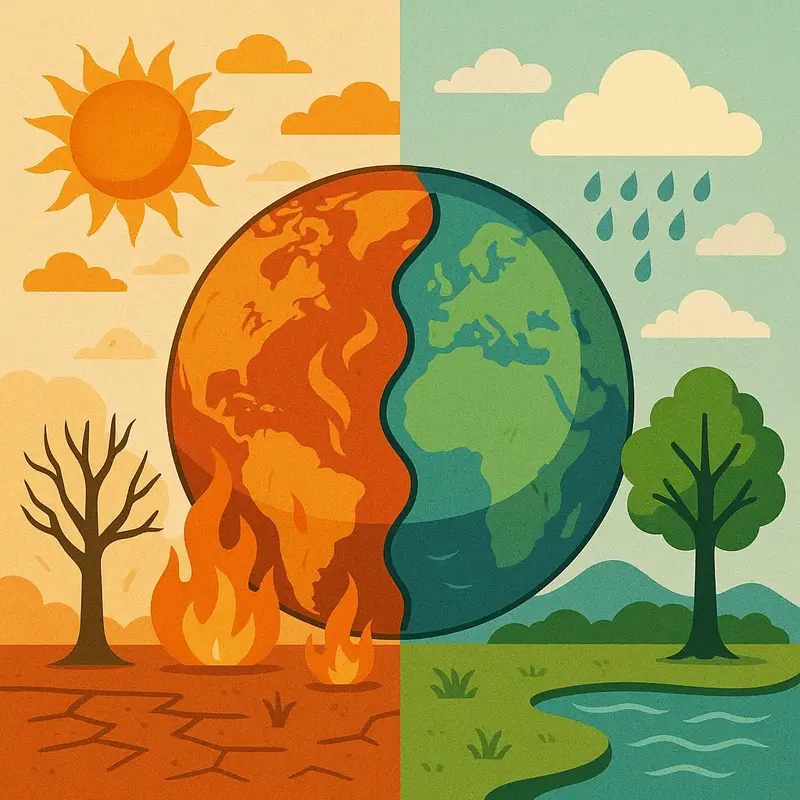
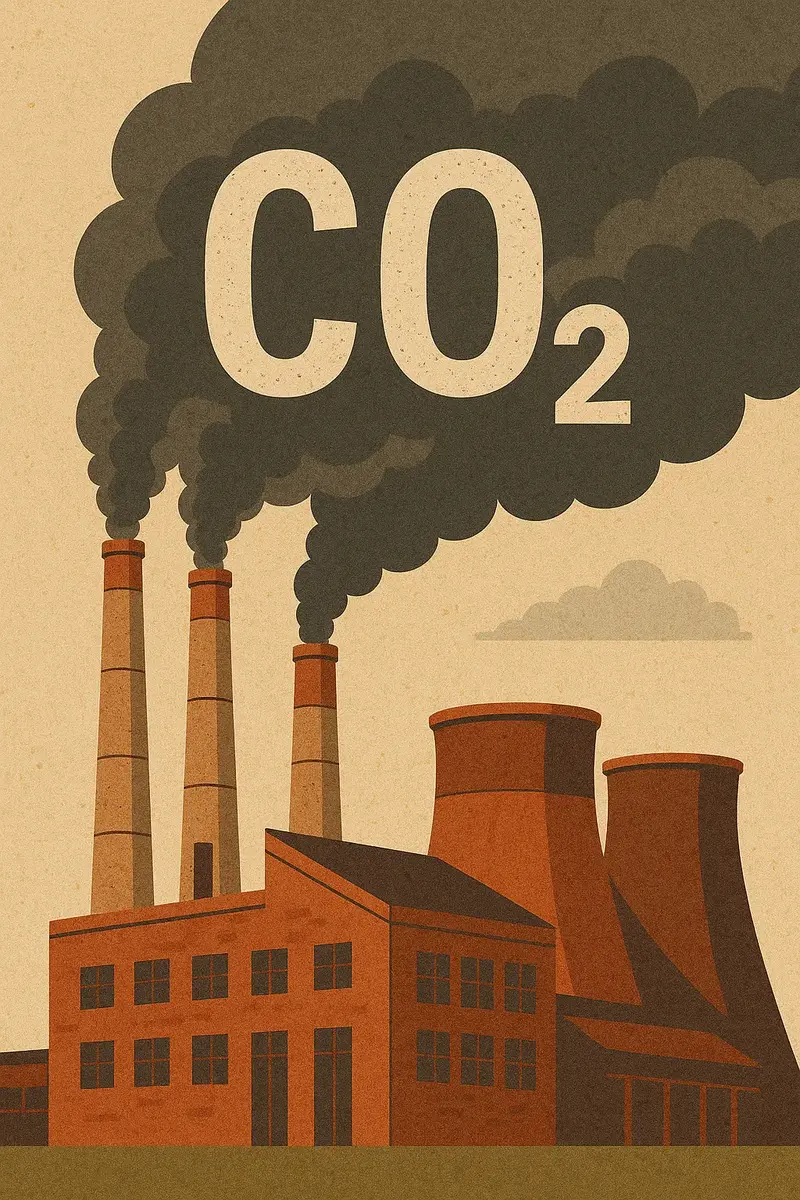
Climate change originates from greenhouse gas emissions. Carbon dioxide increases due to fossil fuel combustion. Deforestation exacerbates the issue significantly. Methane emissions from agriculture play a role too. Industrial activities release potent gases as well. Rising global temperatures are the direct result.
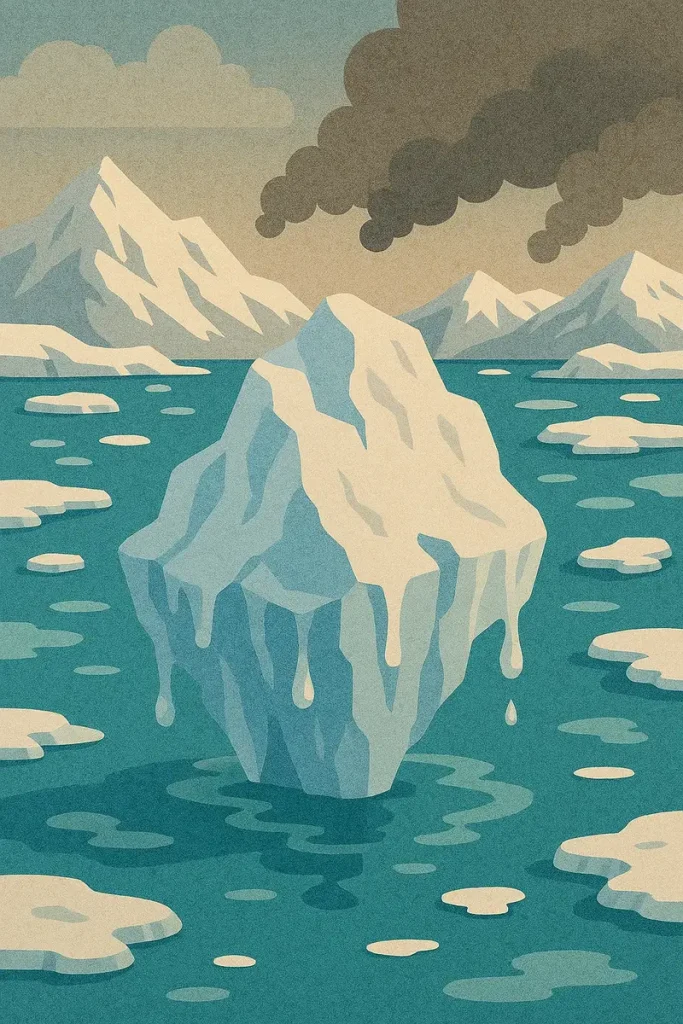
In recent years, trends have shown alarming patterns. Arctic ice has been melting rapidly. Sea levels are rising at a rate of 3.7 mm per year. Coastal erosion accelerates as a consequence. Climate change environmental impacts are thus severe. These effects ripple across ecosystems worldwide.
Human activities remain the primary driver. Policy shifts now focus on reducing emissions. Renewable energy adoption is also expanding. Addressing these causes is more critical than ever. Let’s move to the ecological effects in the next section.
Data confirms global warming trends. Sustainable practices are gaining traction. Awareness is spreading worldwide. Now, let’s examine how ecosystems are affected.
Impacts on Ecosystems
Effects on Biodiversity
Climate change effects on biodiversity are profound and far-reaching. Species are losing habitats at an unprecedented pace. Polar bears, for example, struggle as Arctic ice melts. Temperature shifts disrupt migration patterns of birds. Ecosystems lose balance as a result. Extinction rates have soared in recent years.
Coral reefs, critical for marine life, are declining rapidly. Up to 90% of reefs face bleaching due to warming waters. Some species adapt to these changes over time. Most, however, cannot keep pace with the rapid shifts. Climate change environmental impacts threaten global ecosystems.
Conservation initiatives are ramping up to protect species. Reforestation projects help restore vital habitats. Protecting biodiversity has become a global priority. These efforts also influence other systems, like oceans, which we’ll explore next.
Impact on Oceans
Climate change impact on oceans is a growing concern. Rising temperatures lead to widespread coral bleaching. The Great Barrier Reef, for instance, has lost much of its vibrancy. Ocean acidification harms shellfish and coral structures. Food chains face disruption as a result. Sea levels continue to rise, flooding coastal areas.
Ocean currents are shifting, affecting marine ecosystems. Warmer waters also reduce oxygen levels, stressing aquatic life. Marine protected areas offer some relief. Plastic pollution, however, adds further strain. Climate change environmental impacts extend deeply into marine systems.
Efforts to curb emissions aim to protect oceans. Sustainable fishing practices are also on the rise. Ocean health remains a critical focus. These marine changes often amplify atmospheric effects, such as extreme weather, which we’ll discuss next.
Extreme Weather Patterns
Climate change and extreme weather share a direct connection. Heatwaves are becoming more frequent and intense. Record-breaking temperatures have been observed globally in recent years. Hurricanes are growing stronger and more common. Infrastructure faces increasing risks as a result. Droughts are also impacting agriculture severely.
Flooding devastates coastal regions more often now. Prolonged droughts in arid areas exacerbate water scarcity. Early warning systems have improved response times. Economic losses, however, continue to rise. Climate change environmental impacts include these weather shifts.
Adaptation measures are reducing vulnerabilities in communities. Building resilient infrastructure helps mitigate damage. Addressing extreme weather is essential for global stability. These weather patterns also influence human health, as we’ll explore next.
Health and Social Impacts
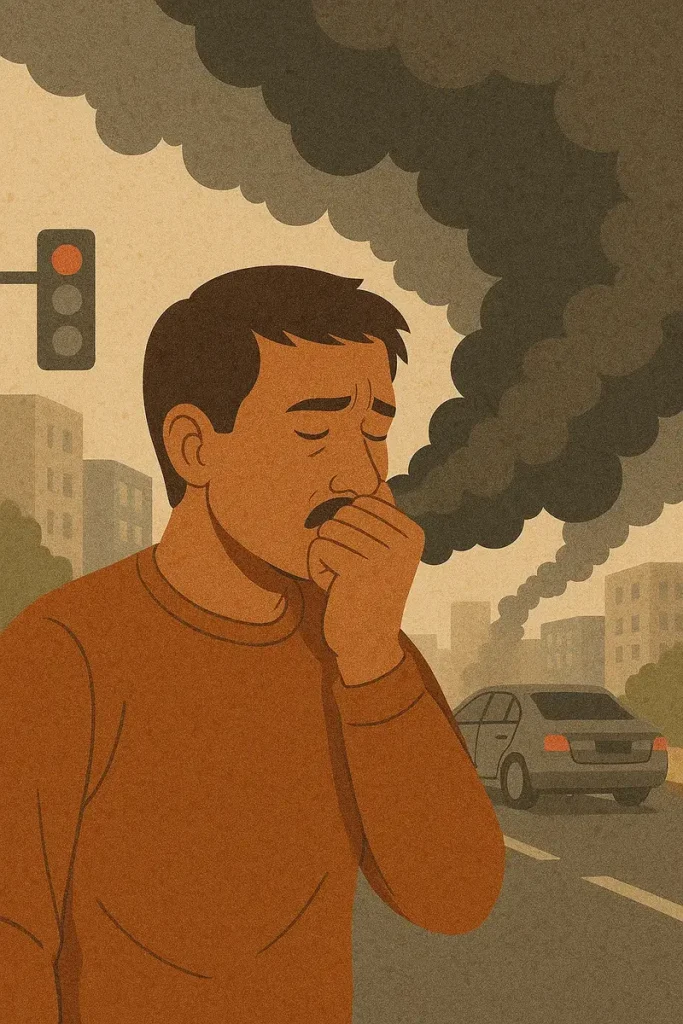
Climate change health risks are affecting millions worldwide. Rising temperatures expand the range of diseases like malaria. According to the World Health Organization, malaria cases have increased by 15% in tropical regions recently. Air pollution, worsened by heat, aggravates respiratory conditions. Vulnerable populations, such as the elderly, suffer the most. Heatwaves have led to thousands of fatalities in recent summers.
Mental health issues are also rising due to climate stress. Anxiety over environmental disasters is increasingly common. Healthcare systems struggle to keep up with these demands. Awareness campaigns, however, are helping communities cope. Climate change environmental impacts harm human well-being significantly.
Food insecurity is growing as crop yields decline. Water scarcity, driven by droughts, affects hygiene and sanitation. Addressing these health challenges is a global imperative. Let’s now turn to strategies for mitigation and adaptation.
Mitigation and Adaptation
Mitigation Strategies
Climate change mitigation strategies are gaining global traction. Renewable energy adoption reduces emissions effectively. Solar power, for example, now powers millions of homes worldwide. Reforestation projects sequester carbon at a large scale. Global efforts are intensifying as a result. Carbon pricing mechanisms are also being implemented.
Green technology continues to advance rapidly. Electric vehicle usage has surged, cutting transport emissions. Funding gaps, however, remain a challenge for many nations. International cooperation is growing to address this. Climate change environmental impacts demand sustained action.
Policy frameworks are prioritizing sustainability goals. Public awareness campaigns drive behavioral change. Mitigation remains a cornerstone of global climate efforts. Let’s now look at how societies are adapting to these changes.
Adaptation Measures
Adaptation measures help communities cope with climate impacts. Coastal barriers are being built to combat sea level rise. The Netherlands, for instance, has invested heavily in advanced dike systems. Drought-resistant crops are supporting farmers in arid regions. Food security improves as a result. Urban planning now incorporates green spaces to reduce heat.
Adaptation funding has increased in many regions. Communities are becoming more resilient over time. Developing nations, however, still face resource shortages. Technology is aiding adaptation through innovative solutions. Climate change environmental impacts require ongoing preparation.
Educational programs on adaptation are expanding. Local initiatives are thriving in many areas. Adaptation reduces vulnerabilities and builds resilience. Let’s conclude with a reflection on these challenges and solutions.
Leave a Reply