Introduction
Oranges brighten tables worldwide, from Chinese New Year feasts to Moroccan salads. Their juicy flesh and vibrant color make them a dietary staple across cultures. Orange benefits, like high vitamin C, support health and immunity. Global orange consumption exceeds 70 million tons annually, reflecting their popularity. Additionally, farmers cultivate oranges in diverse regions, from Florida to Iran, meeting demand. Their history and versatility make them a fascinating fruit to explore.
This article traces oranges’ journey, from ancient origins to modern uses. It examines their nutritional value, varieties, and cultural roles. In particular, oranges enhance cuisines and economies worldwide. Understanding their impact reveals why they’re cherished globally. Let’s dive in to uncover the story of this citrus star.
History of Oranges
Orange history began in Southeast Asia around 4,000 years ago. Ancient Chinese farmers grew mandarins, symbols of luck, a legend says for prosperity gifts. By 300 BCE, traders spread oranges to India and Persia via the Silk Road, where oranges accounted for ~10% of trade goods by weight. Persian oranges, prized for sweetness, became trade treasures. Consequently, orange history reflects early agriculture and commerce.
By the Middle Ages, oranges reached Europe through Arab traders. Notably, Spanish explorers planted orange groves in the Americas by the 1500s. In India, nagpur oranges thrived, noted in ancient texts for medicinal use. Oranges were once luxury gifts for royalty, showcasing their value. In particular, their global spread shaped culinary and economic traditions.
Today, oranges are a global crop, blending ancient and modern practices. Farmers in China and Iran maintain traditional groves, while factories process juice worldwide. From Silk Road caravans to supermarkets, oranges connect cultures. Moreover, their evolution continues to influence diets. Orange history highlights human ingenuity in cultivating this vibrant fruit.
Nutritional Benefits
Orange benefits shine through their rich nutrient profile, especially vitamin C. Specifically, 237 mL of orange juice provides 124 mg of vitamin C, exceeding daily needs. This vitamin boosts immunity and aids collagen production for healthy skin. Drinking orange juice daily for 14 days reduces oxidative stress by 27%. In particular, Middle Eastern diets use oranges to enhance vitality. These qualities make oranges a dietary essential.
Additionally, oranges contain fiber, antioxidants, and folate. Fiber supports digestion, while antioxidants like hesperidin protect heart health. Folate, vital for cell growth, benefits pregnant women. Indian nagpur oranges add nutrition to snacks. Orange benefits include preventing anemia, as vitamin C enhances iron absorption. These qualities make oranges a powerhouse for wellness.
Oranges also offer psychological perks. In particular, their refreshing taste and scent can uplift mood, studies suggest. Moderate consumption may lower chronic disease risks due to flavonoids. Chinese mandarin oranges are eaten for energy during festivals. Orange benefits blend health and enjoyment, enriching global diets with every juicy bite.

Types and Cultivation
Orange types vary by flavor, size, and use, from sweet to tart. Navel oranges, seedless and juicy, are popular for snacking in the West. In particular, Chinese mandarins, small and sweet, dominate Asian markets. Indian nagpur oranges, tangy and versatile, star in juices. These orange types cater to diverse tastes and cuisines.
Blood oranges, with red flesh, offer a unique berry-like flavor. Valencia oranges, grown for juice, thrive in warm climates. In particular, Persian bitter oranges, used in marmalades, grow in Iran. World orange production reached 54.3 million tons in 2018–2019. Hence, orange types reflect global agricultural diversity.
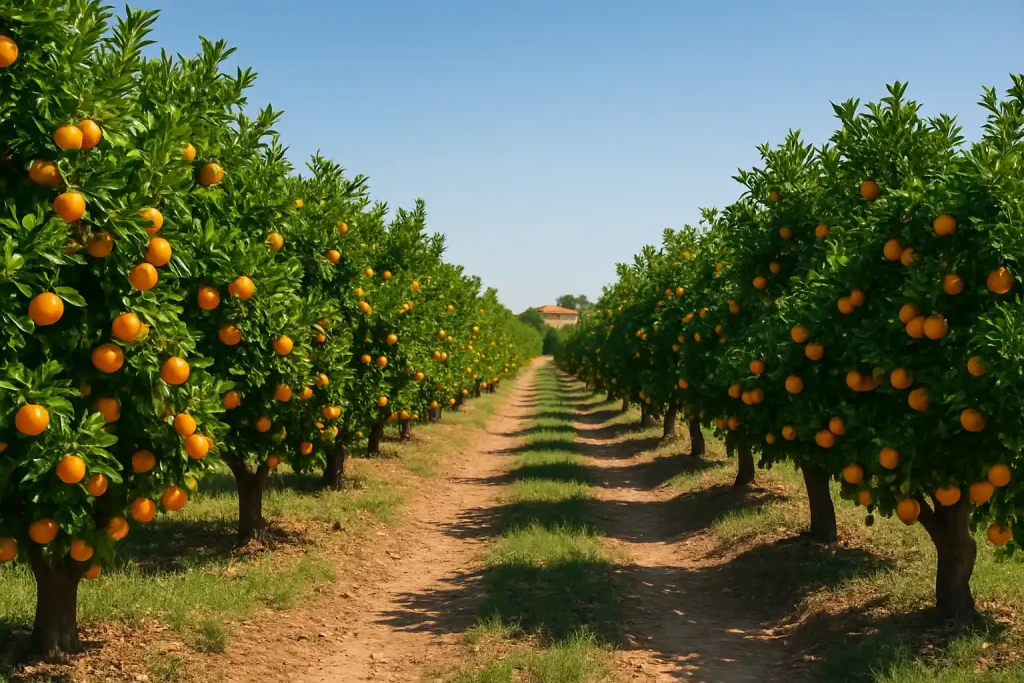
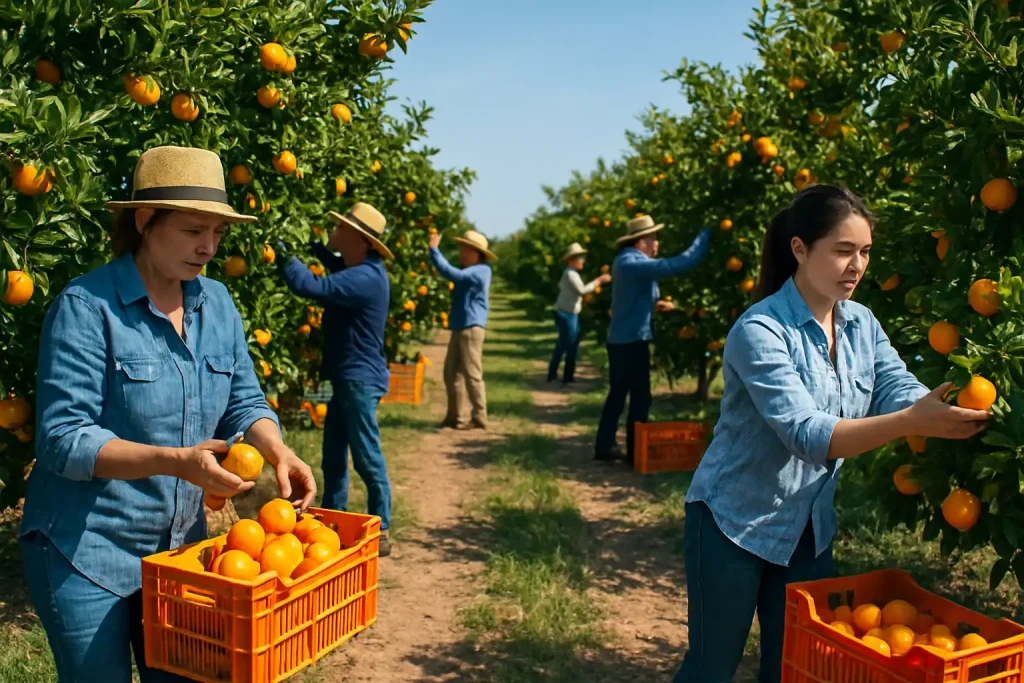
Farmers cultivate oranges in subtropical regions, needing warmth and water. Major producers include Brazil, China, and India, supplying most global oranges. Oranges require well-drained soil and careful irrigation to thrive. In Morocco, farmers use traditional groves for sustainable yields. Additionally, pest control, like natural predators, ensures healthy crops.
Modern cultivation blends technology with tradition. In particular, sensors monitor soil moisture in Chinese groves, boosting efficiency. Farmers graft trees to improve disease resistance, a practice rooted in ancient Persia. Orange types and cultivation methods evolve to meet demand. Their global reach underscores the fruit’s adaptability and appeal.

Consumption and Uses
Orange consumption spans culinary, cultural, and industrial uses. People eat oranges fresh, juiced, or in dishes like Moroccan orange salads. In China, mandarins are gifted during New Year for luck, a tradition from ancient times. Their zest flavors Middle Eastern desserts, adding aroma. Therefore, oranges enhance global cuisines with versatility.
Global orange juice sales exceed $20 billion annually, showing industrial demand. Manufacturers use orange oil in perfumes and cleaning products for its fresh scent. In particular, Indian nagpur orange peels are dried for spices or cosmetics. In ancient Persia, traders sold orange extracts for medicinal tonics. Orange consumption extends to beverages and beyond.
Oranges also hold cultural significance. In Vietnam, orange trees decorate homes during Tet, symbolizing prosperity. Chefs in Brazil blend oranges into sauces for savory dishes. Additionally, orange marmalade, a British staple, has roots in Persian recipes. These uses highlight oranges’ role in connecting traditions and industries worldwide.
Leave a Reply