Introduction
The history of clothing traces human adaptation and cultural expression through millennia. From animal hides worn 170,000 years ago to tailored pants by 3,000 BCE, clothing protected and defined societies. For example, Ötzi the Iceman’s 5,300-year-old leggings show early craftsmanship. This article examines clothing’s origins, cultural roles, technological advancements, and global spread. Environmental costs, however, challenge modern practices. The history of clothing documents survival and creativity. Evidence from archaeology highlights its significance.
Clothing evolved from basic protection to symbols of identity. Early humans used hides, while later societies wove textiles. Technological and trade developments shaped its diversity. Historical data, therefore, clarify clothing’s role. This analysis explores its milestones and challenges. The history of clothing reveals its impact on human civilization.
Origins of Clothing
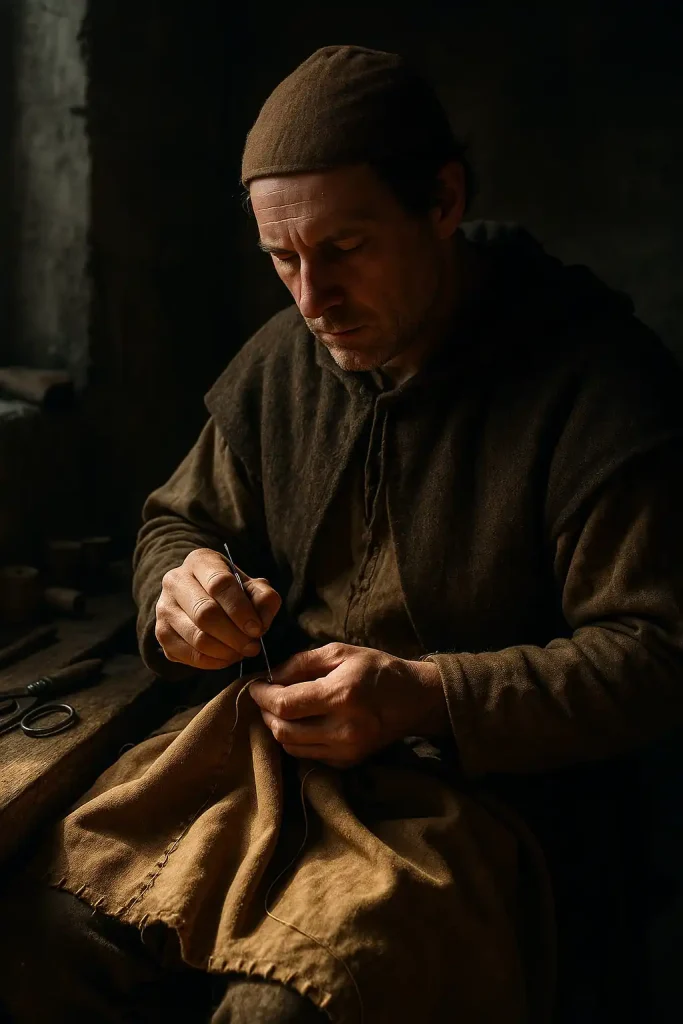
The origins of clothing date back to prehistoric times, around 170,000 years ago. Archaeological evidence, like hide scrapers from Pinnacle Point, South Africa, suggests early humans shaped animal skins for garments. These provided warmth in harsh climates. For example, Neanderthals likely wore hides to survive Ice Age winters. The history of clothing began with such practical needs. Skin garments marked a survival milestone. Their use reflects early human ingenuity.
Genetic studies of clothing lice estimate garment use at 170,000 years ago. Unlike head lice, clothing lice require fabric environments, indicating early clothing. Bone needles, found in 40,000-year-old Siberian sites, enabled sewn hides. These tools suggest fitted garments emerged by the Upper Paleolithic. The origins of clothing tied to environmental pressures. Sewing marked a leap in garment durability. Such evidence shapes our understanding.
Early clothing also served social purposes. Ochre-stained hides, dated to 100,000 years ago in Blombos Cave, suggest decorative intent. Adornments, like shell beads, signaled status or group identity. For instance, early humans used clothing to communicate social roles. The history of clothing includes these symbolic functions. Practical and cultural needs drove its development. Prehistoric garments laid the foundation for later innovations.

Early Cultural Developments
By 10,000 BCE, humans wove textiles, advancing clothing’s complexity. Flax fibers, found in 36,000-year-old Georgian caves, indicate early weaving. Mesopotamian societies by 5,000 BCE produced linen garments. For example, Çatalhöyük’s residents wore woven tunics, preserved in dry conditions. The evolution of clothing reflected agricultural growth. Textiles enabled lighter, versatile garments. These developments marked cultural progress.
Clothing began defining social hierarchies. In ancient Egypt, elite linen robes contrasted with laborers’ simple kilts. Dyes, like indigo, added status through color. Sumptuary laws, for instance, restricted purple dyes to royalty in Rome. Clothing’s cultural roles grew alongside societal structures. The history of clothing shows its social significance. Status symbols shaped early fashion systems.
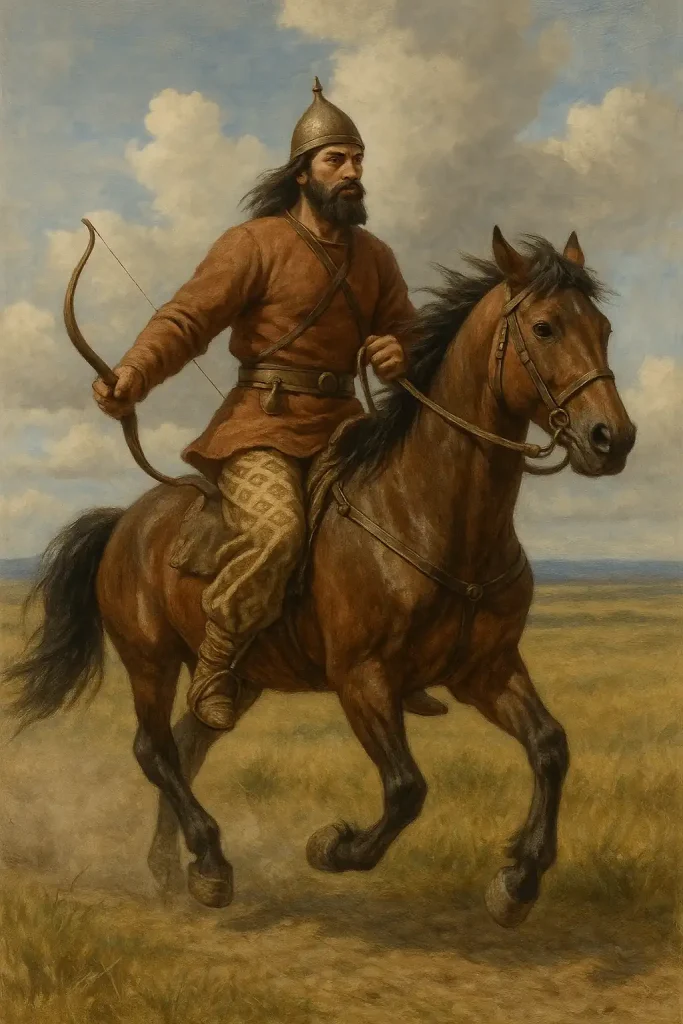
Pants emerged around 3,000 BCE, tailored for mobility. Ötzi the Iceman’s 5,300-year-old leggings, made of goat hide, suggest early leg coverings. By 3,000 BCE, Central Asian nomads wore woven trousers, ideal for horse riding. For example, Tarim Basin mummies display tailored wool pants. The evolution of clothing included these practical designs. Pants reflected regional needs. Their adoption spread through trade and migration.
Technological Advancements in Clothing
Technological advancements in clothing began with sewing innovations. By 40,000 BCE, bone needles enabled stitched hide garments, improving fit and durability. In 10,000 BCE, wooden looms wove flax into linen, scaling textile production. For example, Mesopotamian looms created uniform fabrics for tunics. These tools transformed clothing’s accessibility. The history of clothing includes such technological leaps. Sewing and weaving shaped early garment industries.
Natural dyes enhanced clothing’s aesthetic and social roles. By 4,000 BCE, madder and indigo dyed textiles red and blue, signaling wealth. Mordants, like alum, fixed colors permanently. Egyptian linen, for instance, used saffron for elite robes. Dye technology elevated clothing’s cultural value. However, labor-intensive processes limited access. These advancements drove visual diversity in garments.
The Industrial Revolution revolutionized clothing production. In the 1760s, the spinning jenny mechanized cotton thread production, lowering costs. By the 1850s, sewing machines enabled mass-produced garments. For example, ready-to-wear suits became affordable in Europe. The evolution of clothing accelerated with mechanization. Factories, however, exploited workers, raising ethical concerns. Industrial tools reshaped clothing’s availability.
Modern advancements introduced synthetic fibers and automation. Nylon, developed in 1935, offered durable, cheap fabrics. Computerized looms since the 1980s produce complex patterns rapidly. Fast fashion brands, for instance, churn out millions of garments annually. Technological advancements in clothing boost efficiency but harm the environment. The history of clothing balances innovation with sustainability challenges. Future technologies aim to reduce waste.
Global Spread and Cultural Significance
Clothing spread globally through trade and conquest. The Silk Road, by 200 BCE, exchanged Chinese silk for Persian wool, blending styles. Roman togas influenced Mediterranean dress, while Indian saris reached Southeast Asia. For example, silk garments symbolized wealth across cultures. The history of clothing reflects global exchange. Trade networks diversified garment traditions.
Colonialism reshaped clothing practices by the 1500s. European powers imposed dress codes in Africa and Asia, disrupting local textiles. Yet, colonial trade introduced cotton globally, fueling industrialization. African kente cloth, for instance, gained international recognition. Clothing’s cultural significance persisted despite imposition. The evolution of clothing includes these complex dynamics. Colonial legacies shaped modern fashion.
Clothing became a medium for cultural identity. In the 20th century, Japanese kimonos and Scottish kilts preserved heritage amid Westernization. Social movements, like India’s khadi campaign, used homespun cloth to resist colonialism. For example, traditional dress reinforced national pride. Clothing’s global spread strengthened cultural expression. Its symbolic power remains universal.
Modern clothing faces sustainability challenges. Fast fashion produces 92 million tons of waste yearly, polluting waterways. Labor exploitation in sweatshops sparks ethical debates. Sustainable fibers, like recycled polyester, aim to reduce impact. For instance, circular fashion promotes garment reuse. The history of clothing highlights progress and pitfalls. Addressing these ensures clothing’s ethical future.

Leave a Reply