Introduction
Solar panel technology converts sunlight into clean electricity, reshaping global energy systems. With 235 gigawatts installed worldwide, solar powers 6% of U.S. electricity, slashing carbon emissions. This article explores its history, current advancements, and future potential. For example, efficiencies have climbed from 1% in the 1800s to 25% today. Solar energy advancements drive sustainability. Yet, recycling and mineral extraction pose significant challenges.
Costs have plummeted 90% since 2010, boosting accessibility. However, land use and battery production strain ecosystems. Innovations like AI and bifacial panels enhance output, while policies like EU’s 750 GW target accelerate growth. Unlike fossil fuels, solar offers limitless energy. Solar panel applications span homes to vast farms. This technology fuels hope for a sustainable future.

History of Solar Panels
Solar panel technology began in 1839 when Edmond Becquerel discovered the photovoltaic effect. This process, converting photons to electricity, sparked scientific interest. In 1883, Charles Fritts crafted the first solar cell with 1–2% efficiency using selenium. High costs, though, favored coal over solar energy advancements. Early efforts laid the foundation. These milestones shaped solar’s trajectory.
By 1910, Frank Shuman’s solar steam engine pumped 3,000 gallons daily, envisioning fossil fuel replacement. World War I and cheap oil, however, halted progress. For instance, Britain funded his Egyptian projects, but interest faded. In contrast, industrial reliance on coal grew. Solar panel applications remained limited. Governmental support proved crucial for initial growth.
In 1954, Bell Labs’ 6% efficient silicon cell marked a turning point. The 1970s saw Jimmy Carter install White House panels, backed by $7B U.S. tax credits, while China’s $15B subsidies since 2005 drove 40% of global capacity. Ronald Reagan’s removal of panels, though, slowed momentum. Today, 235 GW reflects decades of policy-driven growth. Solar panel technology thrives on innovation and support.
Current Solar Technologies
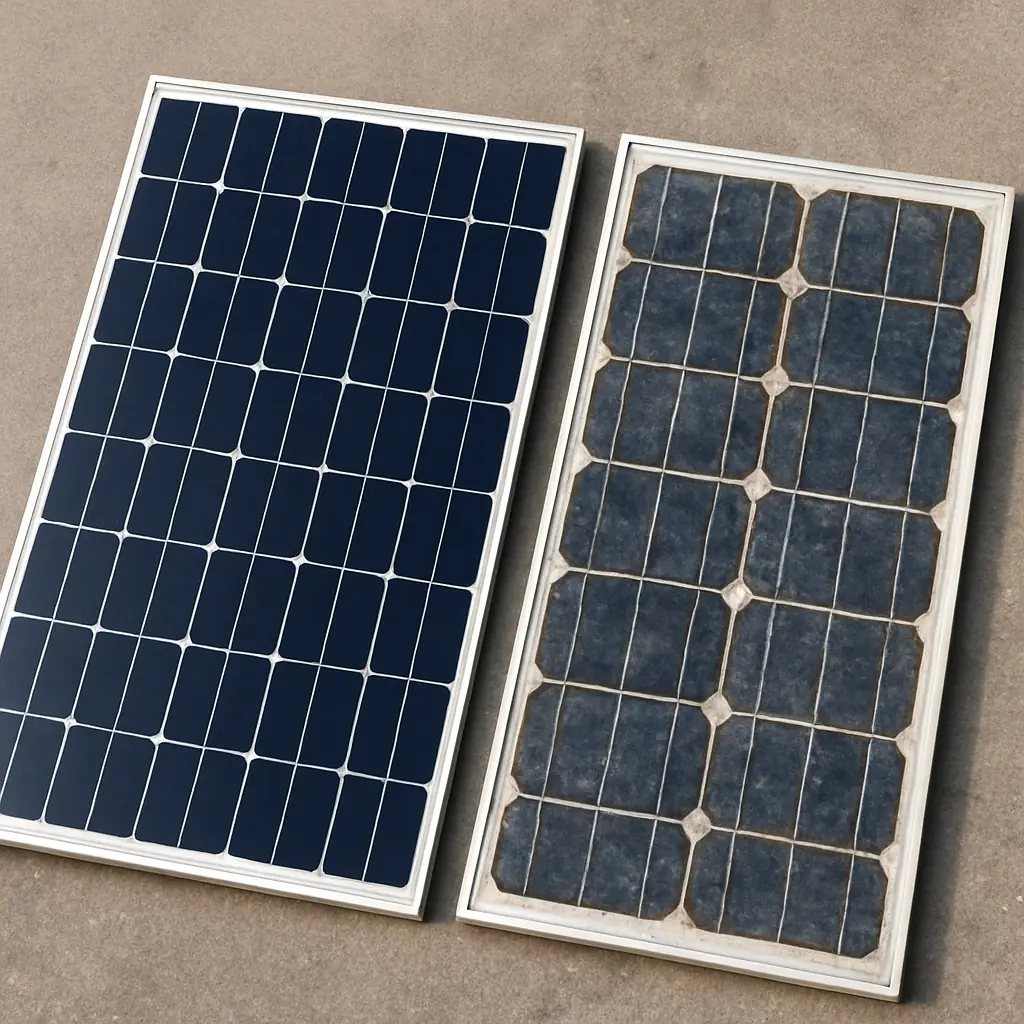
Solar panel technology achieves 22–25% efficiency in monocrystalline silicon panels, holding 90% market share. These outperform polycrystalline (15–20%) but demand energy-intensive production at 1,500 kWh/ton. Thin-film cells, at 12–15% efficiency, cost $0.30/W vs. silicon’s $0.40/W, yet degrade faster. Solar energy advancements, like bifacial panels, boost output 10% by capturing light from both sides. Efficiency gains cut energy costs significantly.
Storage ensures reliability. Lithium-ion batteries store surplus power, though flow batteries last longer. Unlike thin-film’s shorter lifespan, silicon’s durability supports 25-year warranties. For example, Tesla’s Powerwall enables grid independence. Solar panel applications rely on storage. However, lithium mining emits 74 kg CO₂/ton, raising ecological concerns. Storage is critical for continuous solar power.
Only 10% of panels are recycled, projecting 1.7 million tons of waste by 2035. Hydrometallurgical processes, recovering 95% of silicon, offer a scalable solution. Silicon mining emits 12 tons CO₂/ton, but renewable-powered refineries cut emissions 30%. In contrast, thin-film’s simpler process uses less energy. Recycling and green mining remain urgent priorities. Solar panel technology balances efficiency with sustainability.
Bifacial panels and anti-reflective coatings increase yields. Unlike traditional panels, bifacials generate 15–20% more energy on reflective surfaces, though production costs are higher. Since 2015, efficiency improvements have slashed costs 30%. Tellurium scarcity, however, limits thin-film scaling, unlike silicon’s abundance. Environmental trade-offs persist. Current technologies drive solar’s global adoption.
Current Applications of Solar Panels
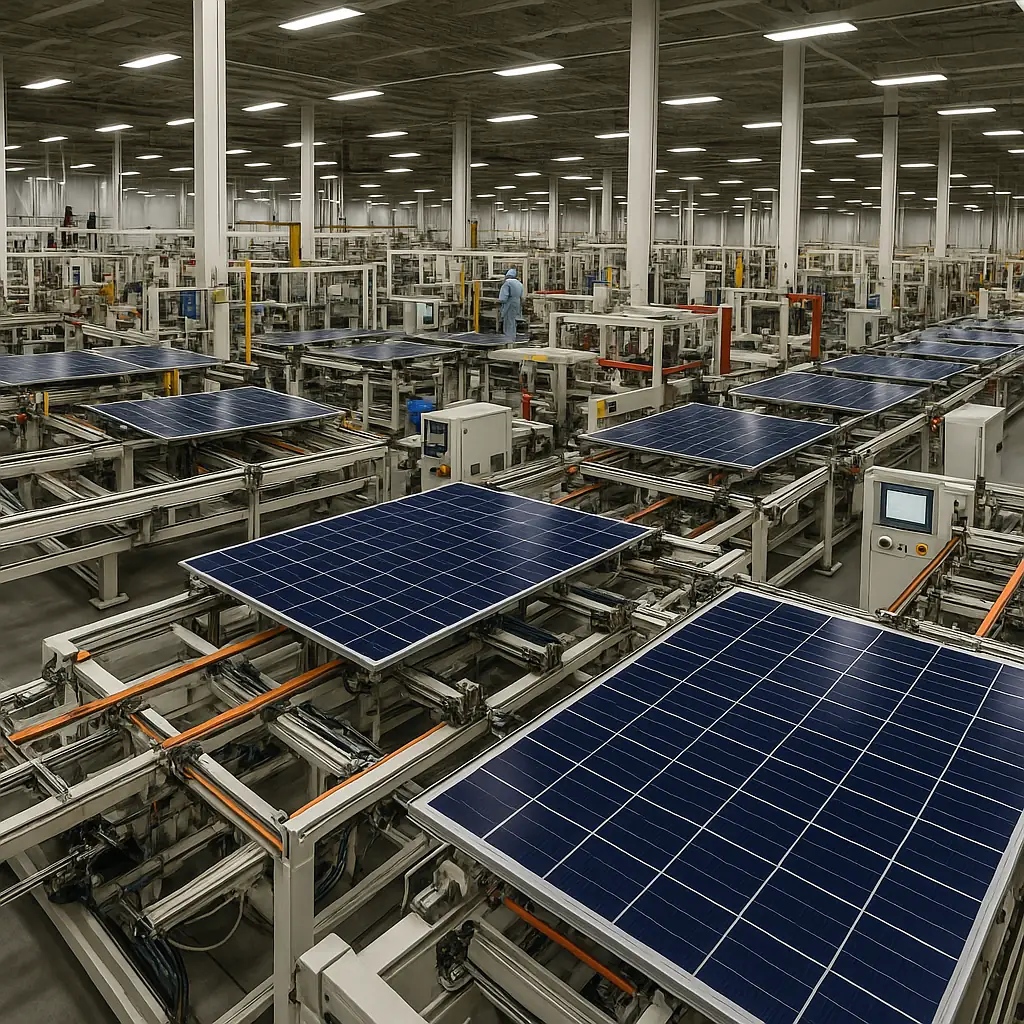
Across sectors, solar panel technology powers homes, businesses, and grids. With 235 GW installed, solar generates 6% of U.S. electricity, rivaling hydropower. The EU’s 750 GW target by 2030, backed by feed-in tariffs, boosts rooftop adoption 20%. Unlike wind, solar scales rapidly, though land use sparks debate. Solar panel applications include off-grid systems for remote areas. India’s 40 GW solar parks electrify rural communities.
Commercial buildings adopt solar for savings. Building-integrated photovoltaics (BIPV), like solar windows, merge design with function, unlike bulky silicon panels. In contrast, fossil fuel plants face stricter regulations. BIPV adoption has grown 15% annually since 2020. High costs, however, deter small firms. Solar energy advancements enable innovative applications. Commercial solar expands its reach.
Solar farms lead large-scale deployment, using bifacial panels for higher yields. Occupying 0.4% of U.S. land, farms risk habitats, but agrivoltaics boosts crop yields 10%. Unlike rooftop systems, farms face agricultural competition. California’s 13 GW farms power millions, yet 90% of panels remain unrecycled. In contrast, hydropower’s fixed sites limit growth. Solar panel applications transform energy grids.
Floating solar farms on reservoirs save land and enhance cooling. Unlike land-based farms, they boost efficiency 5–10%, though costs are 20% higher ($0.50/W). India’s $10B solar funding supports 3 GW of floating capacity. Aquatic disruptions, affecting 5% of ecosystems, require eco-friendly anchoring systems. Applications diversify solar’s impact. Policy-driven projects strengthen global adoption.

Future Trends in Solar Technology
Solar panel technology nears breakthroughs with perovskites, achieving 33.9% lab efficiency. Costing $0.20/W vs. silicon’s $0.30/W, perovskites degrade in 1–2 years, unlike silicon’s 25. Tandem cells, blending both, reach 32% efficiency, surpassing monocrystalline’s 25%. Future solar trends emphasize scalability. LONGi’s tandem cells target commercial use by 2030. These advances could reshape solar economics.
Transparent panels enable BIPV, with 10% efficiency for windows. Unlike silicon’s opacity, perovskites allow light transmission, though durability lags. Reinforcement learning algorithms predict output with 95% accuracy, while neural networks optimize panel angles, boosting yields 10%. In contrast, manual controls gain 5%. AI-driven farms cut losses 15% since 2020. Solar energy advancements power smart grids. AI’s energy demands, though, require scrutiny.
Floating farms, projected at 5 GW by 2030, conserve land but cost $0.50/W. Tellurium demand (100 tons/year) exceeds supply (50 tons), risking shortages. Tin-based perovskites offer a sustainable alternative. Only 10% of panels are recycled, risking 1.7 million tons of waste. Unlike wind’s 85% recycling, solar lags. Future solar trends demand greener materials. Research into sustainable designs accelerates.
The IEA’s $100B R&D call, vs. $20B current spending, and China’s $5B perovskite subsidies drive innovation. The EU’s 750 GW target by 2050 hinges on policy, unlike silicon’s mature market. Mineral scarcity and land use threaten growth. For example, agrivoltaics and floating farms need $50B globally. Policy and research will shape solar’s future. Sustainability remains the core challenge.

Leave a Reply