Introduction
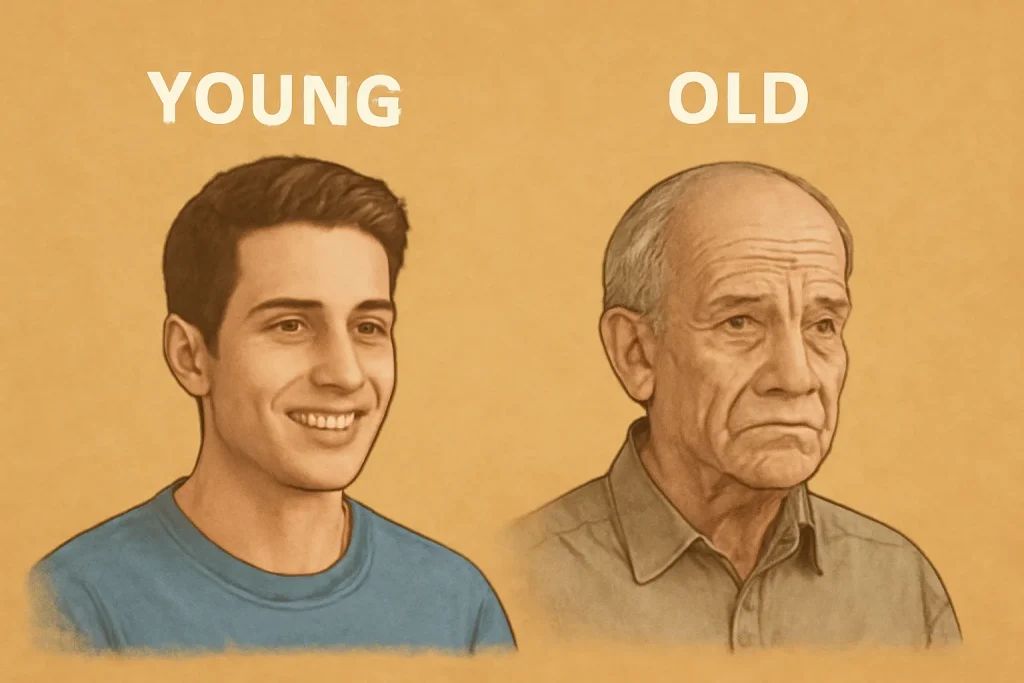
Aging transforms the body, bringing wrinkles, fatigue, and declining health over time. The biological aging process reflects a gradual loss of the body’s ability to repair itself. Driven by cellular and molecular changes, aging affects everyone through a mix of genetics and environment. Research into these changes reveals why humans age and how vitality might be extended. It’s striking how studies have decoded this universal phenomenon. The biological aging process offers clues to healthier, longer lives.
Challenges like cellular damage and lifestyle choices shape how aging unfolds. Advances in science, from gene therapies to lifestyle tweaks, show promise for slowing age-related decline. Yet ethical concerns and other hurdles persist. Exploring aging’s mechanisms, influences, theories, and research provides a clear picture of why humans age. This scientific journey highlights a future with less frailty.
Biological Mechanisms of Aging
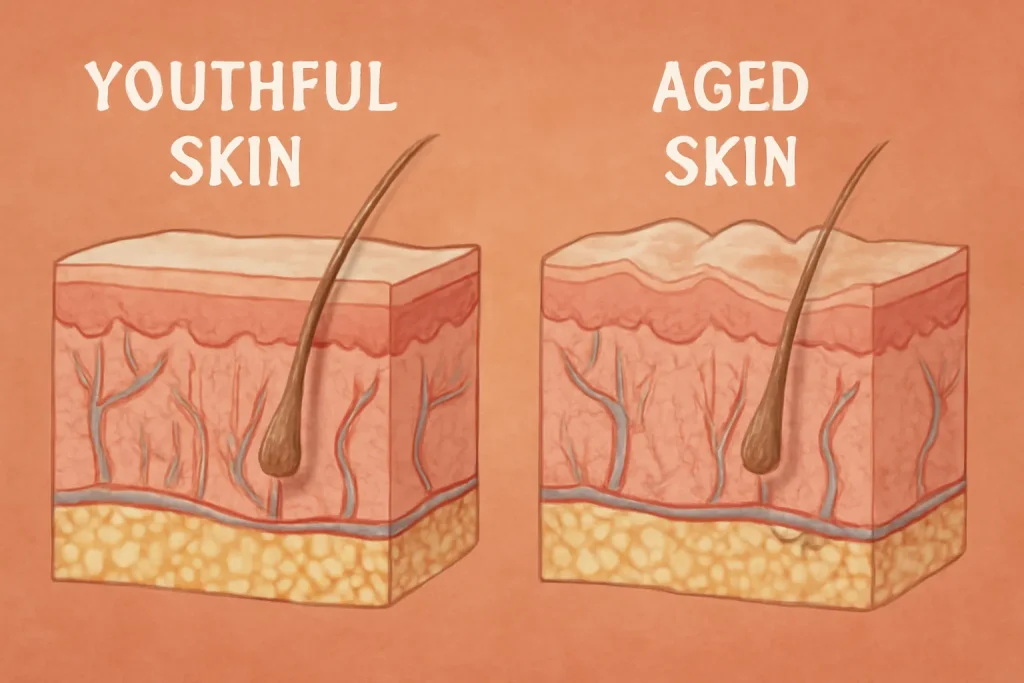
Aging hinges on cellular changes that build up over time. Telomere shortening, where chromosome caps erode during cell division, limits renewal. Studies show this causes tissue decline, like sagging skin or weaker organs. As telomeres degrade, cells struggle to function, driving aging signs. This process is central to the biological aging process.
Cellular senescence, where cells stop dividing but linger, also fuels aging. Research links these “zombie cells” to inflammation and diseases like arthritis, worsening decline. Senescent cells disrupt tissue repair, contributing to age-related issues. Their accumulation is a key factor in aging’s progression.
DNA damage, from natural processes or UV rays, further drives aging. Unrepaired damage impairs cell function, weakening systems. Genetic studies reveal repair mechanisms falter with age, compounding decline. These mechanisms together explain why the body slows down over time.
Environmental and Lifestyle Factors
Environment and lifestyle heavily influence aging. Diets high in processed foods increase inflammation, hastening decline, while nutrient-rich foods support cell repair. Studies show fruits and vegetables slow telomere shortening, a key aging marker. Healthy eating is a powerful tool for maintaining vitality. It’s remarkable how diet impacts cellular health.
Exercise strengthens muscles, boosts heart health, and aids DNA repair, per research. Sedentary lifestyles raise disease risk and speed up cellular decline. Regular activity counteracts aging effects, improving healthspan. The evidence underscores movement’s role in slowing the biological aging process.
Chronic stress floods the body with cortisol, damaging cells and accelerating senescence. Population studies link stress to earlier age-related conditions. Managing stress through mindfulness or connections mitigates these effects. Social support also reduces inflammation, supporting longer health.
Toxins like air pollution cause oxidative damage, speeding up aging. Research ties exposure to faster cellular decline and shorter lifespans. Reducing pollutant contact and healthy habits lessen this impact. Lifestyle choices clearly shape the biological aging process.

Theories of Aging
The programmed aging theory posits a genetic “clock” controls system decline. Studies on genes tied to telomere length suggest aging is partly prewired. This frames aging as an inevitable, built-in process. It’s fascinating how DNA might dictate decline’s pace. The biological aging process may follow this genetic blueprint.
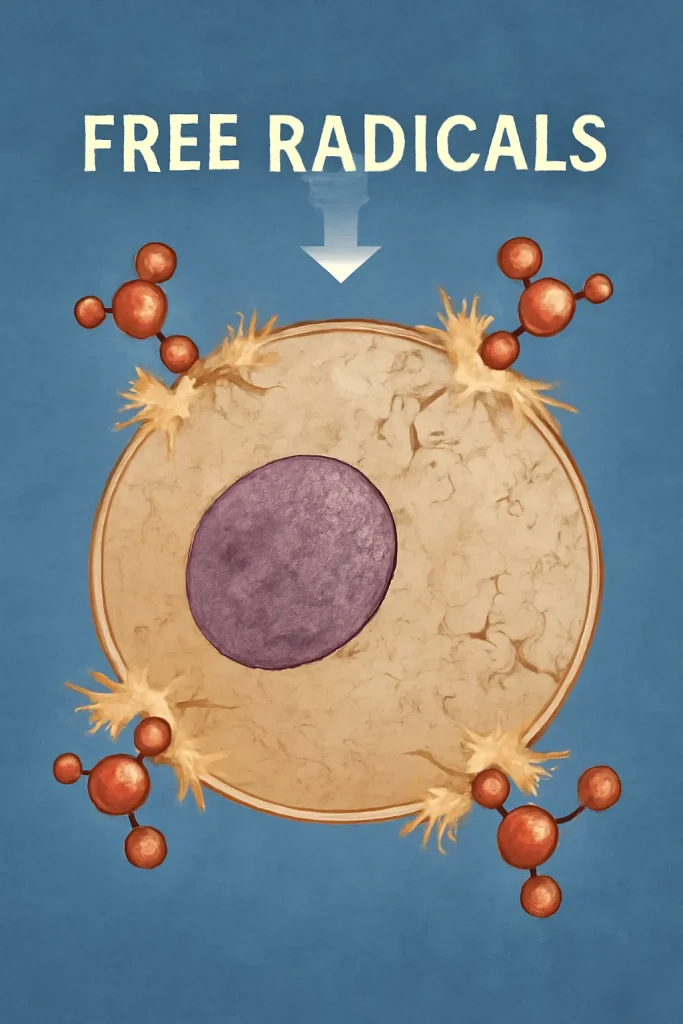
The damage accumulation theory claims aging results from wear and tear. Oxidative stress from free radicals damages cells, while protein misfolding adds chaos. Research on long-lived species shows robust repair systems slow damage. This theory views aging as a cumulative burden.
A blended view suggests aging involves both programmed limits and damage buildup. Cellular senescence may prevent cancer but also drives decline. Backed by research, these theories highlight aging’s complexity. No single idea fully captures its nuances.
Anti-Aging Research and Interventions
Anti-aging research is advancing ways to slow aging. Senolytics, drugs clearing senescent cells, reduce inflammation in animal trials. Human studies explore their potential to delay age-related diseases. This approach could reshape aging management. Early results fuel excitement in anti-aging research.
Caloric restriction, eating fewer calories with proper nutrition, extends animal lifespans. Human studies show it lowers inflammation and boosts metabolic health. The evidence suggests benefits for slowing aging markers. Long-term effects remain under study, but potential is evident.
Genetic therapies and drugs like rapamycin target aging pathways to improve repair. Clinical trials test these for conditions like heart disease, showing early promise. Anti-aging research is unlocking healthspan extension. These advances could redefine the biological aging process.
Challenges like safety, cost, and regulatory hurdles persist. Agencies like the FDA demand rigorous evidence, slowing progress. Yet anti-aging research moves forward rapidly. Healthier, longer lives are increasingly within reach, driven by science.
Leave a Reply