Introduction
Cinnamon, a fragrant spice cherished worldwide, has flavored dishes and warmed hearts for millennia. Derived from the bark of trees in the Cinnamomum genus, it’s a staple in kitchens and a treasure in traditional medicine. Specifically, cinnamon comes in two main types: Ceylon cinnamon, often called “true cinnamon,” and Cassia cinnamon, the more common variety. For example, Ceylon cinnamon is native to Sri Lanka, while Cassia originates from China. The spice’s warm, sweet aroma comes from cinnamaldehyde, a compound in its essential oil. Additionally, cinnamon boasts health benefits, from blood sugar control to anti-inflammatory effects. Its history stretches back to ancient Egypt, where it was prized as a luxury. Today, cinnamon remains a global favorite. This article explores cinnamon’s traits, recent discoveries, and harvesting methods. Furthermore, it delves into its historical journey and cultural impact. Let’s uncover the story of this timeless spice.
Physical Characteristics of Cinnamon
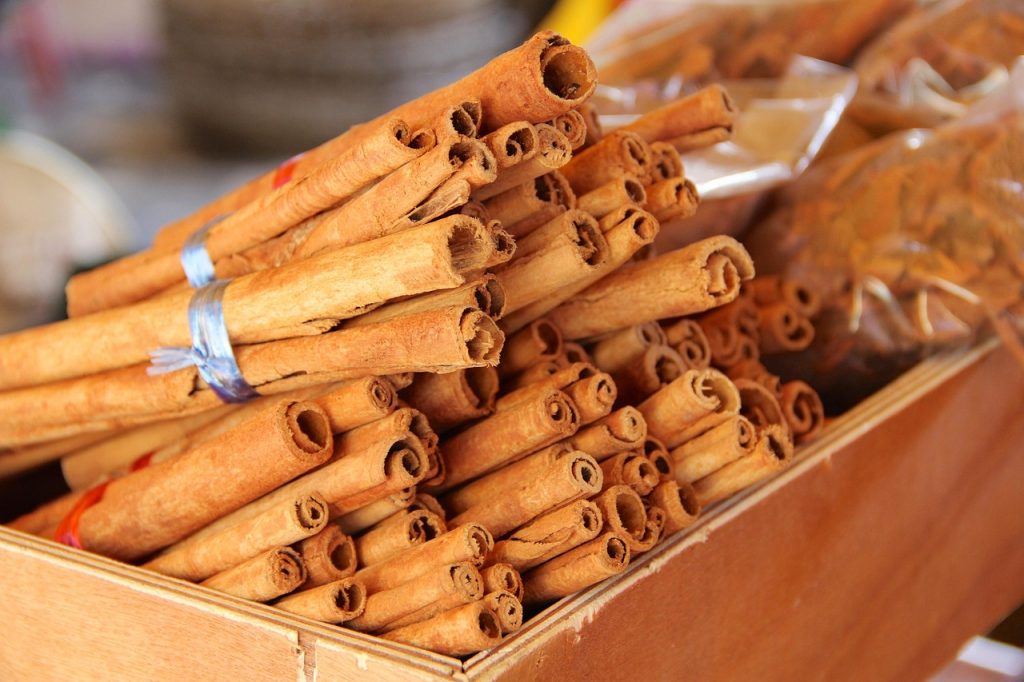
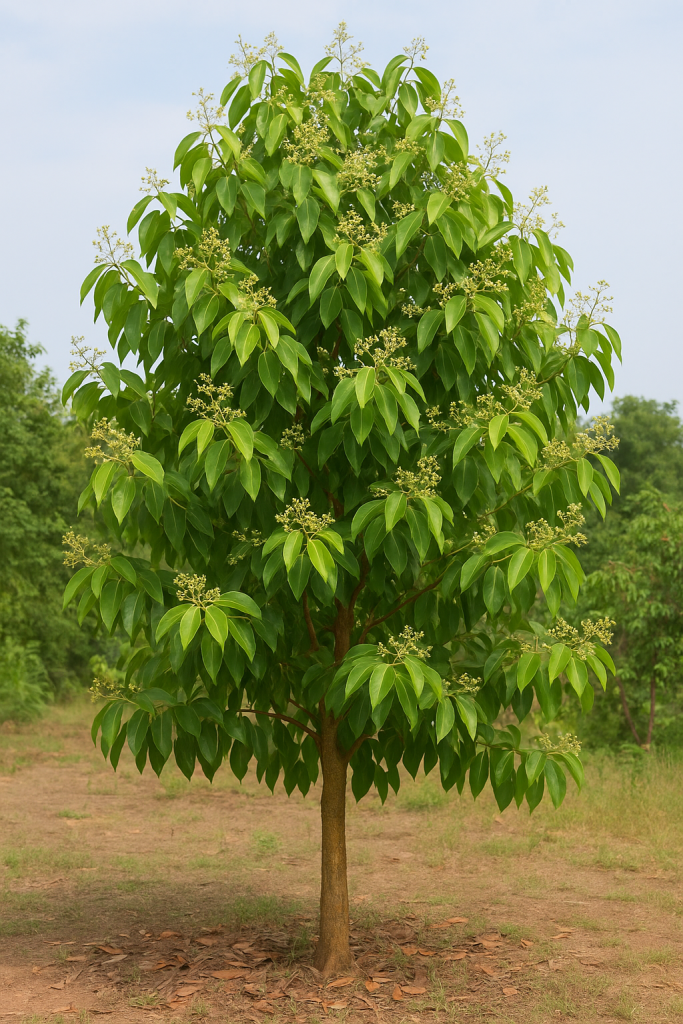
Cinnamon trees belong to the Lauraceae family and are evergreen, thriving in tropical climates. Specifically, they grow to heights of 5 to 15 meters (16 to 50 feet). The Cinnamomum verum tree, which produces Ceylon cinnamon, is native to Sri Lanka. Meanwhile, Cinnamomum cassia, or Cassia cinnamon, grows in southern China. The trees have glossy, oval-shaped leaves, about 7 to 18 cm (3 to 7 inches) long. For instance, the leaves of a cinnamon tree emit a spicy aroma when crushed. The bark, the source of the spice, is thin and papery in Ceylon cinnamon, with a light brown hue. In contrast, Cassia cinnamon’s bark is thicker and darker, often reddish-brown. Additionally, the trees produce small, white-to-yellow flowers in clusters. These flowers give way to purple, single-seeded berries, about 1 cm (0.5 inches) wide. Cinnamon thrives in warm, humid conditions, preferring temperatures between 20 to 30°C (68 to 86°F). Therefore, regions like Sri Lanka, India, and Southeast Asia are ideal for its growth.
Recent Discoveries About Cinnamon
Recent research has deepened our understanding of cinnamon’s properties. For example, studies highlight its role in managing blood sugar. A 2023 meta-analysis found that cinnamon can reduce fasting blood glucose by 10 to 29% in people with type 2 diabetes. This effect stems from compounds like cinnamaldehyde, which mimic insulin’s action. Additionally, cinnamon’s antioxidant properties are gaining attention. It contains polyphenols that combat oxidative stress, potentially lowering inflammation. Another discovery involves its antimicrobial effects. Scientists found that cinnamon oil can inhibit the growth of bacteria like E. coli and fungi like Candida. Moreover, a 2024 study revealed cinnamon’s potential in brain health. It may reduce the buildup of tau proteins, linked to Alzheimer’s disease, thanks to compounds like epicatechin. However, not all cinnamon is equal. Ceylon cinnamon has lower levels of coumarin, a compound that can harm the liver in high doses, compared to Cassia. These findings underscore cinnamon’s value. Yet, they also highlight the need for moderation.
Harvesting Methods of Cinnamon
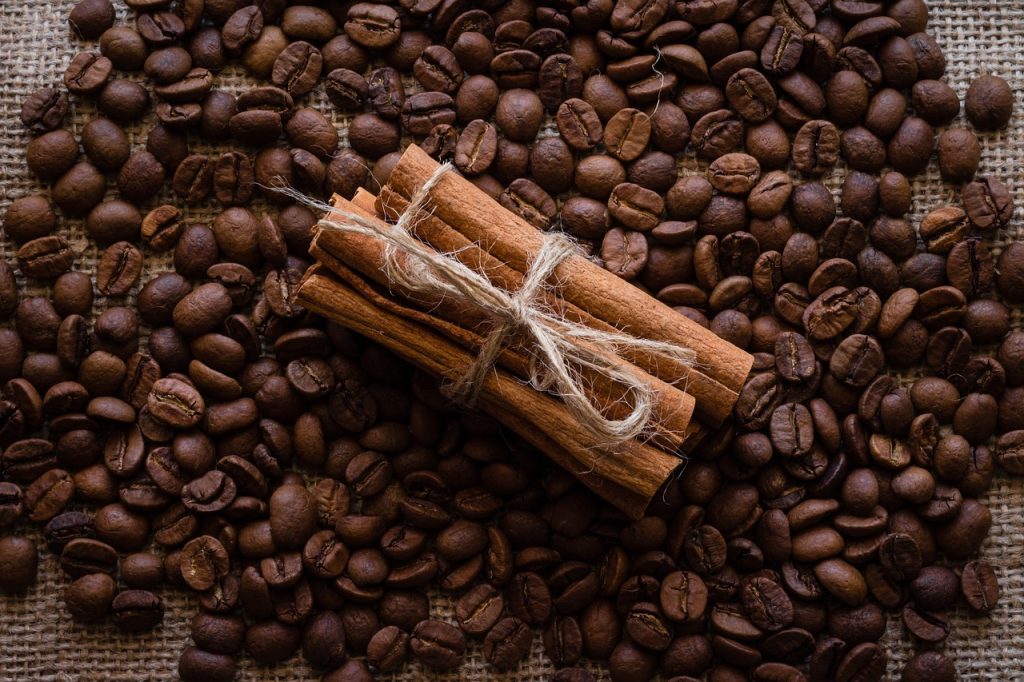
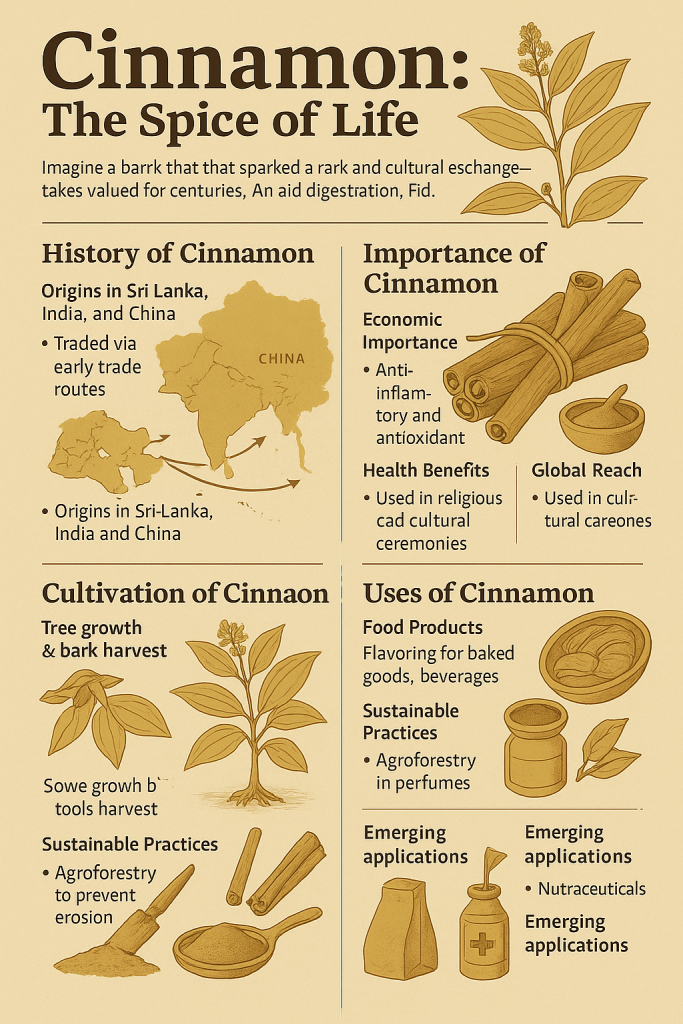
Harvesting cinnamon is a labor-intensive process, rooted in tradition. Specifically, cinnamon trees are grown for about two years before the first harvest. Farmers cut the tree close to the ground, encouraging new shoots to grow from the stump. For example, in Sri Lanka, these shoots are harvested after a year of growth. The outer bark is scraped off, revealing the inner bark, which is the spice itself. This inner bark is carefully peeled in thin strips. Meanwhile, in Vietnam, where C. loureiroi (Vietnamese cinnamon) is grown, the process is similar. The peeled bark is immediately dried in the shade. As it dries, the bark naturally curls into rolls, known as cinnamon sticks. Additionally, for Cassia cinnamon, the thicker bark is often harvested from older trees, up to 20 meters tall. The dried bark is then cut into smaller pieces for sale. Harvesting occurs every two years, ensuring sustainability. Therefore, the process preserves both the tree and the quality of the spice.
Cinnamon and Its Historical Journey
Cinnamon’s history spans over 4,000 years, beginning in ancient Egypt. Specifically, records from 2000 BCE show it was used in embalming and as a luxury gift. It was so valuable that its worth rivaled gold. For instance, in the Middle Ages, Europeans saw cinnamon as a status symbol, imported from the East at great cost. The spice traveled along the Silk Road, with Arab traders weaving tales of its mythical origins to inflate prices. Additionally, during the Age of Exploration, European powers like Portugal and the Netherlands fought to control Sri Lanka’s cinnamon trade. By the 18th century, the Dutch established plantations, formalizing cultivation. Cinnamon also held cultural significance. In ancient Rome, it was burned in funeral pyres as a sign of respect. Moreover, in traditional Chinese medicine, it was used to treat colds and digestive issues. Today, Sri Lanka remains the top producer of Ceylon cinnamon, supplying 80 to 90% of the global market. Cinnamon’s journey reflects its enduring allure.
Leave a Reply