Introduction
Earth, our home planet, has a history spanning 4.6 billion years, filled with dramatic transformations. It began as a molten ball of rock and evolved into a vibrant world teeming with life. Located in the habitable zone of the solar system, Earth is the only known planet to support life as we understand it. For example, its distance from the Sun—about 149.6 million kilometers (93 million miles)—allows for liquid water, a key ingredient for life. Over billions of years, Earth underwent processes like volcanic eruptions, tectonic shifts, and atmospheric changes that shaped its surface and climate. Scientists have pieced together this story using evidence from ancient rocks, fossils, and modern technology. As of 2025, researchers continue to uncover new details about Earth’s formation and evolution through missions like those studying meteorites and planetary cores. This article explores Earth’s journey from its fiery beginnings to its current state. Let’s dive into the story of our planet’s remarkable history.
The Early Formation of Our Planet
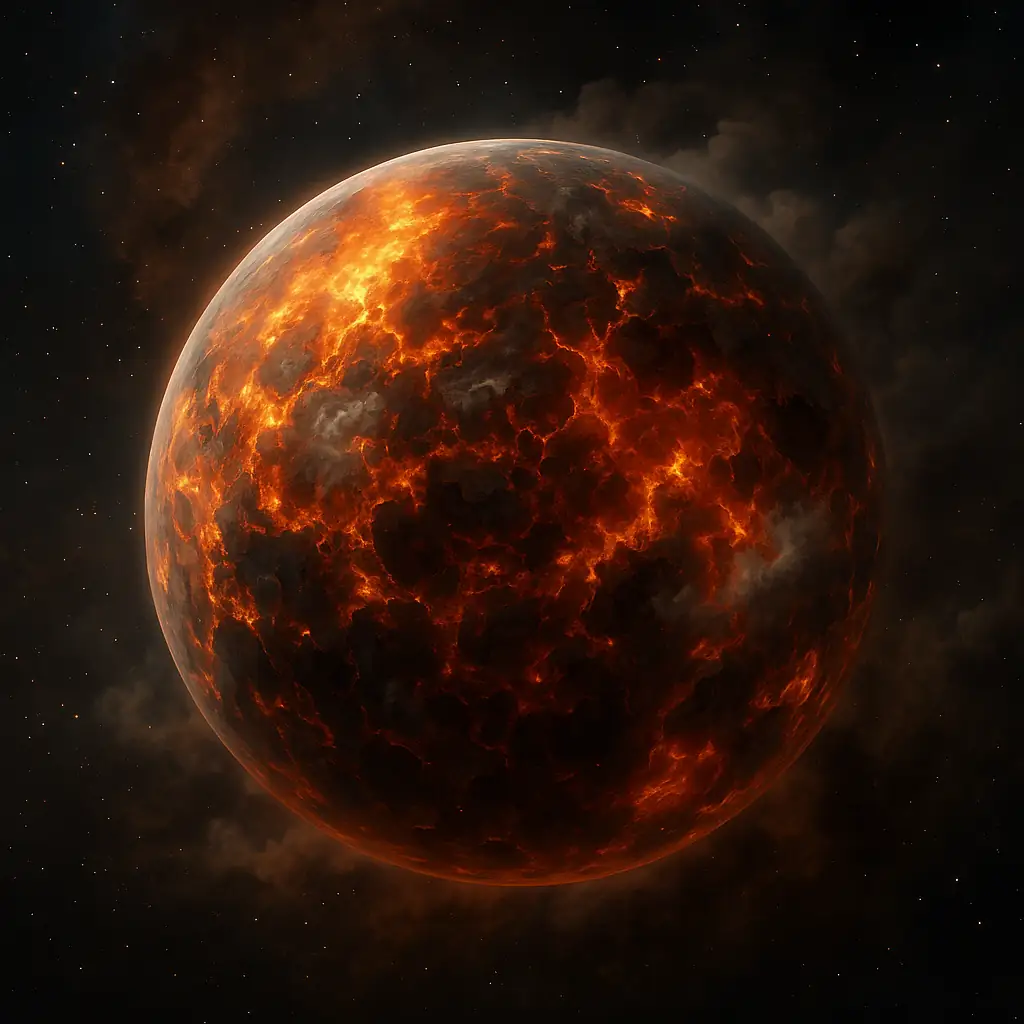
Earth formed about 4.54 billion years ago through a process called accretion. Dust and gas in the early solar system clumped together, forming planetesimals—small rocky bodies that collided and merged. Over millions of years, these collisions created a proto-Earth, a molten sphere bombarded by meteorites. For instance, the Moon likely formed around this time, roughly 4.5 billion years ago, when a Mars-sized object named Theia struck Earth, ejecting debris that eventually coalesced into our natural satellite. This period, known as the Hadean Eon, saw Earth’s surface as a hellish landscape of lava oceans and constant impacts. Gradually, Earth cooled, and a thin crust began to form. Radioactive decay in Earth’s core generated heat, driving volcanic activity that released gases like water vapor, carbon dioxide, and nitrogen. These gases formed the planet’s first atmosphere, though it lacked oxygen. By 4.4 billion years ago, evidence from zircon crystals in Australia suggests that Earth had cooled enough for liquid water to exist. Therefore, the early formation of Earth set the stage for its future development.
Shaping Continents and Oceans
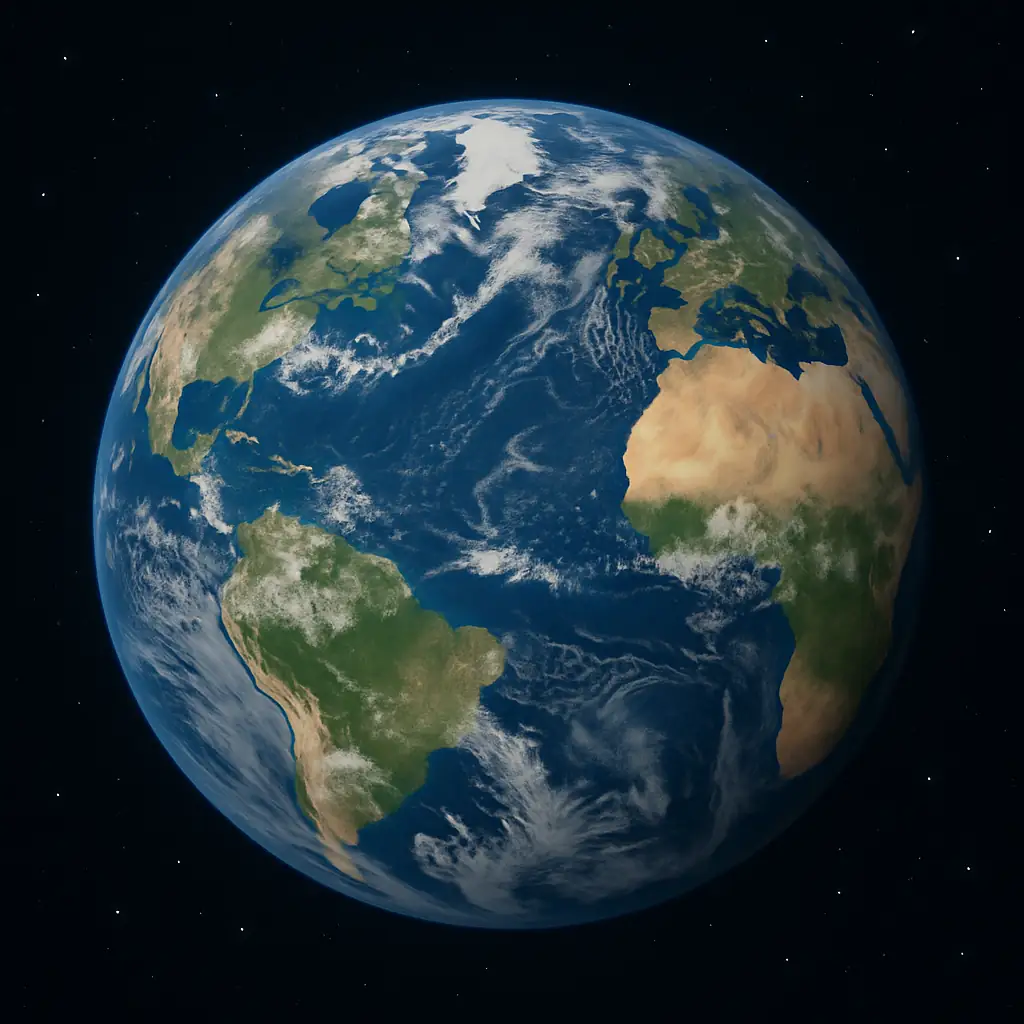
As Earth continued to cool, its surface underwent significant changes, leading to the formation of continents and oceans. Around 4 billion years ago, the crust solidified into a patchwork of tectonic plates. These plates, floating on the semi-fluid mantle beneath, began to move, driven by convection currents in Earth’s interior. For example, volcanic activity at plate boundaries released molten rock, which cooled to form the first continents, such as the ancient cratons found in Greenland and Australia today. Simultaneously, water vapor in the atmosphere condensed and fell as rain, filling Earth’s low-lying basins to create the first oceans. By 3.8 billion years ago, Earth’s oceans covered much of its surface, with an estimated 70% of the planet submerged, similar to today. The interaction between tectonic plates and the water cycle sculpted Earth’s landscape, forming mountains, valleys, and deep ocean trenches. Additionally, the atmosphere evolved, with volcanic gases contributing to a greenhouse effect that kept Earth warm. Thus, this period marked the birth of Earth’s defining features—its continents and oceans.
The Emergence of Life on Earth
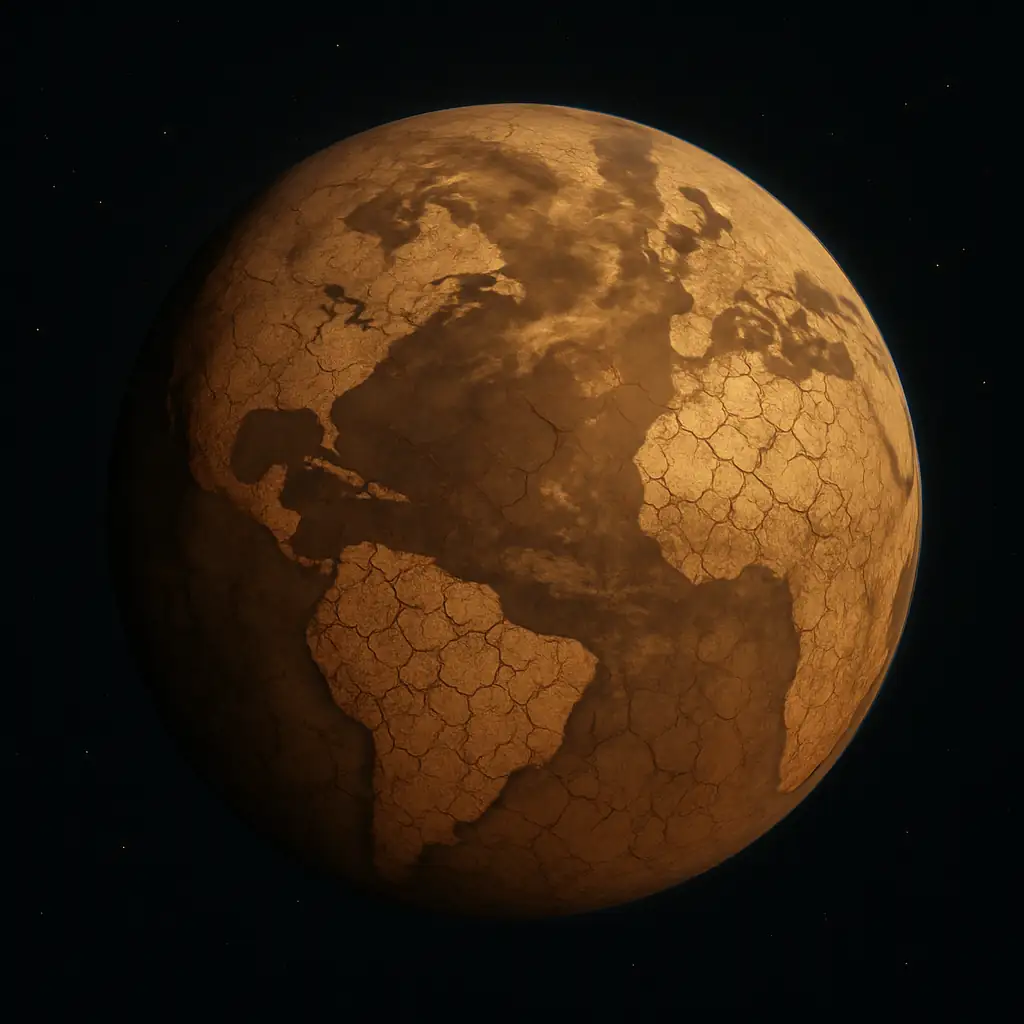
Life on Earth likely began around 3.8 billion years ago, though the exact process remains a mystery. Scientists hypothesize that simple organic molecules formed in the oceans, possibly near hydrothermal vents on the seafloor where hot, mineral-rich water provided energy. For instance, a 2023 study in Nature Geoscience found evidence of microbial life in 3.7-billion-year-old rocks from Greenland, suggesting that life emerged relatively quickly after Earth’s oceans formed. These early microbes, likely similar to modern archaea, thrived in Earth’s oxygen-free environment, using chemicals like methane for energy. Over time, photosynthetic bacteria evolved, producing oxygen as a byproduct. By 2.4 billion years ago, during the Great Oxidation Event, oxygen levels in Earth’s atmosphere rose dramatically, paving the way for more complex life forms. Fossils from 1.2 billion years ago show evidence of multicellular organisms, such as algae. Eventually, Earth saw the rise of animals during the Cambrian Explosion, about 540 million years ago, when diverse species filled the oceans. Therefore, the emergence of life transformed Earth into a biologically active planet.
Earth’s Evolution Through Time
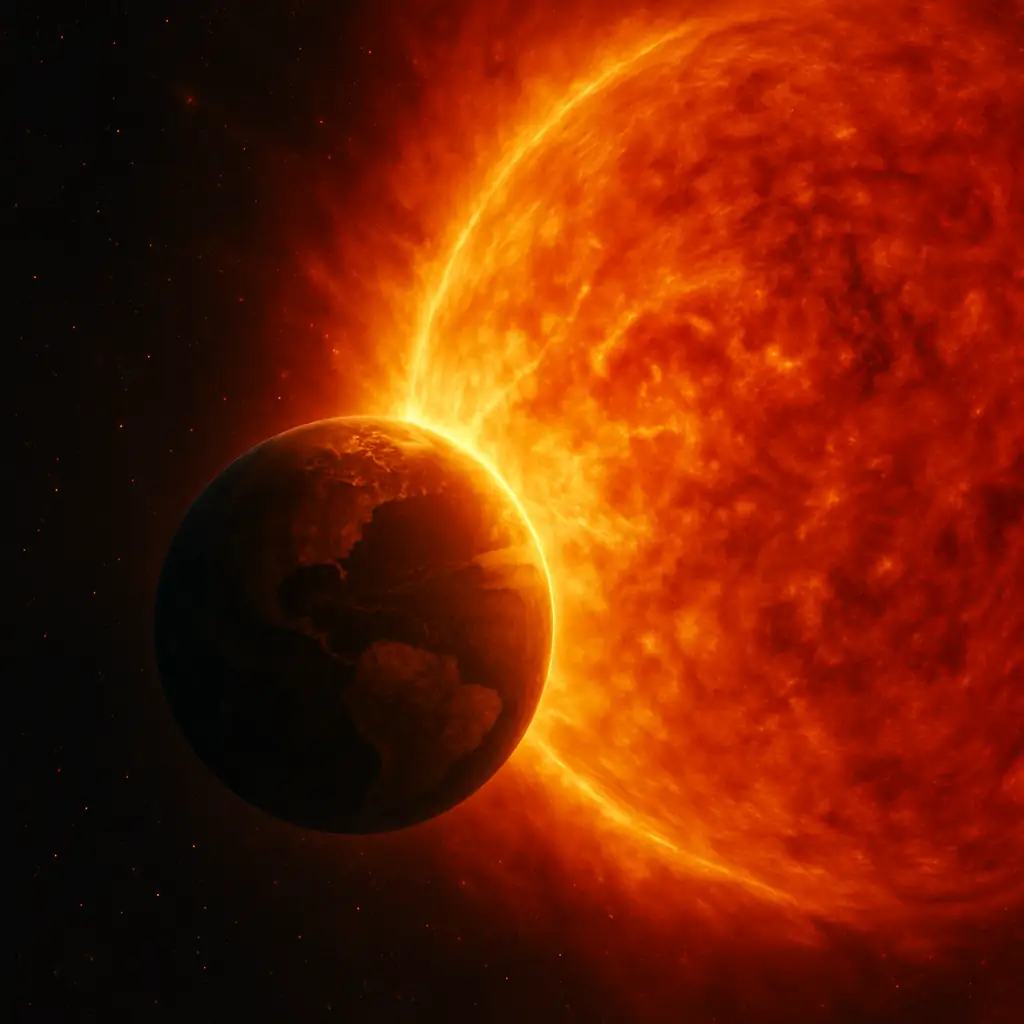
Earth’s evolution continued as tectonic, climatic, and biological processes shaped its history. The movement of tectonic plates led to the formation of supercontinents like Rodinia (1.1 billion years ago) and Pangaea (300 million years ago), which later broke apart, creating the continents we know today. For example, the collision of plates formed mountain ranges like the Himalayas, which began rising 50 million years ago when the Indian plate collided with the Eurasian plate. Earth’s climate also fluctuated dramatically, with ice ages cooling the planet and warm periods fostering biodiversity. The Cryogenian period, around 720 million years ago, saw Earth nearly freeze over in a “Snowball Earth” event, yet life persisted in the oceans. Additionally, mass extinctions, like the one 66 million years ago that wiped out the dinosaurs after a meteor impact, reshaped Earth’s ecosystems. Modern humans appeared only about 300,000 years ago, a mere blink in Earth’s timeline. As of 2025, human activity, including industrialization, has significantly altered Earth’s climate, raising global temperatures by 1.2°C since pre-industrial levels. Thus, Earth’s evolution reflects a dynamic interplay of natural forces and life.

Leave a Reply