Introduction
The woolly mammoth, a majestic giant of the Ice Age, evokes awe as a symbol of a lost world. Could mammoth revival unlock a path to heal Earth’s ecosystems? These colossal creatures, extinct for millennia, are now at the forefront of cutting-edge science aiming to restore ancient landscapes and combat climate change. Mammoth extinction tells a somber tale of environmental shifts and human impact, yet advances in mammoth genetic engineering offer hope for their return. As of April 2025, projects like Colossal Biosciences are pushing the boundaries of possibility, raising questions about the mammoth environmental benefits and their role in shaping a sustainable future. This article explores the history of mammoths, their extinction, revival efforts, mammoths and climate change, and the ethical dilemmas of bringing them back, inviting readers on a journey through time.
History and Extinction
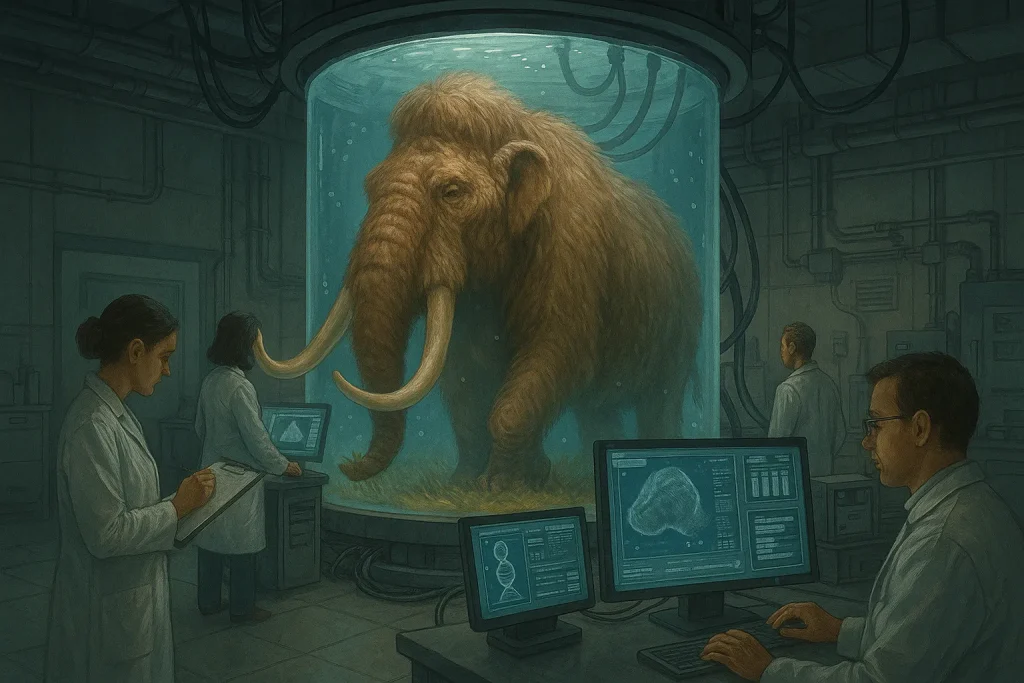
Woolly mammoths (Mammuthus primigenius) roamed Earth from about 800,000 years ago, thriving across Eurasia and North America until the late Pleistocene. With thick fur, long tusks, and massive bodies, they were ecosystem engineers, maintaining the “mammoth steppe” through grazing and movement. Why did mammoth extinction occur? Research points to a combination of climate change and human activity. As the Ice Age ended around 12,000 years ago, warming temperatures shrank the grasslands mammoths depended on, replacing them with forests and wetlands.
Fossil evidence from Wrangel Island, analyzed in 2024, shows small mammoth populations survived until around 1650 BCE, but low genetic diversity and isolation doomed them. While early theories blamed overhunting, recent studies in Science emphasize vegetation shifts and climate as primary drivers, with human hunting as a secondary factor. Mammoth extinction disrupted Arctic ecosystems, reducing biodiversity and altering landscapes. The woolly mammoth, more than a species, was a keystone of its environment, and its loss left a void that scientists now aim to fill through mammoth revival.
Revival Efforts
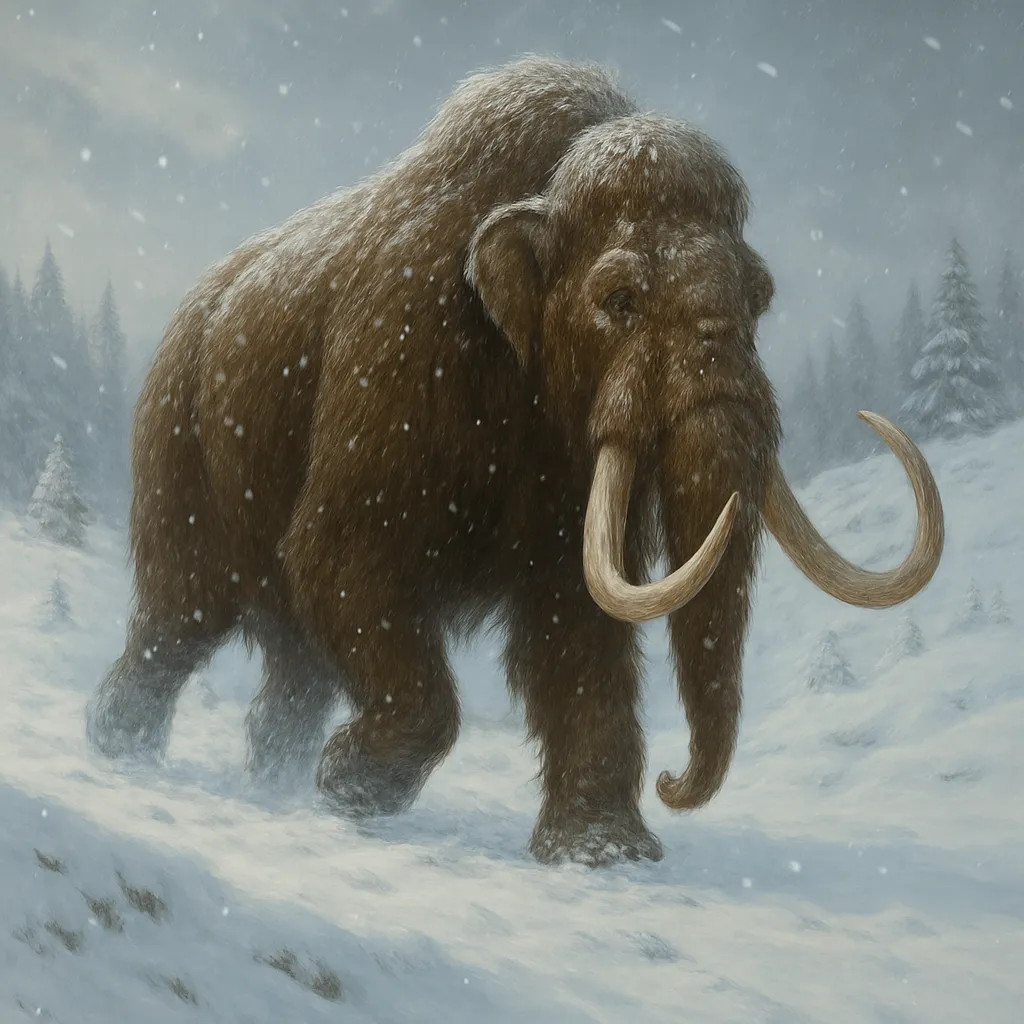
Mammoth revival is among the most ambitious scientific endeavors of the 21st century. Companies like Colossal Biosciences, led by George Church and Ben Lamm, are using CRISPR gene-editing to create mammoth-elephant hybrids. Rather than cloning a pure mammoth, they insert key mammoth genes—such as those for thick fur, cold-resistant fat, and smaller ears—into the Asian elephant genome, which shares 99% of its DNA with mammoths. By 2028, Colossal aims to produce a calf, with plans to reintroduce herds to the Arctic.
The process involves extracting DNA from well-preserved mammoth remains, sequencing it, and editing elephant cells. In 2024, Colossal reported success in reprogramming elephant stem cells, a critical step. Mammoth genetic engineering also explores traits like hemoglobin adaptations for cold climates. For example, Harvard’s 2025 trials showed edited cells surviving subzero temperatures. Mammoth revival could restore ecological roles, but scaling populations remains complex, requiring artificial wombs or surrogate elephants. These efforts, fueled by $200 million in funding, highlight the potential of mammoths and climate change mitigation, though success is not guaranteed.
Environmental Benefits
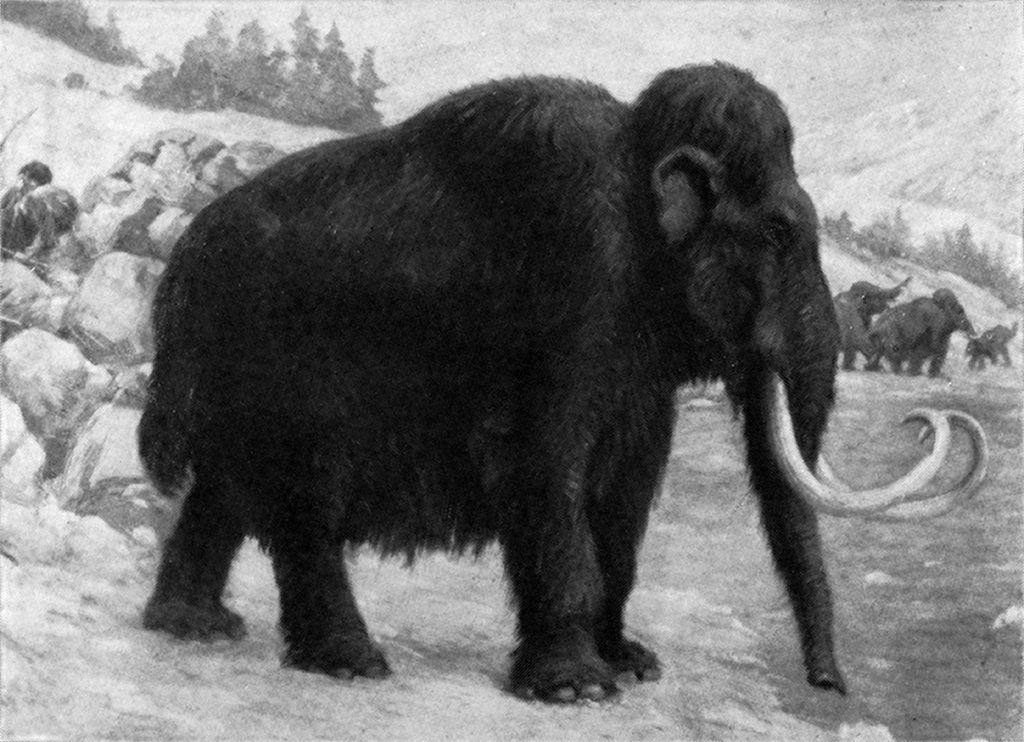
Why pursue mammoth revival? The mammoth environmental benefits lie in their ability to restore Arctic ecosystems and combat climate change. Woolly mammoths shaped the mammoth steppe, a grassland that supported diverse species and sequestered carbon in deep soils. Their extinction led to shrub-dominated landscapes, reducing carbon storage. Reintroducing mammoths could revive these grasslands, enhancing biodiversity and stabilizing permafrost.
Permafrost, covering 24% of the Northern Hemisphere, holds 1.7 trillion tons of carbon. Thawing releases methane, accelerating warming. Mammoths, by trampling snow and grazing, expose soils to cold air, slowing thaw. A 2024 study in Nature estimated that mammoth-like grazing could reduce permafrost emissions by 20% in key regions. Mammoths and climate change are thus intertwined, as their return could also compact soils, boosting carbon sequestration. For instance, Pleistocene Park in Siberia, a testbed for mammoth revival, shows bison and reindeer already improving soil stability. Mammoth environmental benefits extend to fostering resilient ecosystems, making them a beacon of hope for climate solutions.
Challenges and Ethical Concerns
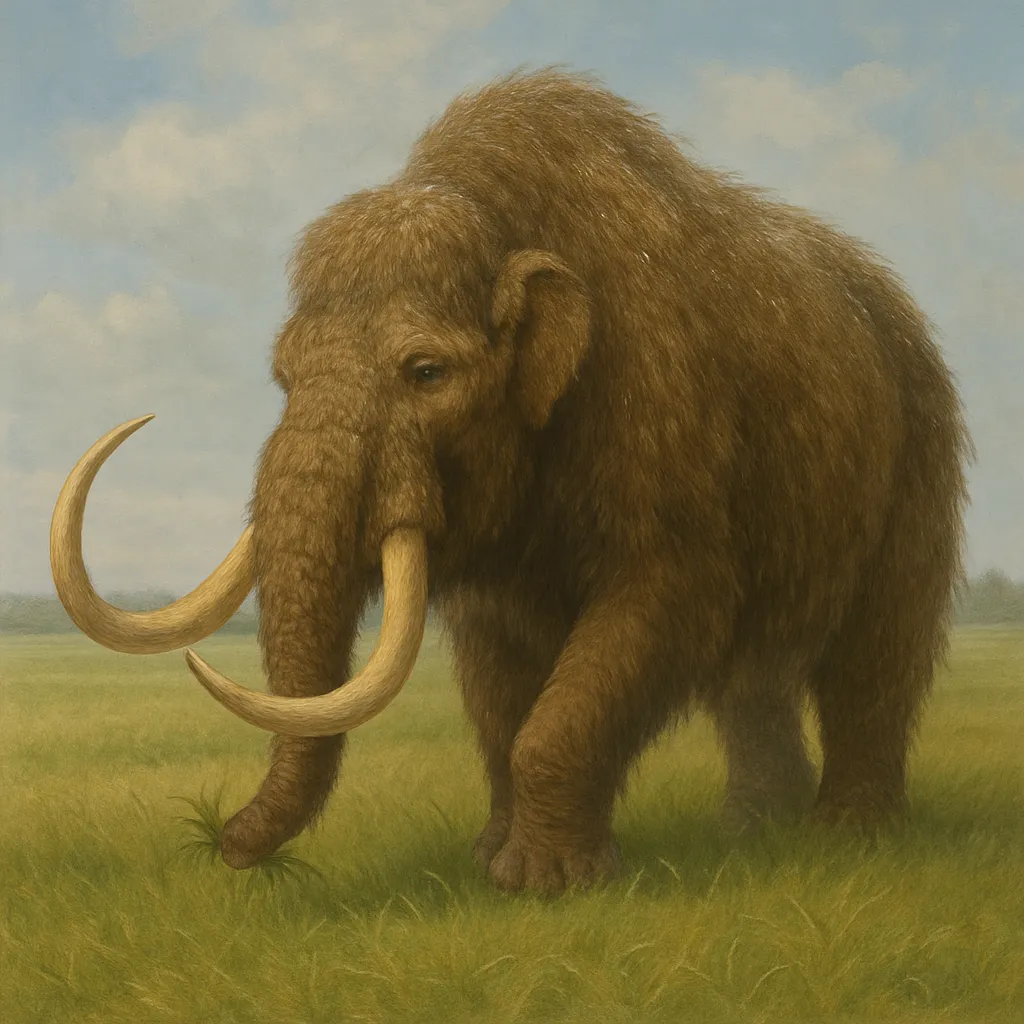
Mammoth revival faces significant hurdles. Technologically, creating viable hybrids is daunting. CRISPR edits must ensure health, fertility, and cold adaptation, yet 2025 trials reveal risks of genetic errors. Scaling populations requires vast resources—Colossal estimates $10 billion for stable herds by 2050. Ecologically, reintroducing mammoths could disrupt modern Arctic ecosystems, outcompeting native species like reindeer. A Science.org report warns of unintended consequences, such as altered plant communities.
Ethically, mammoth genetic engineering raises questions. Is it right to create hybrids for human goals? Animal welfare concerns loom, as engineered calves may face health issues or unnatural lives. Critics, including a 2024 X poll with 60% opposition, argue revival prioritizes spectacle over nature. Legal barriers also exist—regulating genetically modified organisms in the Arctic is uncharted territory. Despite these challenges, proponents argue mammoth environmental benefits outweigh risks, provided rigorous oversight ensures ecological and ethical balance.

Leave a Reply