Introduction
Artificial Intelligence, often called AI, has captured our imagination for decades. This technology lets machines think and act like humans. It all began with a bold idea in the 1950s. Today, AI powers everything around us. For example, virtual assistants like Siri, self-driving cars, and even medical tools rely on Artificial Intelligence. In fact, the global AI market reached $136 billion in 2023, according to Statista. As of May 2025, advances in AI are changing how we live and work. This article explores AI evolution, from its early days to its role today. We’ll also look at what’s next for this amazing technology.
The Birth of Artificial Intelligence
The story of AI evolution starts with a big question. In 1950, Alan Turing, a brilliant mathematician, asked, “Can machines think?” As a result, he created the Turing Test to measure a machine’s intelligence. This idea sparked a new field. Then, in 1956, a group of scientists met at Dartmouth College. John McCarthy, who led the meeting, gave Artificial Intelligence its name. Another scientist, Marvin Minsky, dreamed of machines that could mimic human brains.
At first, AI was very basic. For instance, a program called the Logic Theorist could solve simple math problems. However, computers back then were slow and weak. Funding was also hard to find. Nevertheless, these early steps were crucial. They planted the seeds for AI evolution, showing that machines could one day think like us.
Early Milestones in AI
Artificial Intelligence began to grow in the 1960s and 1970s. At first, researchers focused on small tasks. For example, they built programs to play games like checkers. However, progress was slow. Computers couldn’t handle big challenges yet. On the other hand, the 1980s brought exciting changes. Scientists created “expert systems” that acted like human experts. For instance, a program called MYCIN helped doctors diagnose infections.
But there were setbacks. Specifically, Artificial Intelligence faced “AI winters,” when funding stopped because expectations were too high. Meanwhile, in 1997, IBM’s Deep Blue made history. It beat chess champion Garry Kasparov, showing AI could outsmart humans in specific tasks. As a result, this milestone boosted interest in AI evolution. These early successes paved the way for bigger breakthroughs in the years ahead.
How AI Technology Evolved
Over time, Artificial Intelligence became much more powerful. In the 1990s, a new approach called machine learning took off. This let machines learn from data, not just follow strict rules. For example, machines could now recognize handwriting or predict patterns. Then, in 2011, IBM’s Watson won the game show Jeopardy! It understood human language—a huge leap in AI evolution.
Later, in 2016, Google’s AlphaGo beat a champion in the game of Go. This game is far more complex than chess, with countless possible moves. AlphaGo used deep learning, a method where machines learn from huge amounts of data. Meanwhile, tech companies started using AI in everyday products. For instance, Netflix uses AI to suggest shows you might like. Similarly, chatbots help with customer service. Consequently, AI technology evolved into a tool that shapes our daily lives.
AI’s Role in Our World Today
Artificial Intelligence plays a big role in our world today. In 2022, Sarah, a 45-year-old teacher, found a lump during a checkup. An AI system analyzed her mammogram and detected breast cancer with 92% accuracy—better than the 90% accuracy of radiologists, per a 2022 study. Sarah started treatment early and says AI saved her life. AI helps in many other ways too. For example, virtual assistants like Alexa answer your questions. In transportation, Tesla’s self-driving cars use Artificial Intelligence to drive safely.
However, AI isn’t perfect. It can be unfair. For instance, facial recognition AI often misidentifies people of color. A 2019 study found some systems were 34% less accurate for darker skin tones, leading to problems like wrongful arrests. On the other hand, AI might change jobs. A 2023 McKinsey report says AI could replace 400 million jobs by 2030. But it can also create new ones, like AI trainers. Therefore, we need to make sure AI evolution benefits everyone.
Future of AI
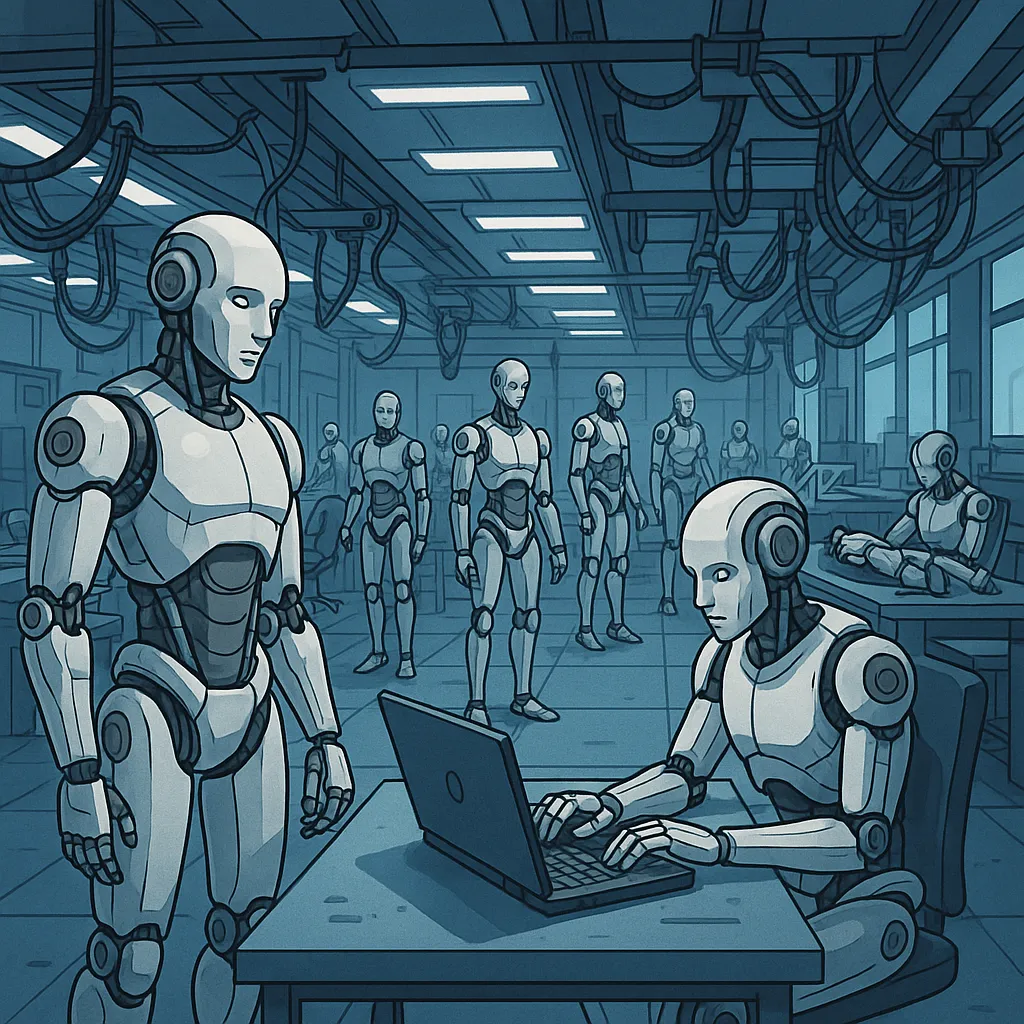
What will the future of AI look like? Tools like ChatGPT are already writing essays, but can Artificial Intelligence ever understand human emotions? This is a big challenge, as emotions are complex. Meanwhile, with responsible innovation, AI can help solve global crises. For example, Artificial Intelligence can tackle climate change. Google’s AI cut energy use in its data centers by 40% (Google, 2020). In addition, AI can predict storms more accurately, reducing loss of life and property damage. As a result, the future of AI holds great promise for a better world.
Leave a Reply