Introduction
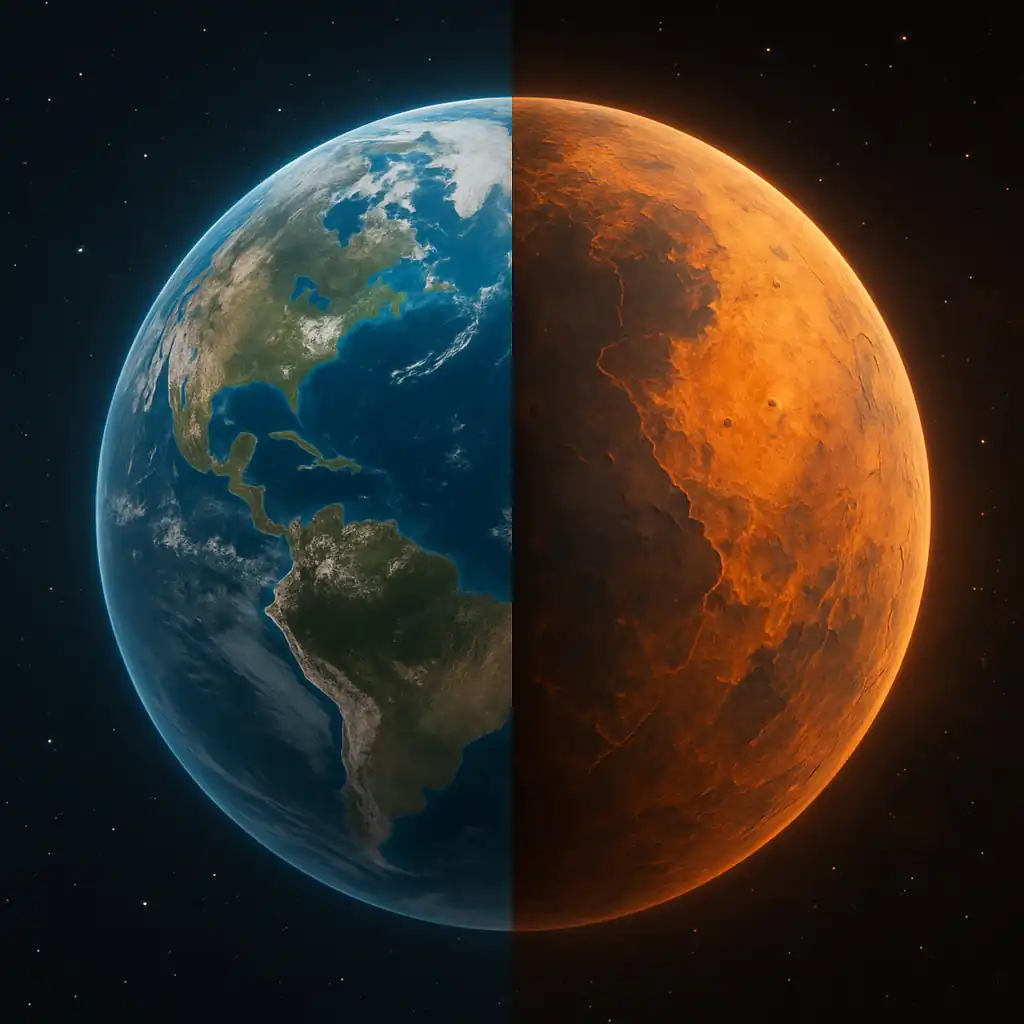
The concept of alternate realities has intrigued scientists and storytellers for decades. Could there be other worlds where different choices lead to alternate outcomes? Often called the multiverse, parallel universes propose that our reality might not be the only one, challenging our understanding of existence. From physics to philosophy, this idea sparks debates about reality, free will, and the cosmos. As of May 2025, researchers are still exploring whether these dimensions are a scientific fact or just a compelling theory. This article delves into the science, theories, and cultural impact of this concept, examining if other realities could truly exist beyond our imagination.
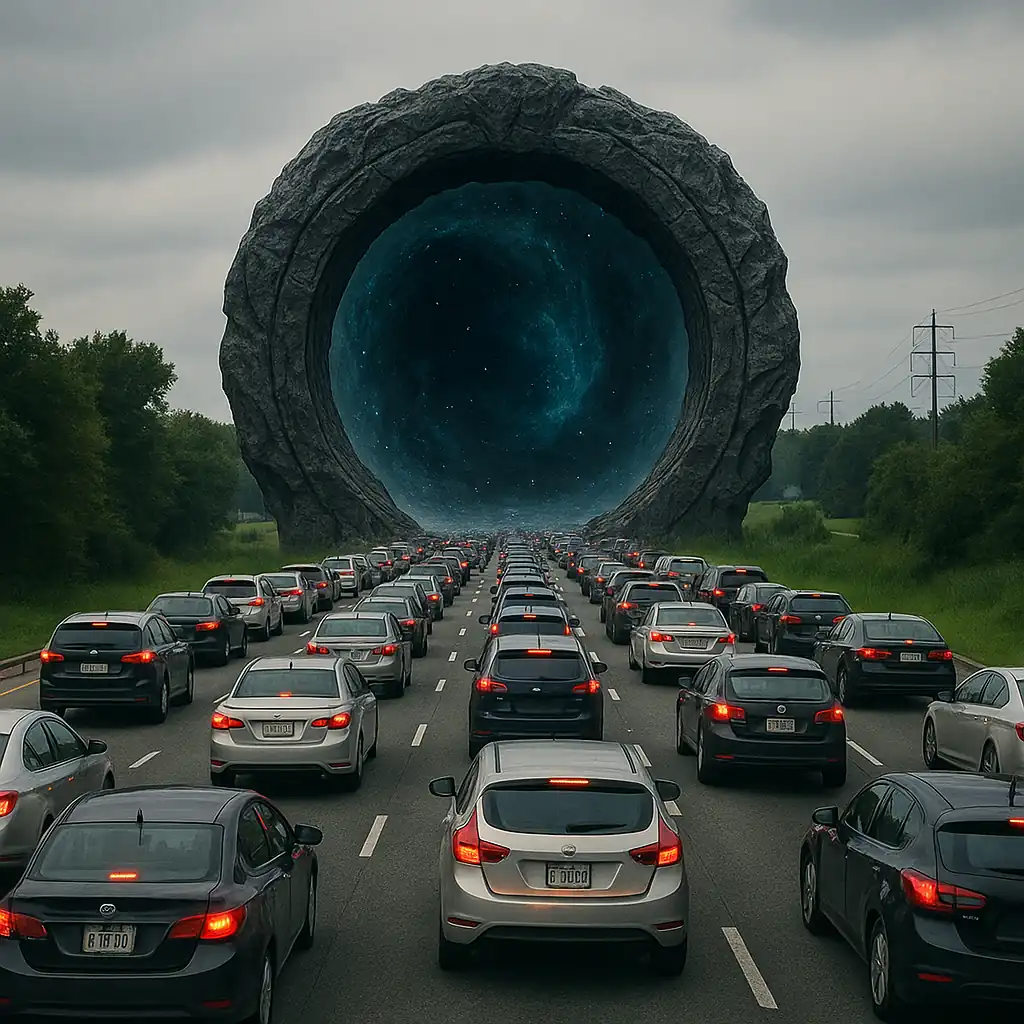
The Theory of Parallel Universes
The theory of parallel universes stems from various scientific ideas, mainly in cosmology and quantum mechanics. A key concept is the “multiverse” theory, suggesting multiple realities exist alongside ours, each with unique laws of physics. In 1957, physicist Hugh Everett proposed the Many-Worlds Interpretation (MWI), a cornerstone of this theory. According to MWI, every quantum event splits reality into branches, creating new worlds—for example, one where you chose tea over coffee today.
This theory implies an infinite number of realities, each diverging from different choices or events. While MWI remains speculative, it has gained support among physicists studying quantum behavior. The concept challenges our idea of a singular reality, suggesting countless versions of “us” might exist in unseen dimensions, reshaping how we view the universe.
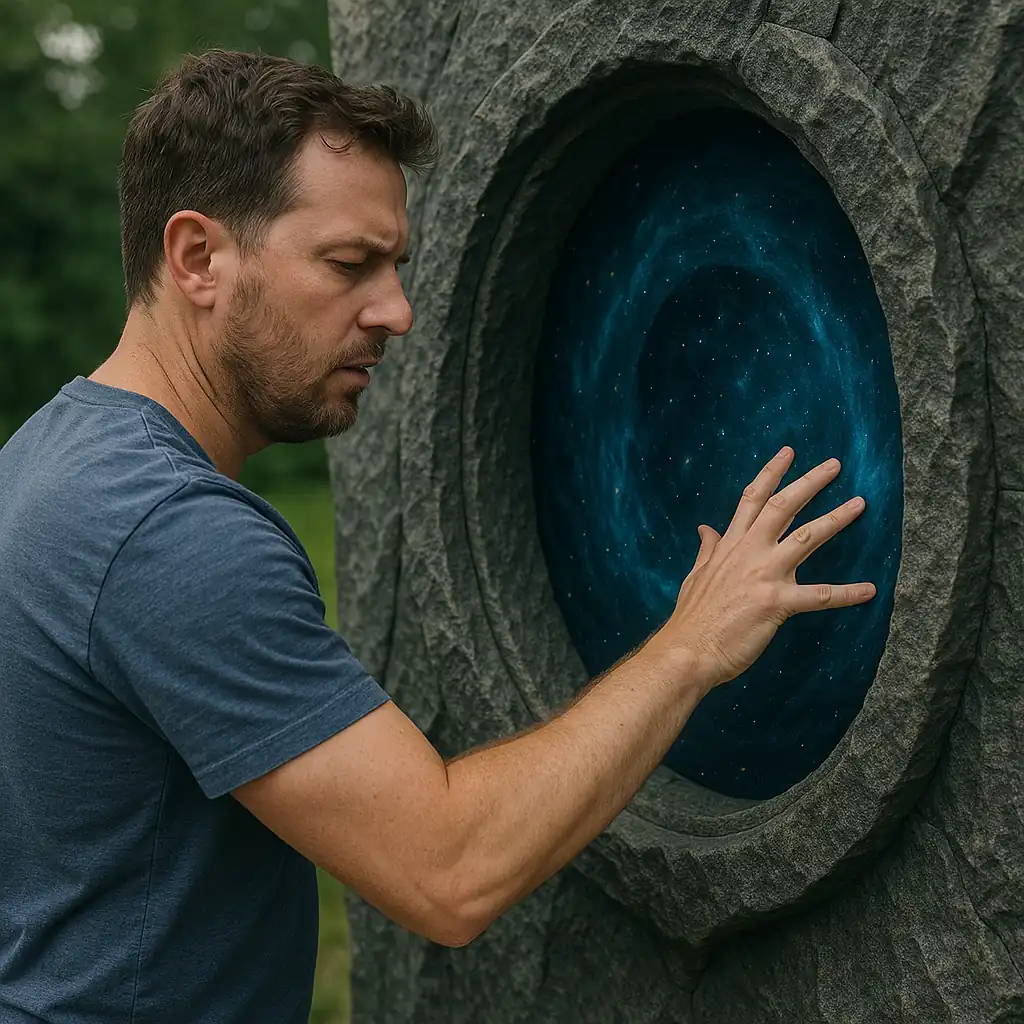
Parallel Universes and Quantum Mechanics
The connection between alternate dimensions and quantum mechanics is profound, particularly through the Many-Worlds Interpretation. Quantum mechanics shows that particles, like electrons, exist in superposition—multiple states at once—until measured. When a measurement occurs, the particle “chooses” a state, but MWI argues that all possible states occur, each in a separate reality. This means quantum mechanics suggests a multiverse where every possibility plays out.
For example, in the double-slit experiment, an electron passing through slits creates an interference pattern. MWI posits that each possible path the electron takes exists in a different reality. Parallel universes and quantum mechanics offer a radical explanation for quantum phenomena, though direct evidence remains elusive as of 2025, leaving this idea as a fascinating theoretical framework.
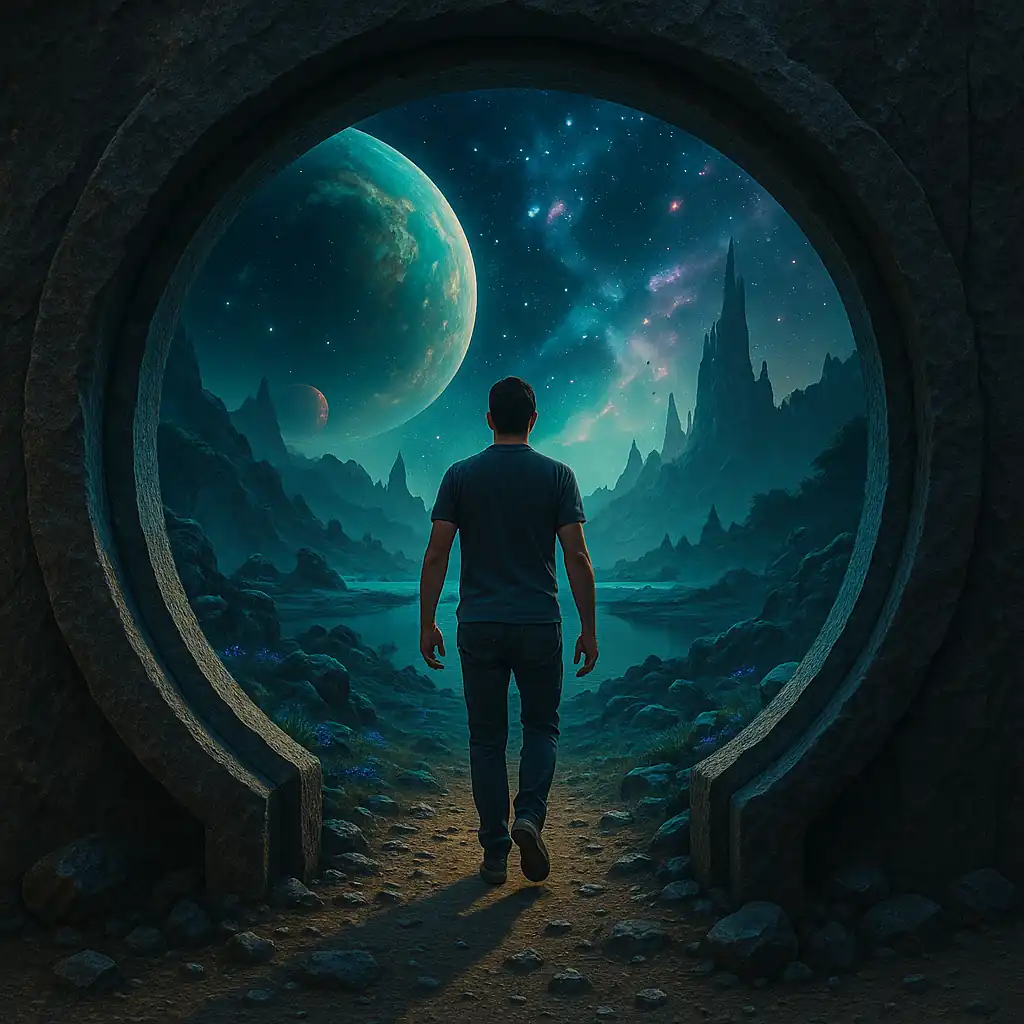
Evidence of Parallel Universes
Finding evidence of other dimensions is a major challenge, as these realms, if real, lie beyond our observable cosmos. However, some intriguing clues have surfaced. In 2010, cosmologists analyzing the cosmic microwave background (CMB)—the radiation from the Big Bang—found anomalies, such as cold spots, that some hypothesize could be “bruises” from collisions with other realities. This aligns with the inflationary multiverse theory, which suggests rapid expansion after the Big Bang created bubble universes.
Another potential piece of evidence of parallel universes comes from quantum experiments. Some physicists argue that the behavior of entangled particles, which affect each other instantly regardless of distance, might hint at interactions with other dimensions. While these findings are not conclusive, they fuel speculation about a multiverse, pushing the boundaries of modern physics.
Parallel Universes in Culture
The idea of parallel universes in culture has long captured the public’s imagination, blending science with fiction. In literature, works like Philip K. Dick’s The Man in the High Castle explore alternate histories, imagining a world where the Axis powers won World War II. On screen, films like Everything Everywhere All at Once (2022) depict characters navigating multiple realities, reflecting the multiverse concept in a creative way.
Parallel universes in culture also appear in TV shows like Stranger Things, where characters encounter the Upside Down, a dark alternate dimension. These stories resonate because they tap into our curiosity about “what if” scenarios—what if we made different choices? The concept in culture entertains while inspiring us to ponder the scientific possibilities of alternate realities.
Leave a Reply