Introduction
Sulfur benefits and uses are vast in nature and industry. This yellow element, known as brimstone, has a rich history. Therefore, it’s essential to understand its role today. Sulfur supports plant growth, industrial processes, and even health. In addition, it’s the fifth most common element on Earth. As of May 2025, its applications continue to grow. Moreover, sulfur’s unique properties make it versatile. This article explores sulfur benefits and uses in detail. It covers its natural occurrence, properties, applications, and environmental effects. Consequently, you’ll learn why sulfur matters in our world.
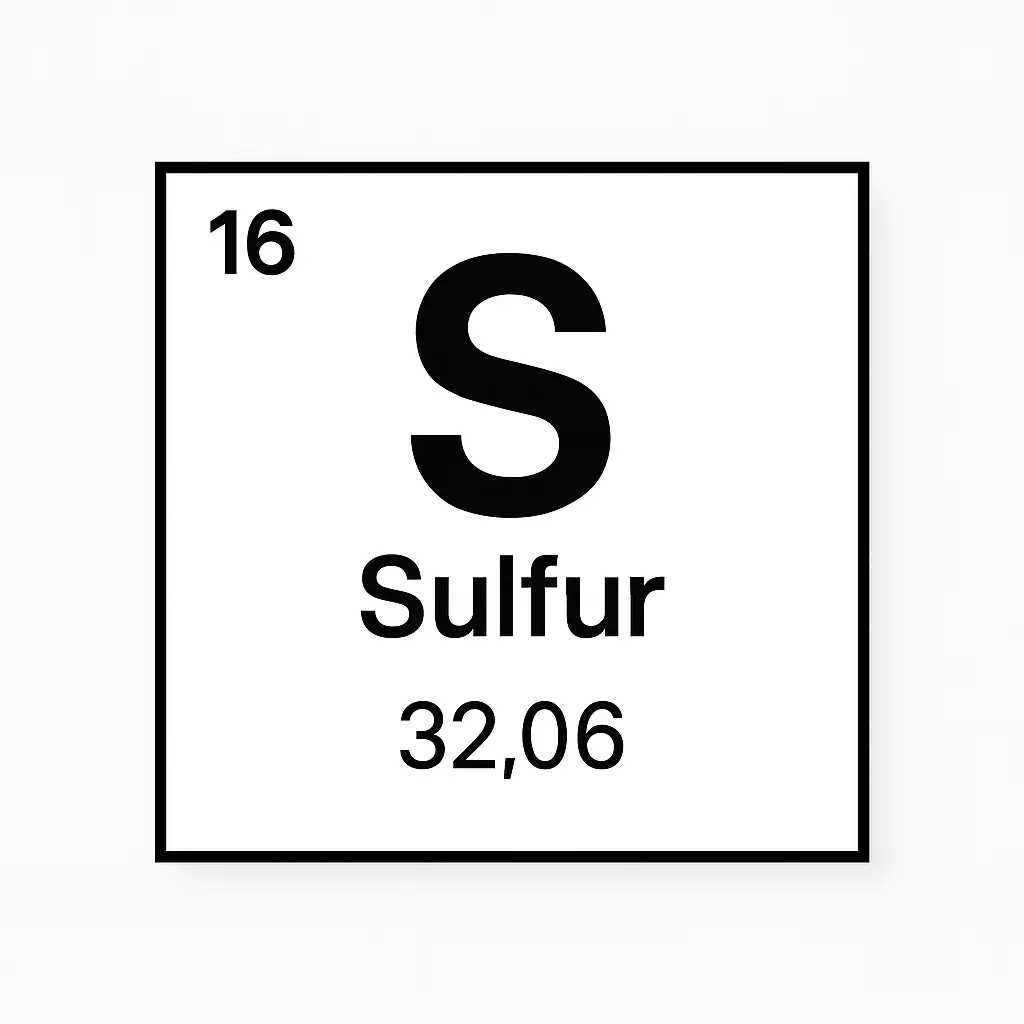
Sulfur has been used since ancient times for fumigation. However, modern uses are far more advanced. For clarity, 1 gram of sulfur equals 0.035 ounces. In addition, its atomic number is 16 on the periodic table. The element is abundant near volcanoes and hot springs. Furthermore, industries rely on it for sulfuric acid production. This guide provides a clear overview of sulfur’s impact. It’s a key nutrient and a vital chemical. What role does sulfur play in your life? Let’s dive in.
Sulfur in Nature: Where It’s Found
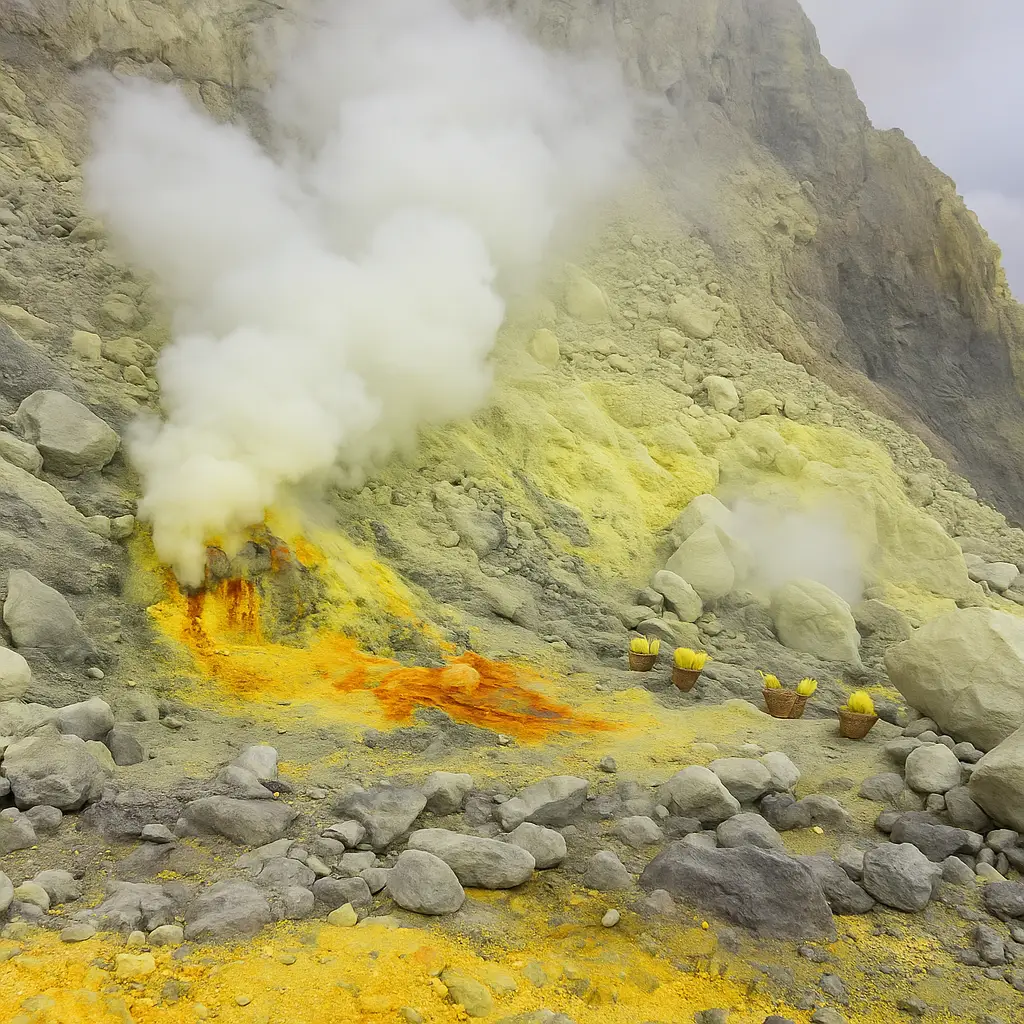
Sulfur in nature is abundant and widely distributed. It ranks fifth among Earth’s elements by mass. Therefore, it’s found in volcanic regions and hot springs. Places like the Pacific Ring of Fire have large deposits. In addition, countries like Indonesia, Chile, and Japan mine sulfur. These deposits often form as polycrystalline structures. Moreover, the largest single sulfur crystal measures 22 cm long. Historically, Sicily was a major sulfur source during the Industrial Revolution.
Sulfur also exists in marine environments. Lakes of molten sulfur, up to 200 meters wide, lie on the sea floor. Furthermore, anaerobic bacteria in salt domes produce native sulfur. These domes are common along the Gulf of Mexico. As a result, sulfur in nature supports ecosystems and industries. Plants absorb sulfur as sulfate from soil or seawater. In addition, marine algae release sulfur gases into the atmosphere. This contributes to the global sulfur cycle. Consequently, sulfur in nature is a key player in nutrient cycles. Its availability shapes both geology and biology.
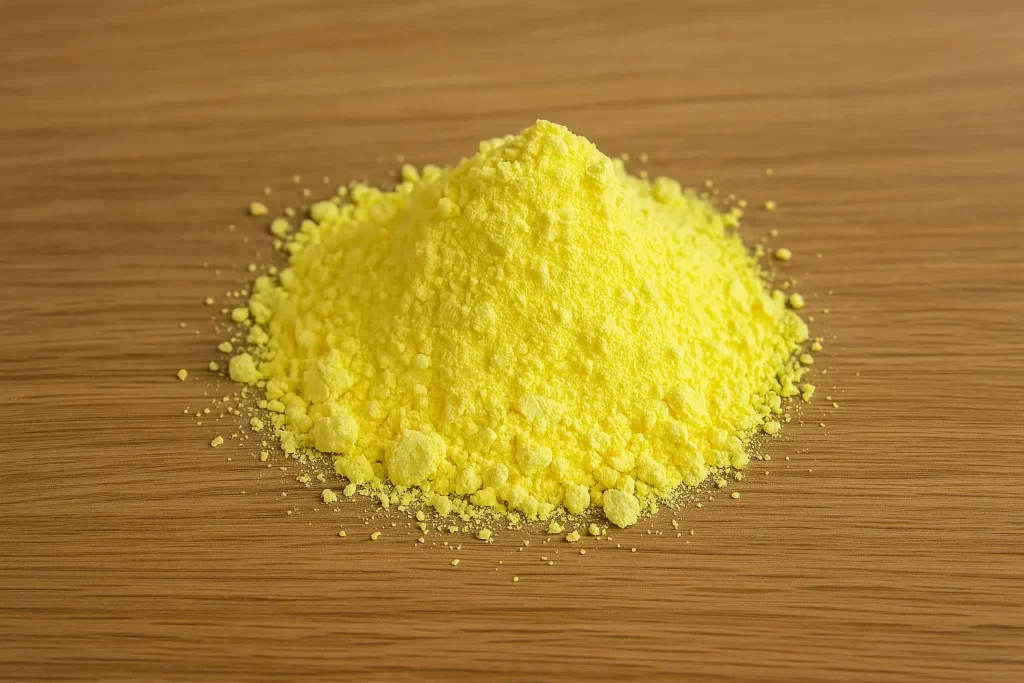
Sulfur’s natural forms include sulfide and sulfate minerals. Pyrite and gypsum are common examples. Therefore, mining these minerals provides raw sulfur. The element’s bright yellow color makes it easy to spot. In addition, its odorless nature contrasts with its smelly compounds. Sulfur’s role in volcanic activity is significant. It often emits as hydrogen sulfide gas. Moreover, deep-sea vents rely on sulfur for microbial life. This shows how sulfur in nature connects to Earth’s processes.
Sulfur Chemical Properties: A Versatile Element
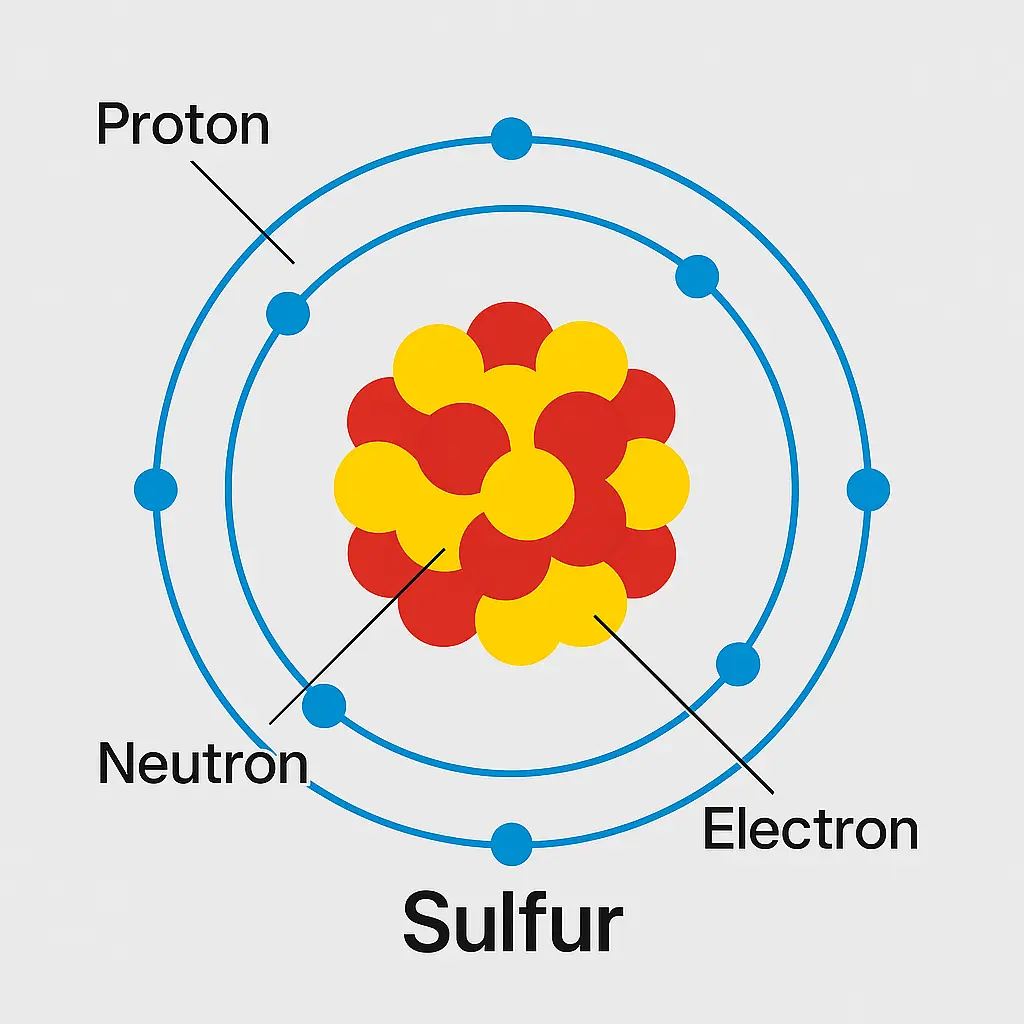
Sulfur chemical properties make it highly reactive. It has an atomic number of 16 and mass of 32.06. Therefore, it belongs to Group 16 in the periodic table. Sulfur forms cyclic molecules, with octasulfur (S8) being the most common. In addition, it’s a nonmetal with poor electrical conductivity. Its melting point is 115.21°C, and it boils at 444.6°C. Moreover, sulfur’s color changes with temperature, from yellow to red. This happens due to molecular structure shifts.
Sulfur has multiple oxidation states, from -2 to +6. It reacts with most elements except noble gases. Therefore, it forms compounds like sulfides and sulfates. For example, sulfur dioxide forms at normal conditions. However, sulfur trioxide needs a catalyst and high heat. In addition, sulfur’s ability to catenate creates chains and rings. This property is second only to carbon. As a result, sulfur chemical properties allow diverse applications. It’s a key player in both organic and inorganic chemistry.
Sulfur’s viscosity changes with heat. At 157°C, it’s least viscous, but it thickens at 187°C. Furthermore, its allotropes include α-octasulfur and β-polymorph. These forms affect its physical behavior. In addition, sulfur is insoluble in water but dissolves in carbon disulfide. Its reactivity with metals forms sulfides like iridium disulfide. Consequently, sulfur chemical properties are vital for industrial uses. They also explain its role in biological systems. Understanding these traits unlocks sulfur’s potential.
Sulfur Benefits and Uses in Industry, Agriculture, and Biology
Sulfur benefits and uses span across industries, agriculture, and biology. It’s primarily used to produce sulfuric acid. Therefore, millions of tons are made yearly for fertilizers. Sulfuric acid helps create phosphates for crops. In addition, sulfur is a fungicide in organic farming. It protects field crops, fruits, and vegetables effectively. Moreover, it’s used in vulcanizing rubber for tires. This process makes rubber stronger and more durable.
Sulfur also plays a role in gunpowder production. It’s a key ingredient in black powder. Furthermore, sulfur compounds like mercaptans are added to natural gas. They give a detectable smell for safety. As a result, sulfur benefits and uses improve daily life. In agriculture, sulfur enhances soil fertility. Plants need it for protein synthesis, especially in cysteine. In addition, sulfur is a component of glutathione, a vital antioxidant. This protects human cells from damage.
Sulfur supports marine life through bacteria. Anoxygenic phototrophic bacteria use sulfur as an electron donor. Therefore, it’s essential for deep-sea ecosystems. In humans, sulfur supplements may help with osteoarthritis. However, evidence is limited, per the NIH. Topical sulfur treats dandruff and acne effectively. Moreover, it’s FDA-approved for these uses. As a result, sulfur benefits and uses extend to health. Its versatility makes it a cornerstone of multiple fields. Consequently, sulfur benefits and uses are critical in 2025.
Sulfur is used in oil refining and metal extraction. It helps process ores like copper and zinc. Therefore, it’s vital in metallurgy. The element supports water treatment processes too. In addition, sulfur dioxide bleaches paper and preserves food. Over 200 sulfur-based products are available in the US. These include dusts, powders, and liquids. Furthermore, sulfur metabolism in plants aids growth. It helps them resist stress and pathogens. As a result, sulfur’s role in biology is significant. Its absence can reduce crop yields in Europe.
Sulfur Environmental Impact: Challenges and Solutions
Sulfur environmental impact is both positive and negative. Burning sulfur creates sulfur dioxide, a toxic gas. Therefore, it contributes to acid rain. Acid rain harms aquatic life and damages buildings. In addition, sulfur dioxide irritates the lungs and causes respiratory issues. Fossil fuel combustion is the main source. Power plants and industrial facilities release large amounts. Moreover, crude oil can contain up to 4% sulfur. This increases emissions during refining.
Sulfur also affects climate through atmospheric compounds. Dimethylsulfide from algae forms clouds. However, sulfur dioxide forms fine particles that reduce visibility. As a result, sulfur environmental impact includes haze in national parks. In the Sudbury area, sulfur emissions damaged 10,000 hectares of land. Furthermore, sulfur in gas form can kill burrowing animals. It’s used in fumigant cartridges for pest control. Consequently, sulfur environmental impact needs careful management.
Solutions include reducing emissions from power plants. The EPA regulates sulfur dioxide to protect health. Therefore, cleaner fuels with less sulfur are mandated. In addition, sulfur recovery units convert hydrogen sulfide to elemental sulfur. This reduces acidic gas emissions. Industries save costs by optimizing processes. For example, a Middle Eastern refinery saved $69,247 yearly. Moreover, phytoremediation with plants like sunflowers removes sulfur. Sulfur environmental impact can be mitigated with technology.

Leave a Reply