Introduction
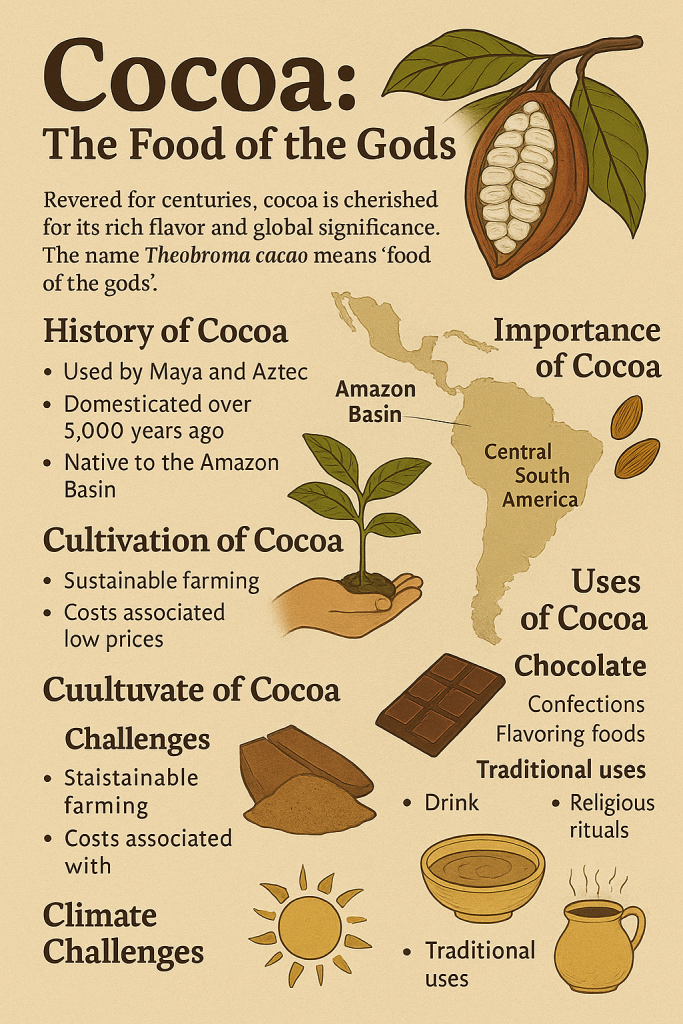
The cocoa tree, native to the tropical Americas, produces a pod that has shaped human history. Known as the cocoa fruit, this pod of Theobroma cacao contains seeds and sweet pulp. Both have been used for over 5,300 years. The cocoa fruit fueled Mesoamerican rituals and economies. Today, it drives a $130 billion chocolate industry. For example, 90% of countries consume chocolate products. Its journey spans ancient beverages to modern confections. This article traces the origins, historical uses, global spread, and current role of cocoa. It highlights its economic and cultural impact.

Origin and Early History
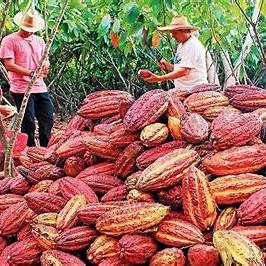
The cocoa fruit originated in the Amazon rainforest. Around 3300 BC, the Mayo-Chinchipe culture in Ecuador domesticated it. Archaeological evidence, like theobromine in ceramics, confirms early use. For instance, the sweet pulp was fermented into a 5.34% alcohol drink. By 1800 BC, cocoa spread to Mesoamerica. The Olmecs processed its seeds for beverages. The tree, Theobroma cacao, grows within 20° of the Equator. Its varieties, Criollo and Trinitario, vary in flavor. Criollo is delicate but low-yielding. Meanwhile, cultivation needed specific conditions. Therefore, early adoption stayed in tropical zones. Trade networks spread cocoa knowledge. This laid the foundation for its cultural role. Early farmers selected high-yield trees, shaping modern varieties.
Consumption in Ancient Cultures
Mesoamerican societies valued the cocoa fruit deeply. The Olmecs (1500–400 BC) ground its seeds for a bitter drink. They added spices for taste. The Maya (600 BC–900 AD) used the cocoa fruit’s beans as currency. A zontli equaled 400 beans. They drank xocoatl in rituals, honoring Ek Chuah, the cocoa god. Festivals celebrated cocoa harvests. The Aztecs (400 AD) limited cocoa drinks to elites. They believed it gave strength. For example, warriors consumed it before battles. Pulp was fermented into alcohol. Beans were offered to Quetzalcoatl. Temples stored thousands of beans. Consequently, cocoa held spiritual and economic power. However, only the privileged had access. Trade routes spread beans across regions, boosting their value.
Global Spread and Innovations
Cocoa reached Europe in the 16th century. Columbus saw its beans in 1502. Cortés introduced the drink to Spain in 1528. Spaniards added sugar for sweetness. By 1580, Spain launched cocoa plantations in Latin America. These relied on enslaved labor, a grim history. The Industrial Revolution changed cocoa use. In 1828, van Houten’s press separated cocoa butter from seeds. This created cocoa powder via “Dutching.” In 1847, J.S. Fry & Sons made the first chocolate bar. By 1876, Daniel Peter invented milk chocolate. Companies like Cadbury scaled production. For instance, they sold 2 million bars by 1900. Meanwhile, colonial powers expanded cocoa trade. Africa and Asia joined Latin America as producers. These advances made cocoa products affordable. They shifted consumption from elite drinks to mass-market sweets.
Modern Production and Consumption
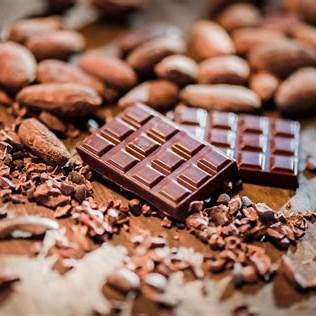
Cocoa is a global staple today. Over 4.5 million tons of beans are consumed yearly. West Africa, led by Ivory Coast and Ghana, grows 70% of the cocoa fruit. Smallholder farmers, often earning $1–2 daily, cultivate it. Seeds are fermented, dried, and roasted. This yields cocoa powder, butter, and chocolate. Modern uses span beverages, confections, and cosmetics. Pulp is processed into juices in Brazil. However, challenges include deforestation, clearing 30% of Ivory Coast’s forests since 1990. Child labor affects 1.5 million children. Initiatives like Ghana’s Cocoa Forest promote sustainability. Fair-trade products, chosen by 60% of EU consumers, gain popularity. New technologies, like precision fermentation, boost yields. For example, sensors optimize irrigation. Brazil consumes 200,000 tons yearly, balancing production and demand. Thus, the cocoa fruit drives economies but needs ethical focus.
Leave a Reply