Introduction
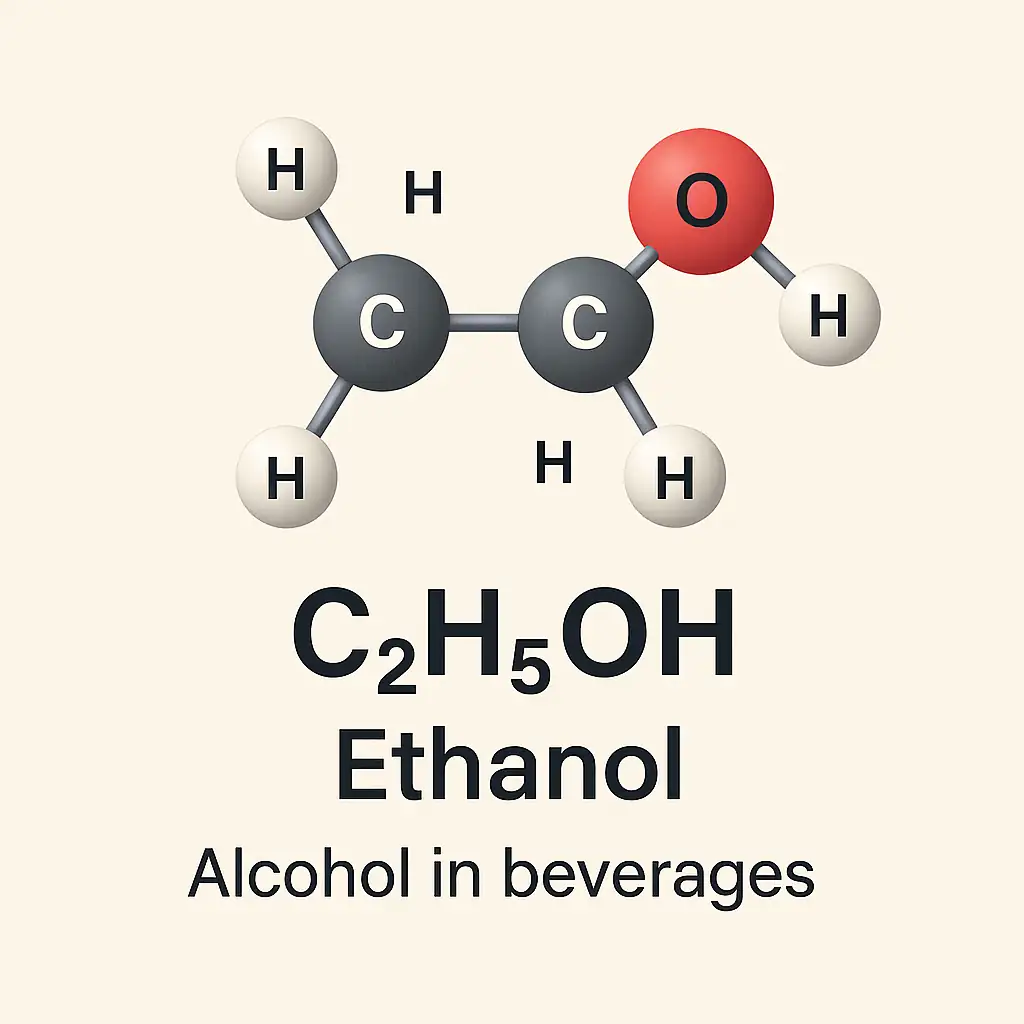
Alcohol’s got a wild past, stretching from ancient brews to today’s craft cocktails. As ethanol (C₂H₅OH, density 0.789 g cm⁻³, boiling point 78.37°C), it’s a simple molecule with a massive impact, shaping cultures, economies, and health debates. Alcohol history is a tale of celebration, innovation, and caution, with roots deep in human civilization.
Why does this story matter? In 2019, the world consumed 5.5 liters of pure alcohol per person, showing its global grip. From sacred rituals to social media-driven drinking trends, alcohol history reveals how one substance can unite and divide us. Let’s trace its path through time, from early fermentation to modern markets, and explore its highs and lows.

Early Origins and Ancient Use
The dawn of alcohol history goes back to around 7000 BCE, when people in modern-day China fermented rice, honey, and fruit into wine. These early drinks weren’t just for kicks—they often had spiritual or healing roles. Archeological finds, like residue in ancient jars, confirm alcohol’s deep roots in human life.
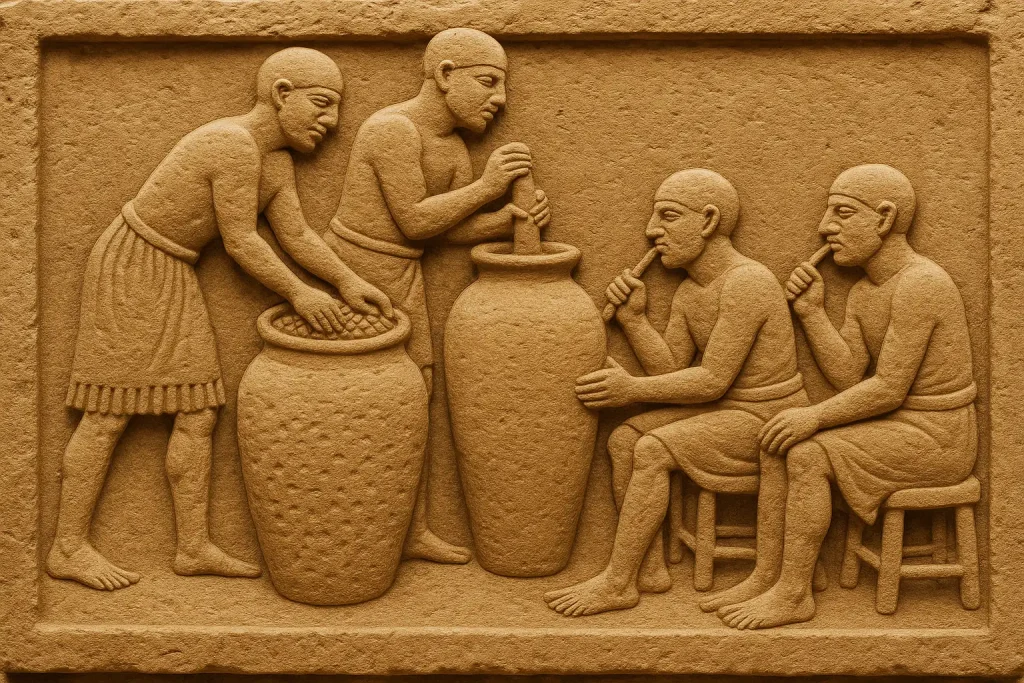
By 3000 BCE, Sumerians and Egyptians were brewing beer from barley, with Sumerians worshipping Ninkasi, their goddess of brewing. Alcohol production became a skilled craft, with beer and wine fueling trade and social bonds. In Mesopotamia, taverns were community hubs, showing alcohol’s role as a social glue.
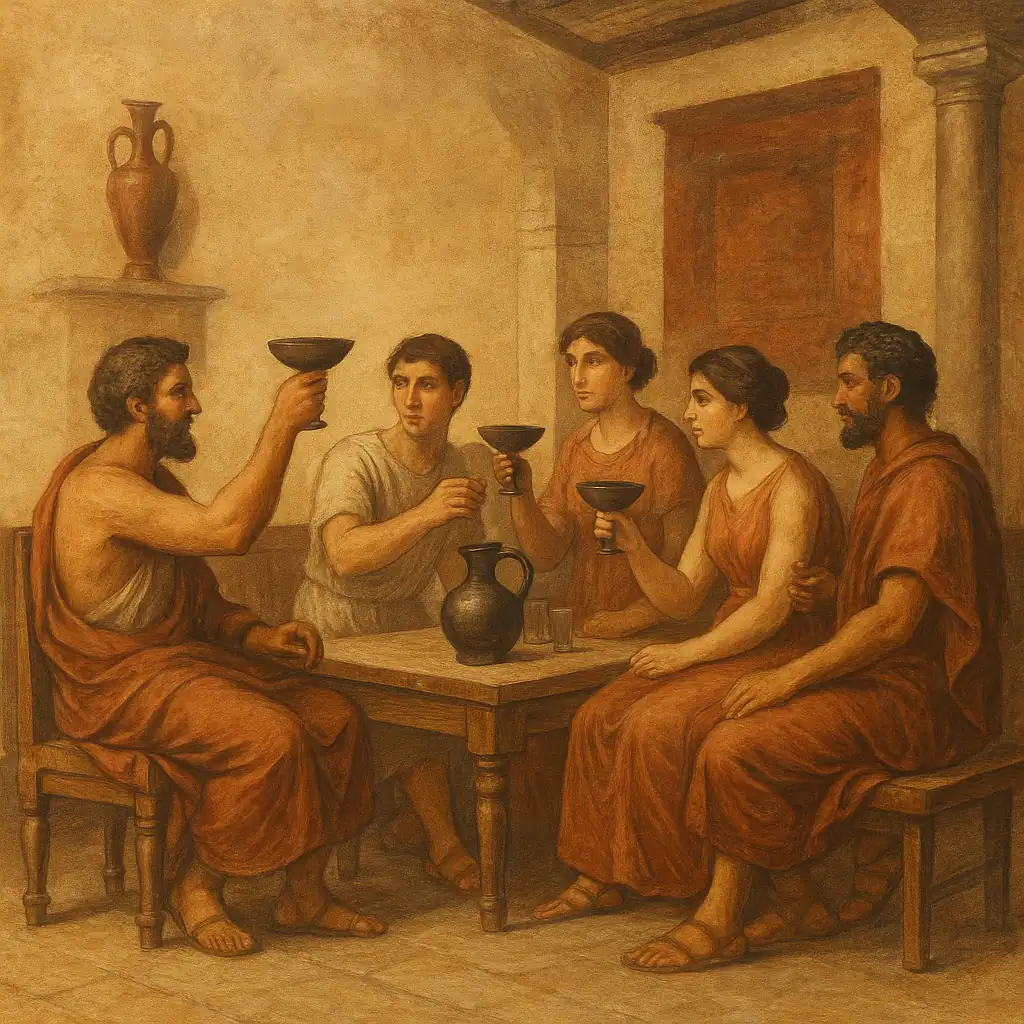
In ancient Greece, wine powered philosophical debates at symposia, while Egyptians used it in religious rites. Roughly 70% of adults in these societies drank regularly, based on historical records, making alcohol a daily staple. Alcohol history from this era highlights its power to connect people across cultures.
Medieval and Early Modern Developments
Fast forward to the Middle Ages, and alcohol history gets a boost with distillation. Around the 9th century, Arab alchemists mastered distilling, creating potent spirits like arak. By the 12th century, Europeans were turning wine into brandy, revolutionizing alcohol production.
Monasteries were key players. Monks brewed beer and crafted liqueurs, like Benedictine, often for medicinal use. Their recipes, some still used today, made alcohol a hot commodity in medieval trade networks, with exports reaching as far as Asia.
In the 15th century, the Age of Exploration spread rum, distilled from sugarcane, across the Americas. This era also saw taverns multiply, but drunkenness sparked early concerns about alcohol effects. In England, alehouses served nearly 80% of the population weekly, per historical estimates.
By the 17th century, better distillation tech gave us gin and whiskey. These spirits fueled social life but also debates over excess, with some towns reporting up to 30% of crimes tied to drinking. Alcohol history here shows a tug-of-war between profit and social order.
Alcohol in the Modern Era
The 19th century supercharged alcohol production with industrial tools. Steam-powered distilleries and bottling lines made brands like Heineken and Smirnoff household names, with global beer consumption hitting 1.3 billion liters by 1900. Alcohol became cheaper and more widespread than ever.
Prohibition in the U.S. (1920–1933) tried to slam the brakes. Instead, it fueled black markets, with illegal distilleries supplying 60–70% of pre-Prohibition consumption levels. The repeal of Prohibition unleashed a boom, with brands like Baileys launching in the 1970s to tap new markets.
Today, the alcohol industry’s worth $1.1 trillion globally, driven by craft breweries and premium spirits. Social media, like Instagram and TikTok, boosts consumption, with studies showing teens exposed to alcohol ads are 2–3 times more likely to drink. Alcohol history now includes digital influences, reshaping how we drink.
Cultural and Religious Perspectives
Alcohol in culture varies across the globe. In Italy, wine’s a dinner essential, with 85% of adults drinking moderately, per WHO data. In Russia, vodka fuels toasts, but binge drinking affects 30% of men, raising health alarms. These habits show alcohol’s role in identity.
Religion shapes views, too. Christianity uses wine in Communion, while ancient Greeks honored Dionysus with festivals. Conversely, Islam bans alcohol, with 90% of Middle Eastern adults abstaining. Some Protestant groups push sobriety, influencing alcohol history in the West.
Cultural shifts add complexity. In Japan, sake ties to Shinto rituals but also casual nights out. Meanwhile, “mommy wine culture” in the U.S., hyped on social media, has spiked female binge drinking by 10% since 2010, especially among middle-aged women.
These differences highlight alcohol’s dual nature. It fosters community but can spark division, with 52% of men and 35% of women globally drinking in 2019, per WHO. Alcohol in culture reflects both celebration and restraint.
Dangers and Notable Events
Alcohol’s not all fun and games. Alcohol effects include over 200 health conditions, like liver disease and seven cancers, with 800,000 annual deaths in Europe alone. In the U.S., 88,000 people die yearly from alcohol-related causes, including 10,000 drunk-driving deaths.
History’s full of cautionary tales. The 18th-century Gin Craze in London saw gin shops serve 1 in 3 households, fueling crime and poverty until taxes curbed it. Prohibition, as noted, backfired, with organized crime like Al Capone’s empire thriving on illegal sales.
Modern risks include social media’s pull. A 2023 study found teens spending 2+ hours daily on social media are 1.5 times more likely to binge drink by age 17, driven by brands like Smirnoff posting lifestyle ads. Alcohol history warns us to balance enjoyment with responsibility.
Leave a Reply