Introduction
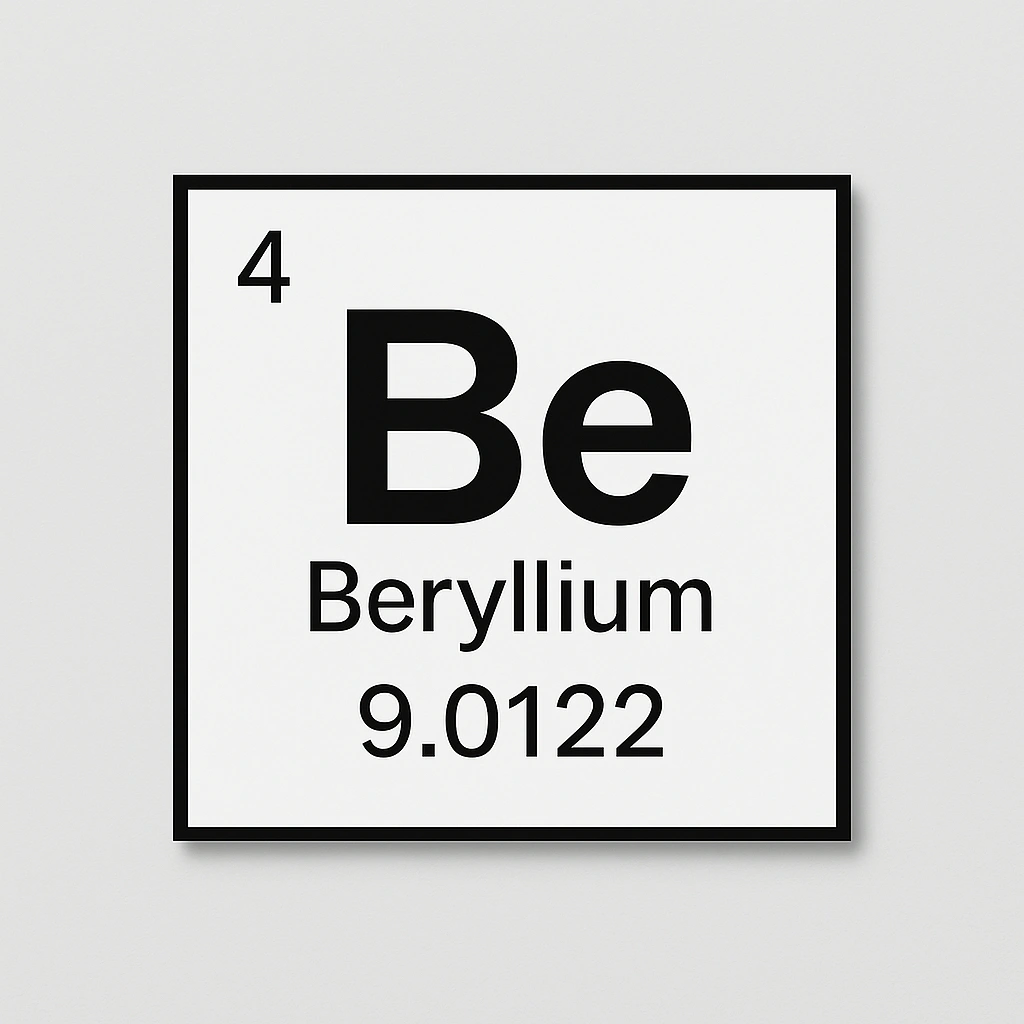
Beryllium, a rare, steel-gray metal, occupies atomic number 4 on the periodic table, known for its exceptional strength and low density. This element’s unique properties make it invaluable in advanced technology, aerospace, and medical applications. Despite its scarcity and challenging production, beryllium’s role in high-performance materials and critical industries is unmatched. From enabling precise scientific instruments to enhancing nuclear reactors, beryllium is a hidden powerhouse. This article explores its characteristics, applications, extraction processes, challenges, and future prospects, shedding light on why this metal is essential in shaping modern innovation.
Chemical and Physical Properties
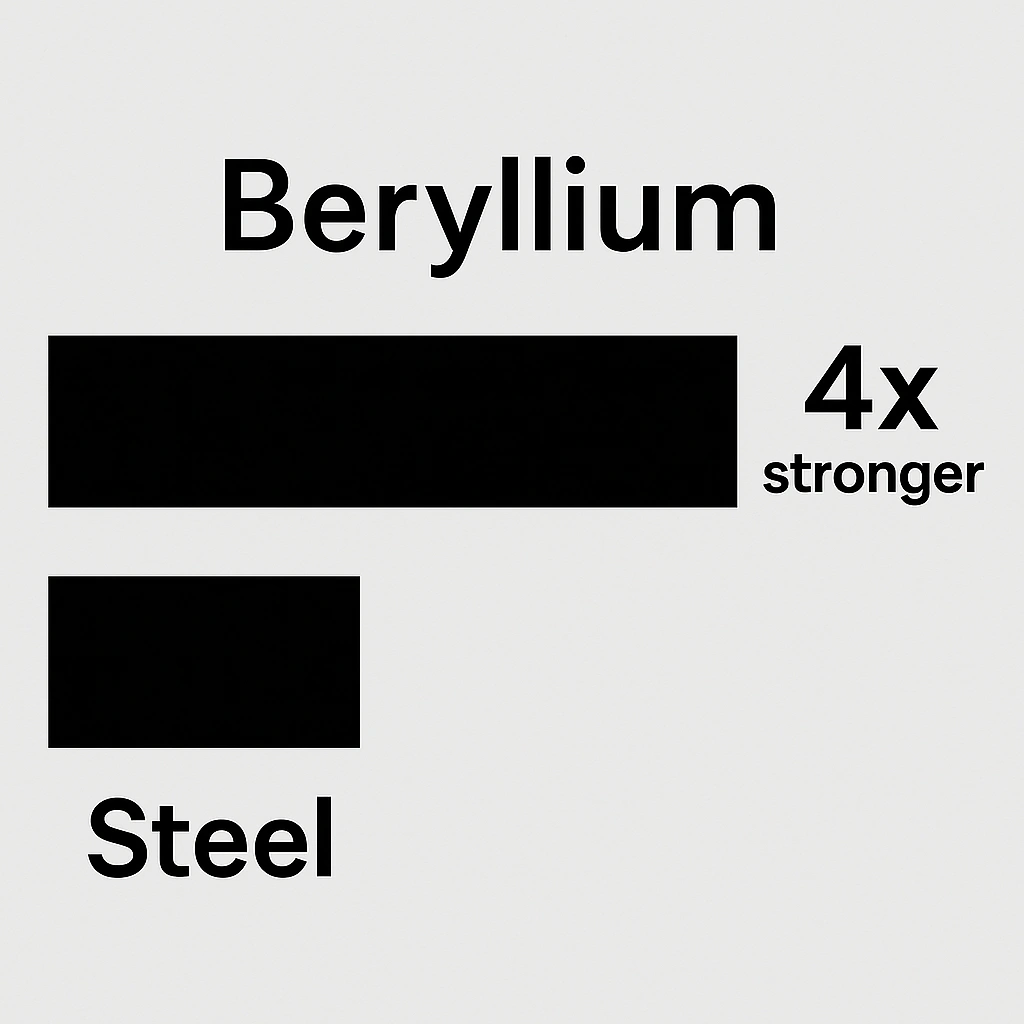
This metal boasts a remarkable combination of traits that set it apart. With a density of 1.85 g/cm³, beryllium is significantly lighter than most metals, yet it rivals steel in strength and stiffness. Its high melting point of 1,287°C and excellent thermal conductivity make it ideal for extreme environments. Beryllium is also transparent to X-rays, a property that distinguishes it in medical and scientific applications. Chemically, it forms a protective oxide layer when exposed to air, resisting corrosion but requiring careful handling due to its reactivity. These qualities, combined with its low neutron absorption, position this element as a critical material in specialized industries.
Key Applications in Modern Technology
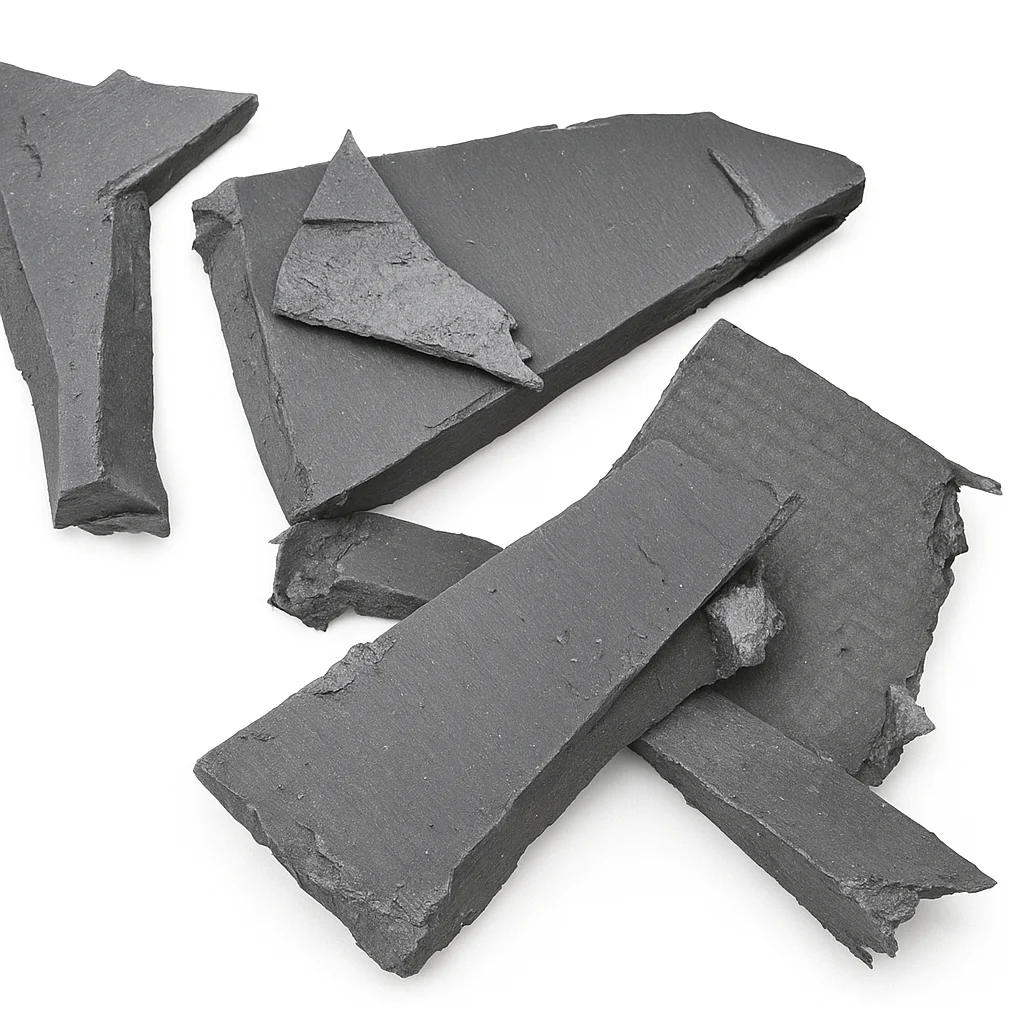
The unique attributes of this metal drive its use across diverse, high-stakes sectors. In aerospace, beryllium’s strength-to-weight ratio makes it ideal for lightweight structural components in satellites, spacecraft, and military aircraft. Its transparency to X-rays enables its use in medical imaging equipment, such as CT scanners, and in scientific instruments like synchrotron beamlines. Beryllium is also critical in nuclear reactors, where its ability to moderate neutrons enhances efficiency and safety. Additionally, alloys containing this metal, particularly beryllium-copper, are prized for their conductivity and durability in electronics, automotive components, and precision tools. Its role in defense systems, including missile guidance, further underscores its strategic importance.

Extraction and Processing Methods
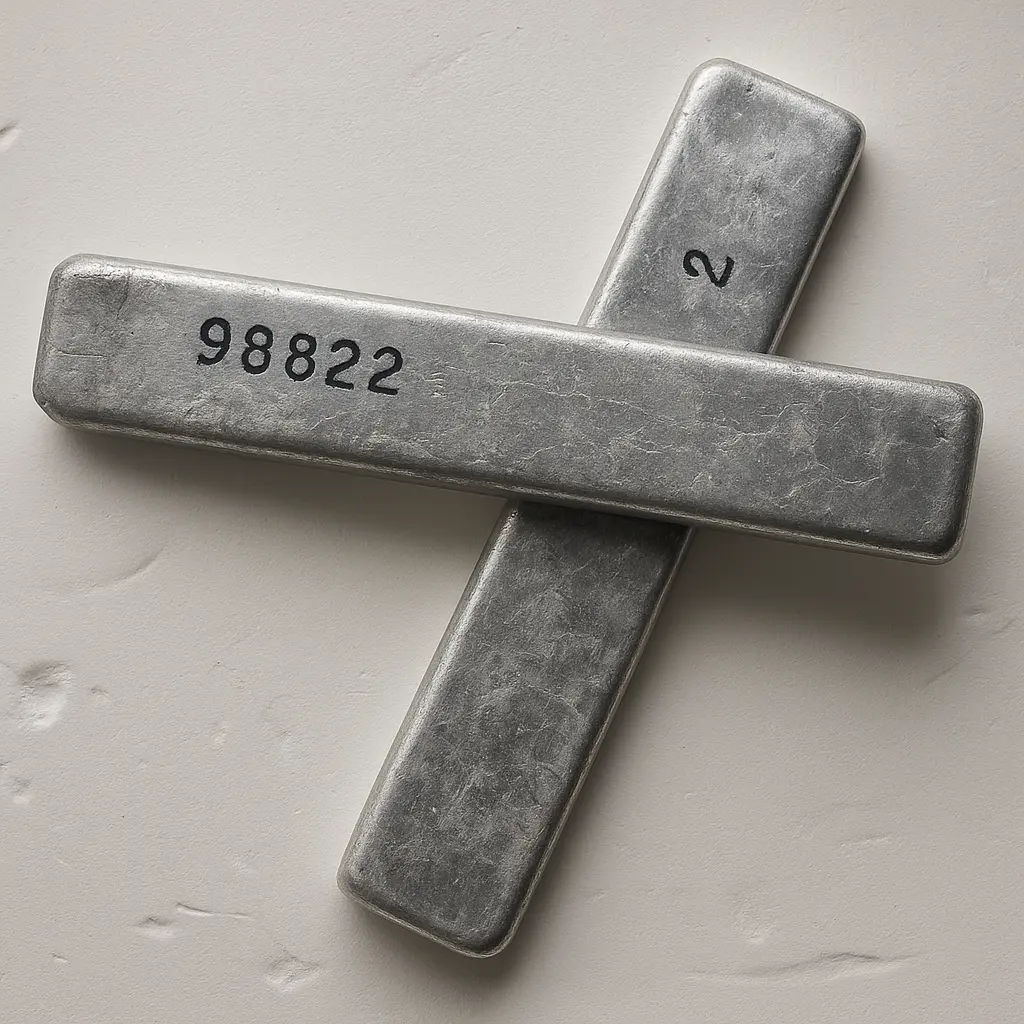
Obtaining this resource is complex due to its rarity and the challenges of handling it safely. Beryllium is primarily extracted from beryl and bertrandite ores, found in deposits in the United States, China, and Kazakhstan. The extraction process begins with mining, followed by chemical treatment to produce beryllium hydroxide. This intermediate is then converted into pure metal or compounds through high-temperature reduction or electrolysis. The process is energy-intensive and requires stringent safety measures, as beryllium dust and fumes are toxic and can cause severe lung disease. Refining techniques, such as vacuum casting, ensure the high purity needed for advanced applications, but scaling production remains costly and environmentally demanding.
Challenges and Sustainability Issues
Producing this metal presents significant environmental, health, and economic hurdles. Mining and processing beryllium generate toxic byproducts, posing risks to workers and nearby ecosystems if not managed rigorously. The element’s toxicity, particularly in dust form, necessitates expensive safety protocols, limiting production scalability. Its rarity and concentrated deposits in a few countries create supply chain vulnerabilities, with potential disruptions from geopolitical tensions or trade restrictions. Recycling beryllium from scrap alloys is possible but inefficient, recovering only a fraction of the material. Sustainable practices, such as developing non-toxic processing methods and improving recycling technologies, are crucial to balance its benefits with its environmental and health impacts.
Leave a Reply