Introduction
The notion that humans use only 10% of their brains, with untapped potential for superhuman abilities, has fueled pop culture and self-help trends. Yet, brain capacity utilization is a scientific topic, not a Hollywood fantasy. Studies show we engage most of our brain daily, but optimizing its efficiency intrigues researchers and the public. This article examines the myth’s history, brain science, benefits, risks, and strategies for cognitive improvement, separating fact from fiction.
The allure of brain capacity utilization reflects our desire to boost mental performance. While some methods enhance cognition, others stem from misconceptions, posing risks. Thus, a balanced analysis clarifies how to maximize brain potential safely and effectively.

Historical Context of the Myth
The 10% brain usage myth likely arose in the early 20th century, possibly from misread neurological studies or remarks by thinkers like William James about untapped mental potential. By the 1950s, pop culture embraced it, with self-help books claiming unused brain areas could unlock extraordinary skills. These neural efficiency myths, however, lacked evidence, shaping public perception.
For example, early brain imaging, like EEG, showed multiple brain regions active during simple tasks, debunking the myth. Yet, media and motivational speakers kept it alive, exploiting hopes of hidden potential. This gap between science and popular belief fueled the myth’s persistence.
The myth endures because it taps into human optimism about self-improvement. Despite neuroscience advancements, it continues to influence cognitive performance enhancement trends, often leading to commercial exploitation.
Scientific Understanding of Brain Function
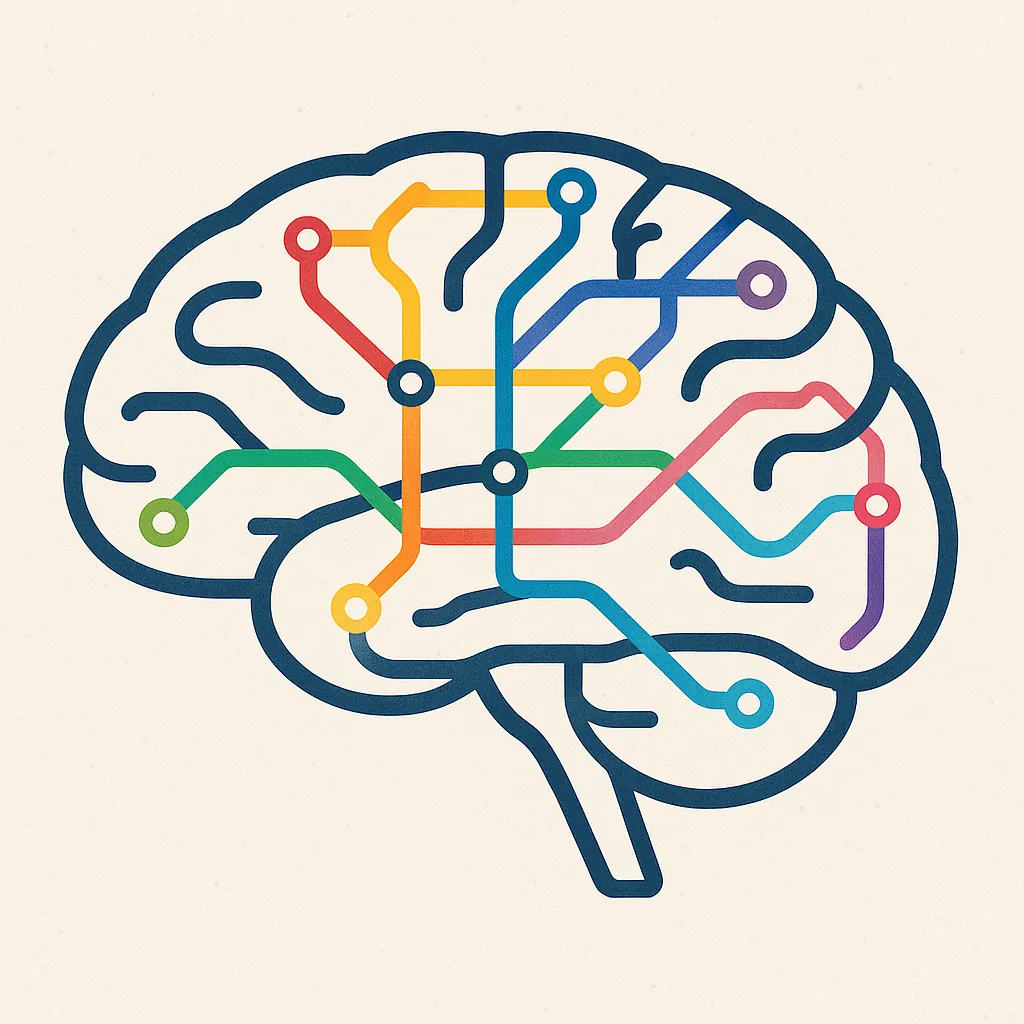
Neuroscience confirms we use nearly all brain regions, with activity varying by task. Functional MRI scans reveal that reading, problem-solving, or daydreaming engages widespread neural networks. Brain capacity utilization focuses on optimizing these networks, not activating “unused” areas, unlike myths suggest.
Neurons connect via synapses, and neural plasticity—forming new connections—drives learning. For instance, mastering a new skill, like playing an instrument, boosts synaptic density, enhancing cognition. However, the brain consumes 20% of the body’s energy, limiting how much it can be pushed without fatigue.
Claims of unlocking 100% brain capacity often misrepresent neural efficiency myths. Overloading the brain with stimuli impairs focus, not improves it. Thus, brain capacity utilization hinges on efficiency, not mythical reserves.

Benefits and Risks
Does maximizing brain capacity utilization yield benefits or risks? Cognitive training, like learning languages or solving puzzles, can sharpen mental agility. Research shows regular mental exercises improve working memory and delay cognitive decline in older adults, supporting cognitive performance enhancement.
Yet, pushing the brain excessively has downsides. Chronic stress or multitasking can cause burnout, anxiety, or poor decision-making by taxing the prefrontal cortex. Moreover, the 10% myth fuels commercial scams, like the 2014 film Lucy, which falsely depicted unlocking 100% brain capacity for superpowers, or nootropic ads promising genius-level IQ with unproven pills, risking financial loss or health issues.
The pursuit of full brain usage often stems from neural efficiency myths, fostering unrealistic goals. While training optimizes function, expecting superhuman abilities can lead to frustration or reliance on dubious products, highlighting the need for evidence-based approaches.

Strategies for Cognitive Enhancement
Evidence-based strategies can enhance brain capacity utilization safely. Aerobic exercise, for instance, boosts blood flow to the brain, promoting memory-related neurogenesis. Studies show 30 minutes of moderate exercise five times weekly improves cognitive function in adults.
Sleep, another key factor, consolidates memories and clears neural waste, enhancing focus. Research confirms 7–9 hours nightly boosts creativity and attention. Similarly, mindfulness meditation reduces stress and improves working memory after eight weeks of practice, offering effective brain optimization strategies.
However, unproven methods, like many nootropic supplements, often lack evidence. While caffeine provides temporary boosts, other nootropics may cause side effects or dependency. Misleading ads, claiming pills can “unlock” brain potential, exploit the 100% myth, wasting money or harming health. Consulting professionals ensures safer cognitive performance enhancement.
Misinformation from unregulated sources, like social media influencers, further promotes risky brain optimization strategies. Prioritizing lifestyle factors—exercise, sleep, diet—offers reliable benefits without the pitfalls of overhyped solutions.

Leave a Reply