Introduction
Cheese is a cherished food, enjoyed from Middle Eastern labneh to Italian parmesan. For example, its countless flavors and textures enrich global cuisines. Factories and artisans drive cheese production, a practice rooted in ancient traditions. From Indian paneer to creamy brie, cheese enhances meals and cultures. Additionally, its history and nutritional value make it a worldwide favorite worth exploring.
This article examines cheese’s journey, from ancient origins to modern innovations. It covers diverse cheese types, their production, and their benefits. Furthermore, cheese has shaped diets, economies, and traditions, but it faces modern challenges. Understanding its global role offers insight into its appeal. Let’s explore what makes cheese so remarkable.
History of Cheese
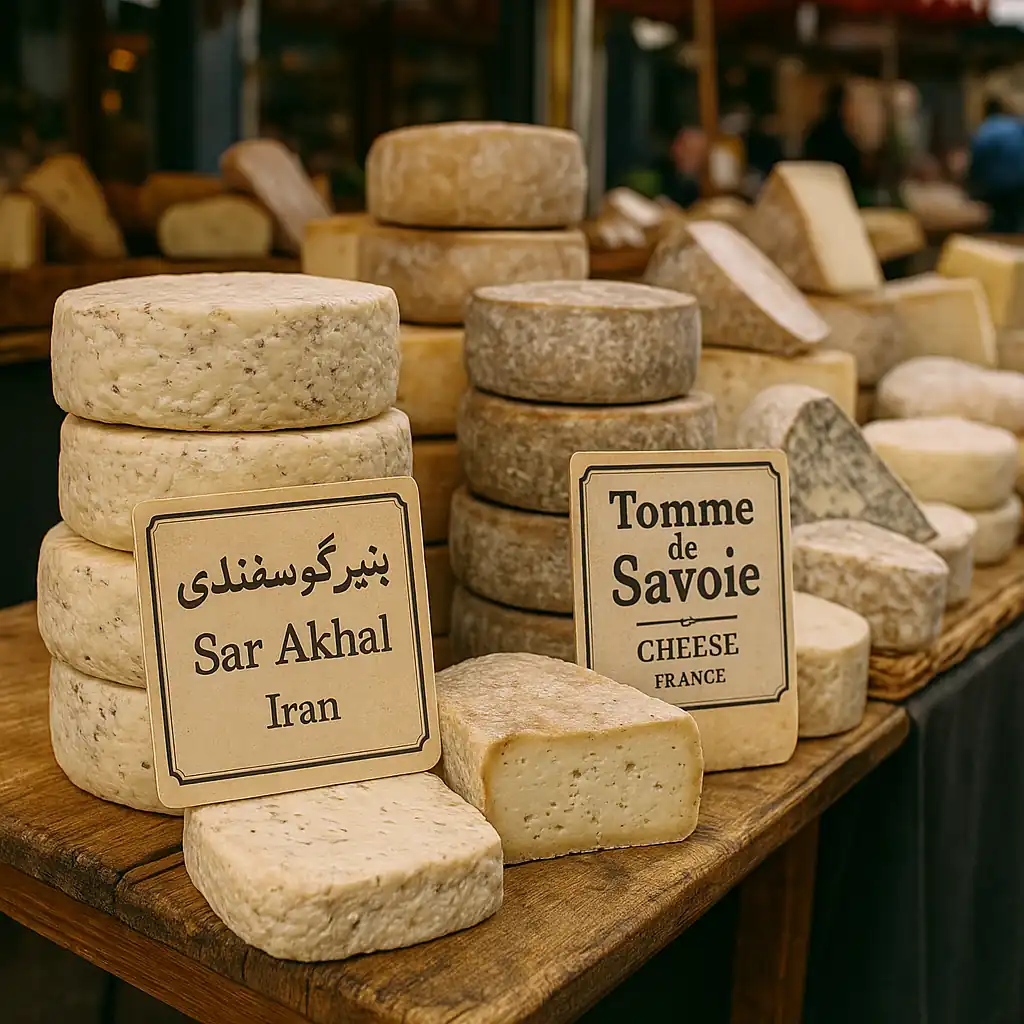
Cheese history began over 7,000 years ago, likely in the Middle East. A legend tells of a nomad discovering cheese when milk curdled in a goatskin bag. For instance, ancient Mongolians made airag cheese from mare’s milk, while Indian texts mention paneer. In Egypt, people buried cheese in tombs, showing its value. Thus, cheese history highlights its role in early trade and diets.
By the Middle Ages, cheese-making spread across Asia and Europe. Meanwhile, Tibetan monks crafted chhurpi from yak milk, a tale says to honor mountain spirits. For example, Indian paneer became a staple in vegetarian diets, noted in Vedic texts. These methods preserved food for long journeys. Consequently, cheese’s cultural significance grew, connecting diverse regions.
Modern cheese-making blends tradition with technology. Artisans in Mongolia and India maintain ancient recipes, while factories produce cheese globally. From nomadic camps to urban markets, cheese reflects human ingenuity. Moreover, its evolution continues to shape culinary heritage. Cheese’s past links us to diverse cultures and their food traditions.
Types of Cheese
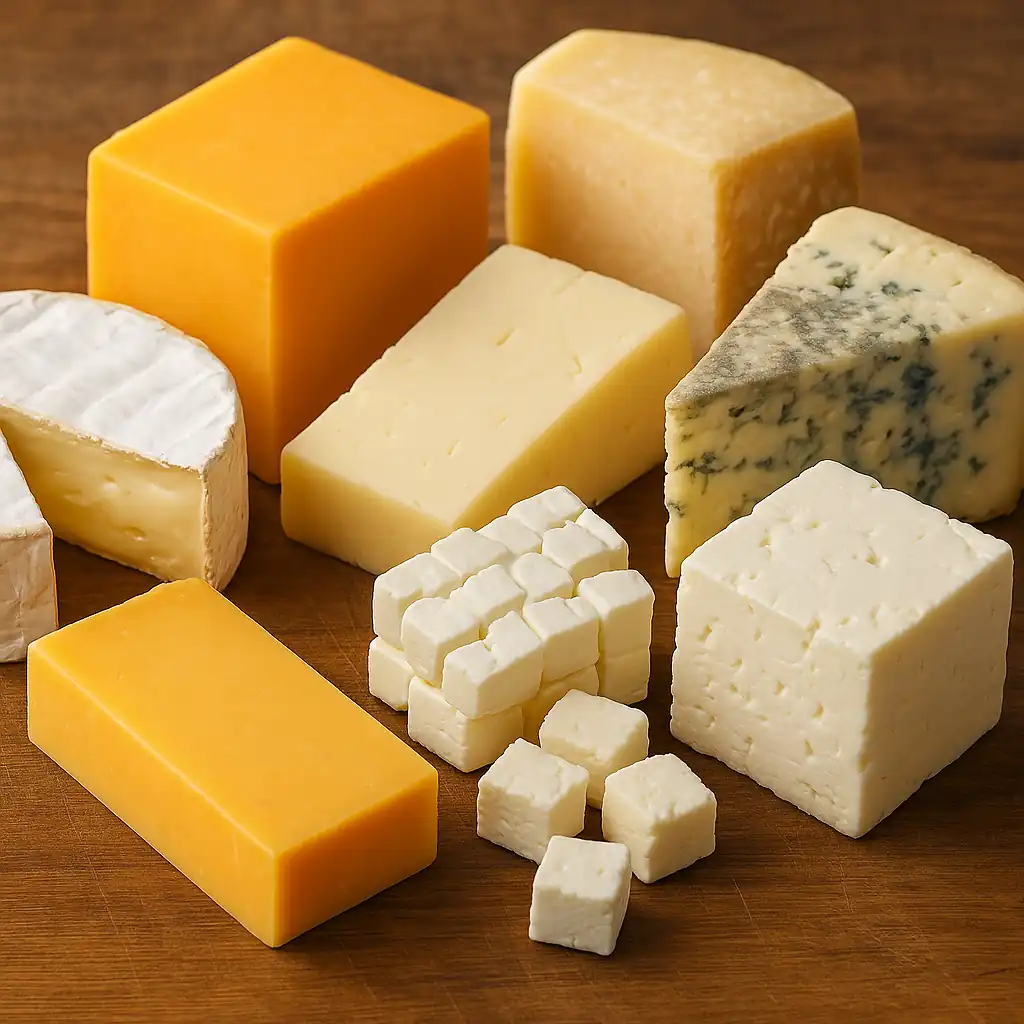
Cheese types vary by texture, milk source, and aging process. For example, fresh cheeses, like Indian paneer or ricotta, are unaged, soft, and mild. Paneer, used in curries, is a staple in South Asian cuisine. These cheeses suit spreads or dishes due to their creamy texture. Additionally, producers make them quickly, ideal for versatile recipes.
Soft cheeses, such as brie or Lebanese labneh, have a velvety texture. For instance, labneh, strained from yogurt, is popular in Middle Eastern dips. Producers age these cheeses briefly to develop rich flavors, perfect with flatbreads. In contrast, their spreadable nature makes them versatile for global cuisines. Soft cheeses bridge traditional and modern tastes.
Hard cheeses, like cheddar or Tibetan chhurpi, age for months or years. For example, chhurpi, a yak milk cheese, is chewed as a snack in the Himalayas. Aging creates firm textures and bold flavors, ideal for grating. A story claims gorgonzola’s mold was an accident in medieval Italian caves. Thus, these cheese types showcase diverse culinary applications.
In contrast, blue cheeses, like gorgonzola, feature safe mold veins for tangy flavor. Milk sources—cow, goat, yak—diversify cheese types further. Producers use goat milk for tangy chèvre or yak milk for robust chhurpi. Each milk type influences flavor and texture, creating variety. Exploring cheese types reveals the creativity of cheese-making worldwide.
Benefits of Cheese
Cheese benefits diets with nutrients like calcium, protein, and vitamins. For example, an ounce of cheddar provides about 20% of daily calcium, strengthening bones. Its protein supports muscle repair, ideal for active lifestyles. Additionally, Middle Eastern labneh offers probiotics for gut health. These cheese benefits make it a valuable dietary addition.
Furthermore, cheese enriches cultural traditions across the globe. In Mongolia, airag cheese is central to nomadic feasts, symbolizing hospitality. In ancient Persia, people used cheese in ritual feasts, enhancing celebrations. For instance, Indian paneer curries and Italian pastas showcase cheese’s versatility. Cheese-making supports rural economies, fostering community pride and heritage.
Psychologically, cheese’s rich taste can boost mood, studies suggest. Moderate consumption may lower heart disease risk due to healthy fats. Moreover, fermented cheeses, like kefir cheese in Central Asia, promote digestion. Cheese benefits extend to social and culinary experiences. Its global appeal makes it a cherished part of daily life.

Production Process
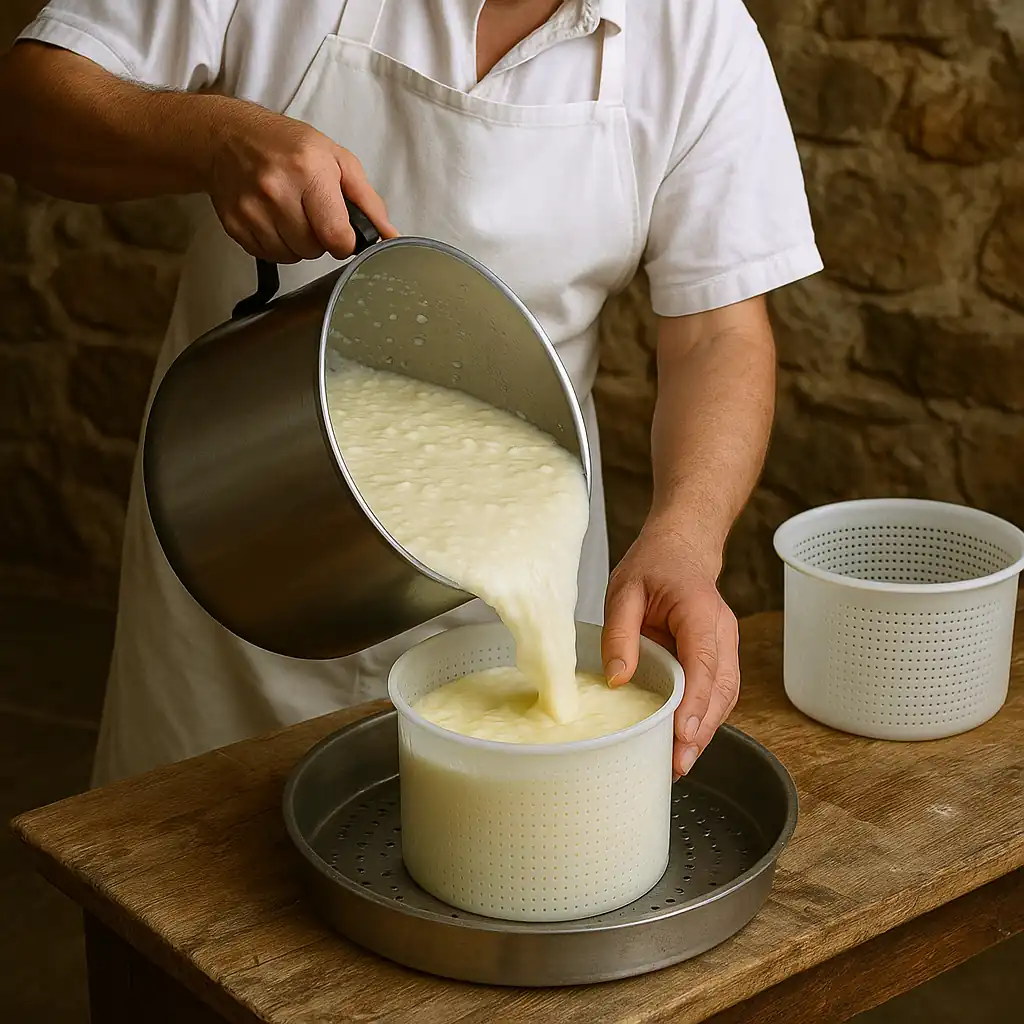
Cheese production begins with milk, often from cows, goats, or yaks. For example, Tibetan artisans boil yak milk for chhurpi, a hard cheese. Factories pasteurize milk to remove bacteria, though some use raw milk for flavor. Next, producers add starter cultures with lactic acid bacteria to ferment the milk. Thus, cheese production creates diverse flavors through this step.
Rennet, an enzyme, coagulates milk into curds and whey. Workers cut, stir, and heat curds to shape texture, from soft to firm. Consequently, they press curds into molds, forming wheels or blocks. In Mongolia, artisans air-dry airag cheese for preservation. Cheese production adapts to regional tastes and traditions.
Next, salting preserves cheese and enhances flavor. For instance, producers brine Middle Eastern labneh or rub salt on hard cheeses. Producers age cheeses, from days to years, in caves or cellars. They control temperature and humidity for consistency. Thus, cheese production balances tradition with precision.
Modern cheese production uses technology for large-scale output. Factories monitor fermentation and aging with sensors for safety. However, artisanal methods, like hand-pressing paneer in India, remain popular. From milking to aging, cheese production is a meticulous craft. Its global variations create a rich tapestry of flavors and techniques.
Leave a Reply