Introduction
Since its creation in 1886, Coca-Cola has transcended its origins as a simple beverage to become a global symbol of connection and joy. The Coca-Cola cultural impact is evident in its ability to unite people across diverse backgrounds, from small-town soda fountains to international festivals. For example, its iconic campaigns have shaped consumer behavior and societal trends, making it a fascinating subject for scientific study. This article explores how Coca-Cola’s strategic innovations and cultural presence have contributed to its enduring success.
Moreover, the Coca-Cola cultural impact extends beyond refreshment, influencing social interactions and global marketing trends. By examining its history, marketing strategies, and health-conscious innovations, we can understand why Coca-Cola remains a leader in the beverage industry. Consequently, this analysis highlights the brand’s role in fostering community and adapting to modern consumer needs.
Historical Context
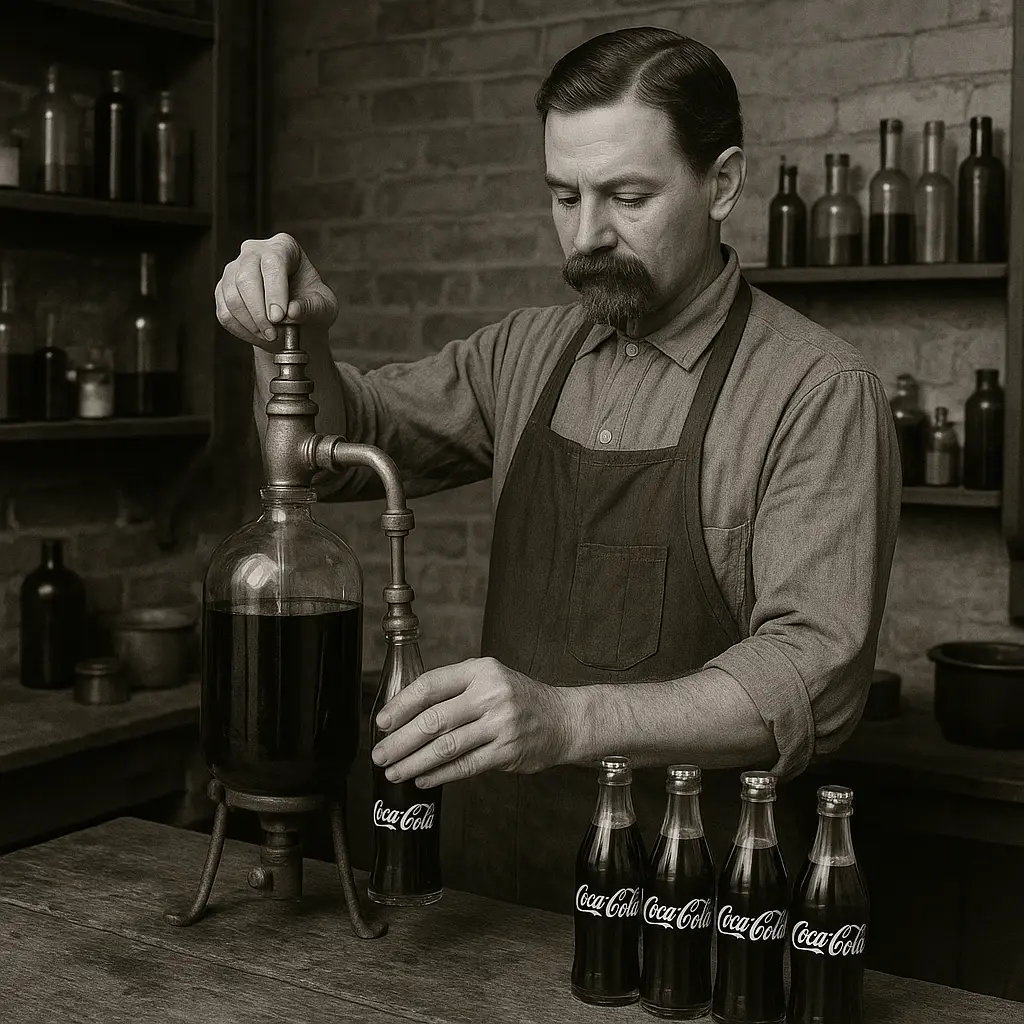
Coca-Cola began in Atlanta, Georgia, when Dr. John S. Pemberton crafted a unique syrup sold for five cents a glass. Initially a local curiosity, it grew rapidly due to strategic partnerships with bottlers, which allowed mass production by the early 1900s. For instance, by 1920, Coca-Cola was available in multiple countries, laying the groundwork for its global Coca-Cola cultural impact. This expansion was driven by a franchising model that empowered local bottlers, ensuring scalability without sacrificing quality.
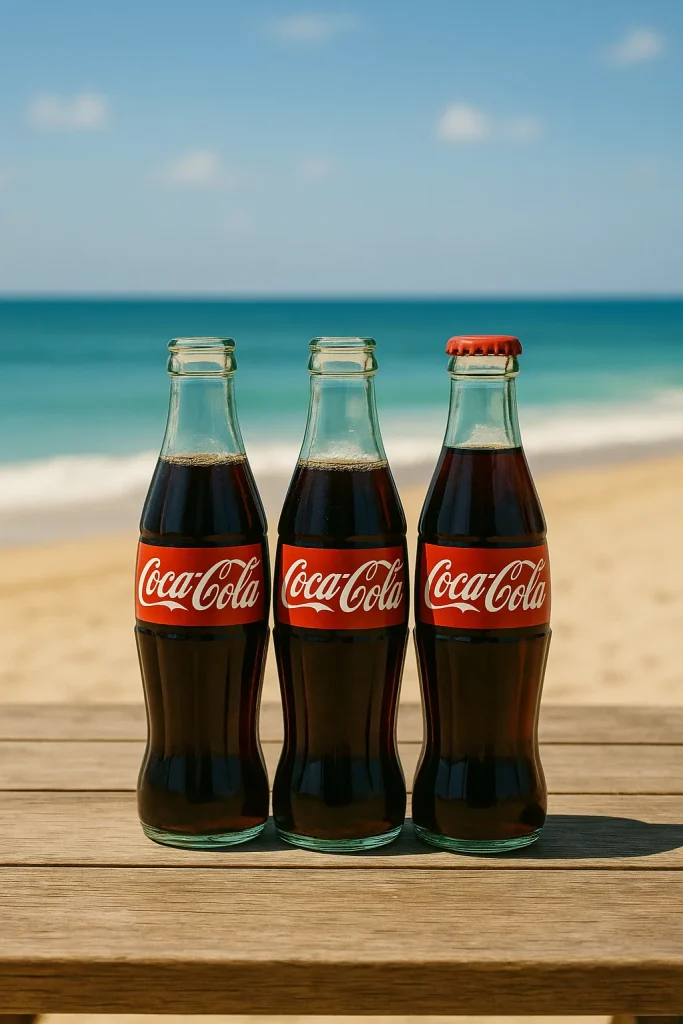
The brand’s early success hinged on its ability to adapt to consumer preferences. During the 1920s, for example, Coca-Cola introduced the iconic contour bottle, designed to be recognizable even in the dark, enhancing its market presence. This innovation helped establish the Coca-Cola cultural impact as a symbol of consistency and familiarity.
Furthermore, Coca-Cola’s alignment with major events, like its sponsorship of the Olympic Games since 1928, amplified its visibility. By associating with moments of global unity, the brand embedded itself in cultural narratives, setting the stage for its modern influence.
Cultural Significance
The Coca-Cola cultural impact is perhaps most evident in its ability to foster social connections. Campaigns like “Share a Coke,” launched in 2011 in Australia, personalized bottles with names, encouraging consumers to share drinks with friends and family. Consequently, this campaign boosted consumption by 7% among Australian young adults and generated over 18 million social media impressions, demonstrating its Coca-Cola social engagement strength.
Moreover, Coca-Cola has tapped into universal themes like togetherness. For example, the 1971 “I’d Like to Buy the World a Coke” campaign featured diverse individuals singing about harmony, resonating globally and reinforcing the brand’s role in cultural unity. This approach continues to shape how people perceive Coca-Cola as a facilitator of shared moments.
Coca-Cola also leverages cultural events to strengthen its presence. For instance, its partnerships with the FIFA World Cup and Christmas campaigns, featuring polar bears since 1993, create emotional connections that transcend borders. However, critics argue that Coca-Cola’s pervasive marketing can sometimes overshadow local traditions, raising concerns about cultural homogenization.
Nevertheless, Coca-Cola balances this by tailoring campaigns to local cultures. For example, in India, it promotes regional festivals, ensuring relevance while maintaining its global appeal. This adaptability enhances the Coca-Cola cultural impact, making it a brand that resonates worldwide.
Marketing and Consumer Connection
Coca-Cola’s marketing innovation has been a cornerstone of its success. For example, the “Real Magic” platform, launched in 2021, emphasizes authentic human connections, aligning with consumer desires for meaningful experiences. This Coca-Cola marketing innovation uses digital channels, with 65% of its 2024 media spend allocated to digital platforms, up from 30% in 2019, allowing real-time engagement with consumers.
Furthermore, campaigns like “Coke Studio,” originating in Pakistan and expanding to 40 markets, use music to connect with younger audiences. By integrating packaging as digital portals for interactive experiences, Coca-Cola marketing innovation keeps the brand relevant in a digital-first world. These efforts enhance consumer engagement and drive brand loyalty.
Coca-Cola also employs advanced analytics to understand consumer preferences. For instance, the Coca-Cola Freestyle machine, updated in 2023 with AI and real-time data, adjusts beverage offerings based on location-specific trends, such as promoting healthier options in gyms. However, critics note that aggressive marketing may encourage overconsumption, particularly among youth, posing potential health risks.
Despite these concerns, Coca-Cola’s focus on culturally relevant campaigns ensures it remains a beloved brand. By blending innovation with emotional storytelling, the brand strengthens its connection with consumers across generations.
Health and Innovation
As consumer preferences shift toward healthier options, Coca-Cola has diversified its portfolio to include low- and no-sugar beverages like Coca-Cola Zero Sugar, which accounted for 30% of its 2023 sparkling drink volume. For example, the reformulated Coca-Cola Zero Sugar, launched in 2017, has driven demand due to its taste similarity to the original, aligning with beverage industry trends toward health-conscious choices.
Additionally, Coca-Cola has ventured into functional beverages, such as vitamin-enhanced waters and plant-based drinks like AdeS. These innovations reflect beverage industry trends prioritizing nutrition, offering consumers options with reduced sugar and added benefits. Consequently, Coca-Cola’s adaptability supports its reputation as a forward-thinking brand.
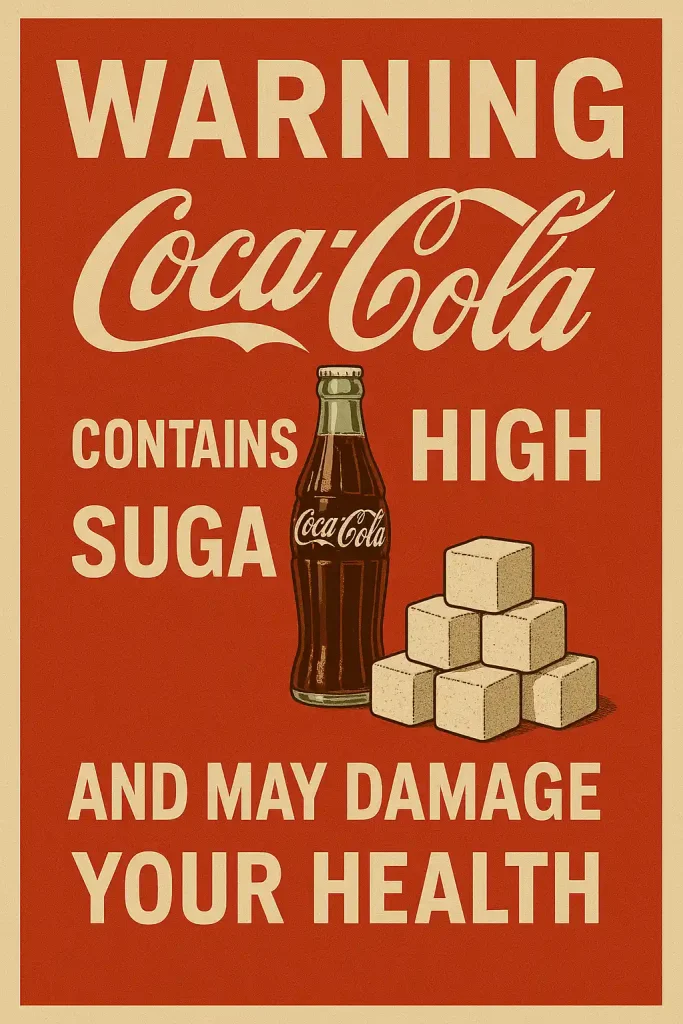
The company also addresses sustainability, a growing consumer concern. For instance, its 2023 Water Security Strategy aims to return 100% of water used in high-risk facilities by 2035, enhancing its environmental impact. However, health advocates caution that sugary drinks still dominate Coca-Cola’s portfolio, potentially contributing to obesity and other health issues.
Nevertheless, Coca-Cola’s efforts to innovate and diversify demonstrate a commitment to balancing consumer enjoyment with responsibility. These steps ensure the brand aligns with modern values while maintaining its iconic status.
Leave a Reply