Introduction
Cow and sheep milk are dietary staples, cherished for their rich taste and nutrition. From creamy cheeses to refreshing drinks, these milks shape global culinary traditions. For example, cow and sheep milk benefits include high protein and calcium, vital for bone health. These dairy products have sustained communities for centuries, from rural farms to urban markets. Consequently, this article explores their history, nutrition, production, and environmental impact. By understanding their roles, we appreciate their value in modern diets.
Moreover, both milks offer unique qualities, yet raise sustainability concerns. Cow milk dominates globally, while sheep milk shines in specialty products like feta. Therefore, cow and sheep milk benefits spark interest among consumers and researchers. Questions about health and environmental impact drive ongoing studies. This article aims to inform readers about these milks’ science and challenges. Let’s dive into their fascinating story.

History of Cow and Sheep Milk
Cow and sheep milk have been consumed since around 8000 BCE. Archaeological evidence from the Middle East shows early domestication of cows and sheep. For instance, ancient Iranian societies used sheep milk for cheese, a key protein source. Cow milk later spread across Europe, shaping diets. Consequently, cow and sheep milk benefits became central to early nutrition. This history reflects milk’s enduring role.
By the Middle Ages, dairy farming advanced in Europe. Farmers in the Netherlands honed techniques, boosting cow milk production. Meanwhile, sheep milk thrived in Mediterranean regions for cheeses like pecorino. These regional differences highlight milk’s cultural diversity. Thus, the history of milk shows varied culinary traditions. Its evolution mirrors human ingenuity in food production.
In the 19th century, industrialization transformed dairy practices. Pasteurization and mechanized milking spread from Europe to New Zealand. However, concerns about cow and sheep milk benefits grew as environmental impacts emerged. Large-scale production raised questions about sustainability. This historical journey underscores milk’s global significance. It remains a cornerstone of diets worldwide.
Nutritional Composition and Benefits
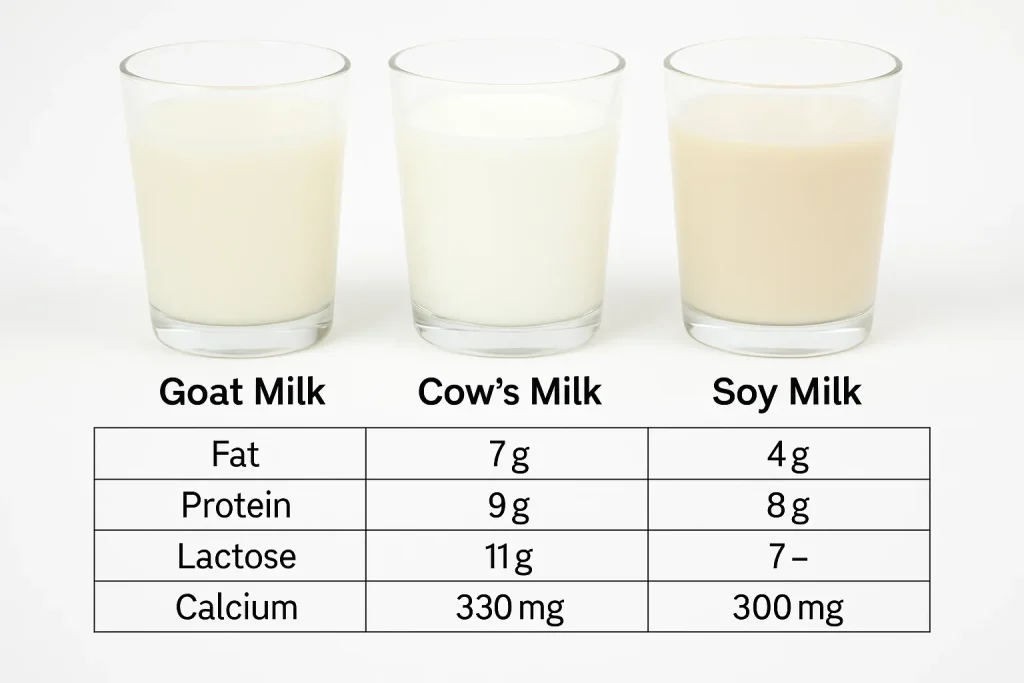
Cow and sheep milk benefits stem from their rich nutritional content. Cow milk has about 3.5% fat, 3.2% protein, and 4.8% lactose per serving. Its high calcium supports bone health, per the Journal of Dairy Science. Vitamins like B12 and D add value. For example, cow milk is a dietary staple globally. These nutrients make it essential for growth.
Sheep milk is denser, with 6% fat and 5.4% protein. Its higher fat provides energy, ideal for cheeses like Roquefort. Moreover, sheep milk contains more conjugated linoleic acid, linked to heart health. Milk nutritional differences cater to diverse needs. Thus, sheep milk suits specialty diets. Its unique profile enhances its appeal.
Both milks offer probiotics in fermented forms like yogurt, aiding gut health. However, lactose intolerance limits benefits for some. Research from the American Journal of Clinical Nutrition suggests sheep milk is easier to digest. Therefore, cow and sheep milk benefits vary by individual. Consumers choose based on health needs. This flexibility makes both milks valuable.
Despite benefits, overconsumption poses risks. For instance, high saturated fat may raise cholesterol if not moderated. Milk nutritional differences guide dietary choices, but balance is crucial. Regular intake should align with health goals. Consequently, cow and sheep milk benefits shine when consumed wisely. Moderation ensures their nutritional advantages.

Production and Processing
The milk production process starts with animal husbandry. Cows and sheep are milked daily using automated systems in modern farms, like those in New Zealand. Milk is cooled and transported to processing plants. For example, cow and sheep milk benefits depend on efficient production to ensure quality. This process delivers fresh, safe milk globally. It supports dairy’s widespread availability.
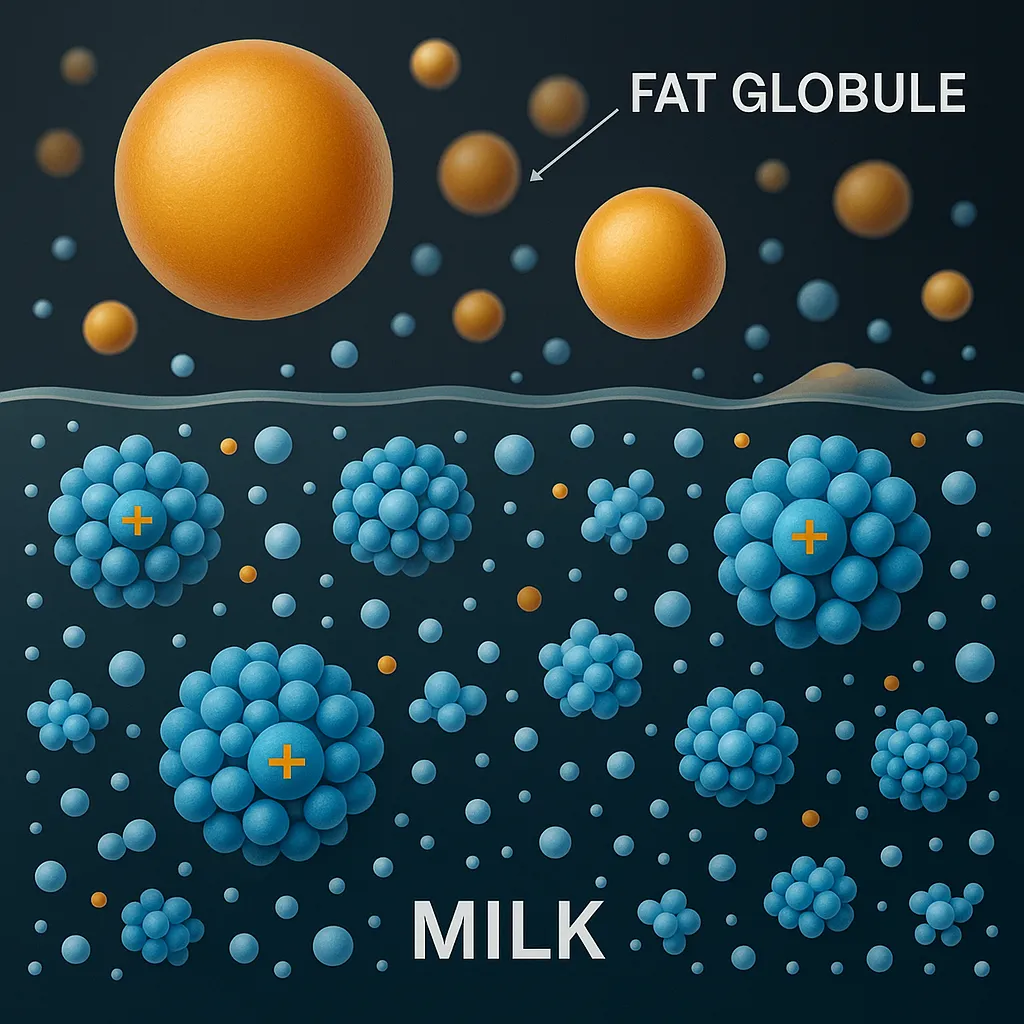
Processing involves pasteurization to eliminate bacteria. Milk is heated to 161°F for 15 seconds, then cooled, per global standards. Homogenization ensures a smooth texture by breaking fat globules. In India, small-scale farms use traditional boiling methods. Thus, the milk production process varies by region. These steps preserve milk’s nutritional value.
Sheep milk production is smaller-scale due to lower yields. In Iran, traditional farms produce sheep milk for premium cheeses. However, higher labor and feed costs make sheep milk pricier. Consequently, its products are often niche. Milk production process efficiency impacts pricing. This affects consumer access to sheep milk.
Environmental concerns arise from dairy farming. For instance, water use and methane emissions from cows challenge sustainability. In the Netherlands, 2022 initiatives cut dairy emissions by 15%. Therefore, sustainable practices enhance cow and sheep milk benefits. Innovation reduces environmental impact. This ensures dairy’s long-term viability.
Environmental and Ethical Considerations
Dairy farming significantly impacts the environment. Cow farming produces methane, contributing to climate change. A 2021 Nature study estimated dairy cows emit 3% of global emissions. Sheep farming has a smaller footprint but affects land use. For example, cow and sheep milk benefits are weighed against these costs. Sustainable dairy practices are needed to balance impacts.
Water usage is a major issue. In India, dairy farms consume millions of liters daily, straining resources in dry areas. Moreover, feed production leads to deforestation in some regions. Consequently, sustainable dairy practices aim to reduce water and land use. These efforts support long-term milk production. Environmental concerns drive industry changes.
Ethical issues involve animal welfare. Intensive farming can stress cows and sheep, raising consumer concerns. In New Zealand, 2023 regulations improved animal conditions. Therefore, supporting ethical farms enhances cow and sheep milk benefits. Ethical practices promote humane treatment. This aligns with growing consumer values.

Leave a Reply