Introduction
Imagine your shoulders relaxing after a tough day. Practical stress relief strategies offer simple ways to ease tension, helping you face life’s challenges with calm. A 2022 survey of 1000 adults found 25% deal with chronic stress, but techniques like deep breathing can shift your mindset. From a quick stretch to a chat with a friend, these tools are within reach. Let’s explore how you can build a less stressful life.
“Stress is part of life, but we can manage it,” says psychologist Kelly McGonigal. These strategies blend science and everyday habits, offering paths to relaxation. Used in schools, workplaces, and homes worldwide, they boost health and focus. This article traces their roots, methods, benefits, and impacts, showing how small steps lead to big calm.
Roots of Stress Research
In 1936, Hans Selye’s rat experiments sparked stress management history by defining stress as the body’s reaction to pressure. His work showed stress could exhaust organs, launching global studies. Practical stress relief strategies grew from this foundation. Early researchers struggled to pinpoint stress’s effects, as human responses varied widely.
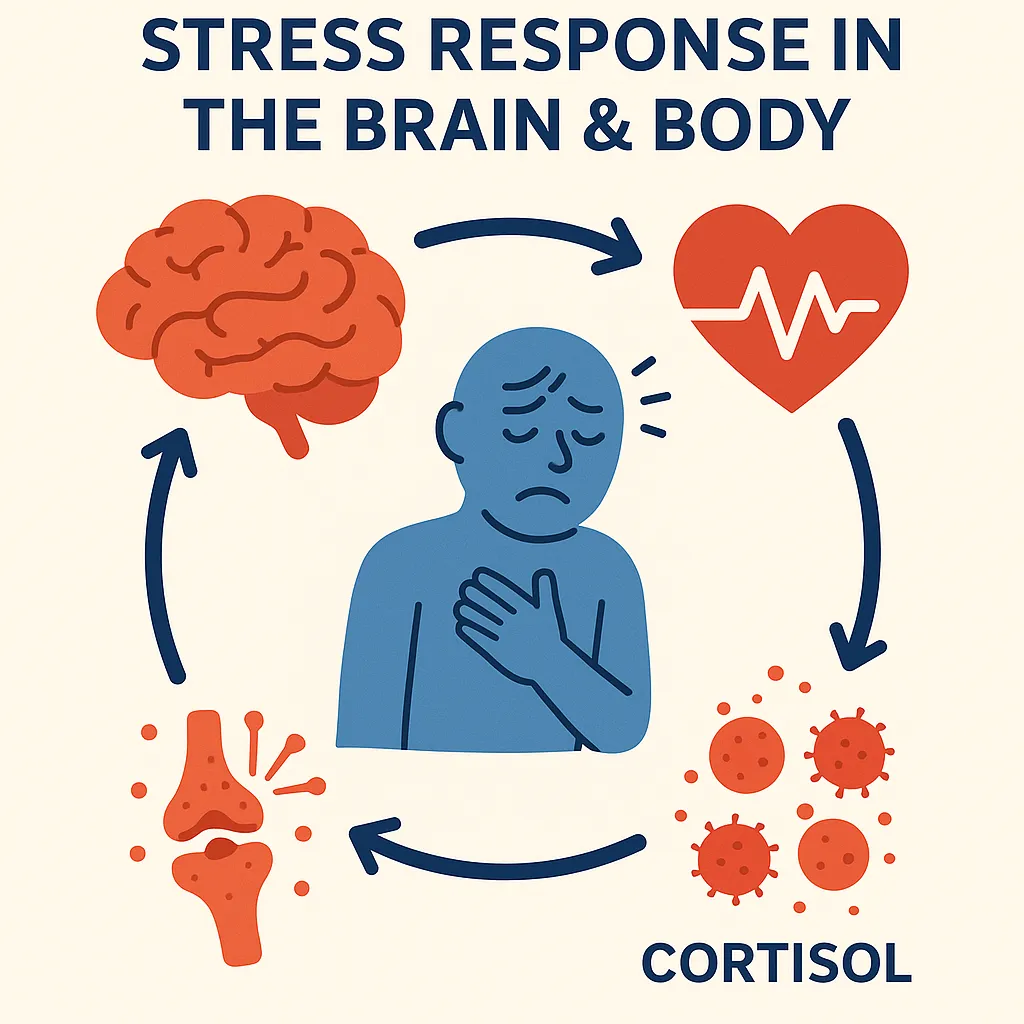
By the 1950s, scientists linked stress to a “fight-or-flight” rush, a key moment in stress management history. Walter Cannon’s research on 200 subjects tied cortisol spikes to stress, published in a 1955 journal. Labs in the U.S. and Europe began testing stress hormones. These findings fueled the push for stress relief techniques, revealing stress’s toll on heart health.
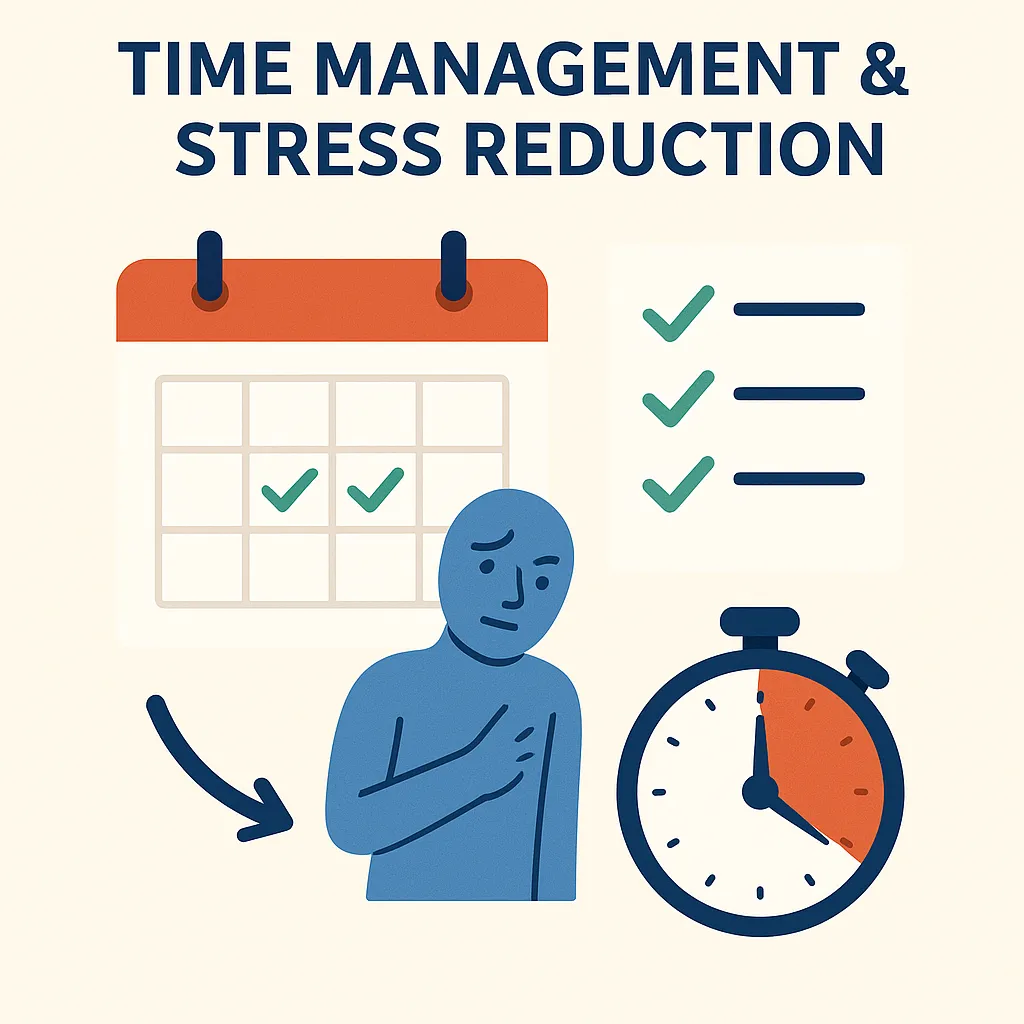
By the 1970s, stress hit the mainstream. A 1978 study of 500 workers found 30% faced job stress, spurring workplace wellness programs. Early trials with 300 participants showed meditation cut cortisol by 15–20%. These efforts shaped how we view stress relief techniques, paving the way for today’s practical tools.

Stress Relief Techniques
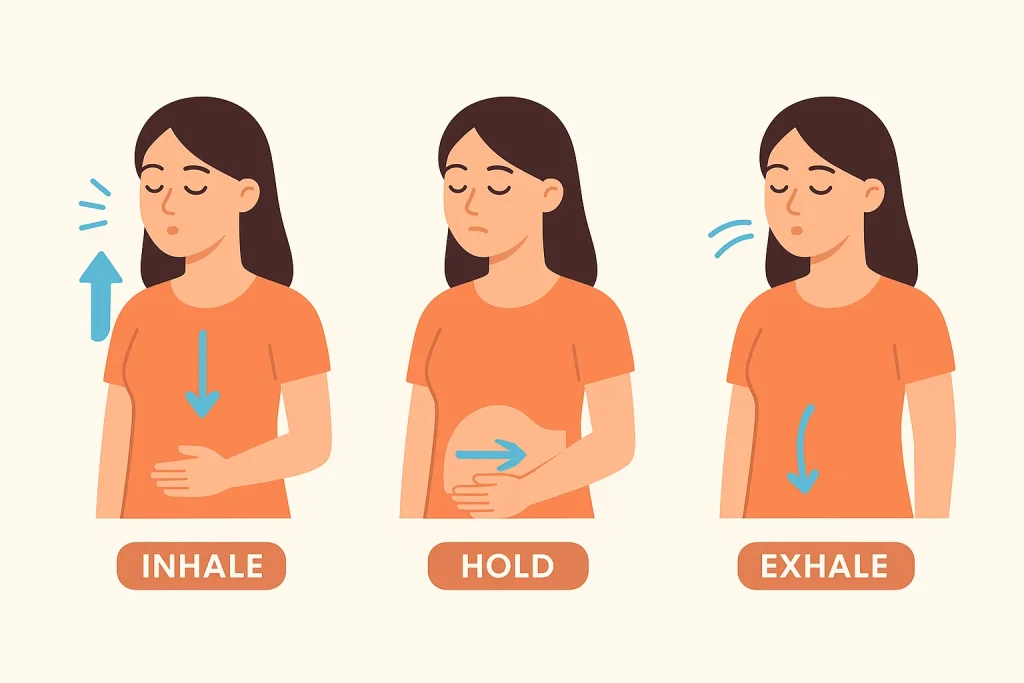
Imagine exhaling your worries after a long day. Practical stress relief strategies include mindfulness, where a 2023 study of 500 adults found 20 minutes daily reduced anxiety by 50–60%. The 4-7-8 breathing method, exhaling for eight seconds, calms your heart rate instantly. These stress relief techniques need only a quiet corner to work.
A 2021 trial on 400 people showed 30 minutes of jogging lifted mood for 65% of participants. Time management, like using to-do lists, cut overwhelm by 35% in a 2022 study of 300 students. Yet, stress coping challenges, such as carving out time, trip up 20% of beginners. These strategies thrive when built into small daily habits.
Social support makes a difference, too. A 2023 survey of 600 people found talking to friends lowered stress hormones by 20–25%. Apps like Calm guide users through meditation, with 10 million downloads by 2024. These stress relief techniques, from yoga to journaling, let you tackle stress anywhere.
Benefits of Stress Management
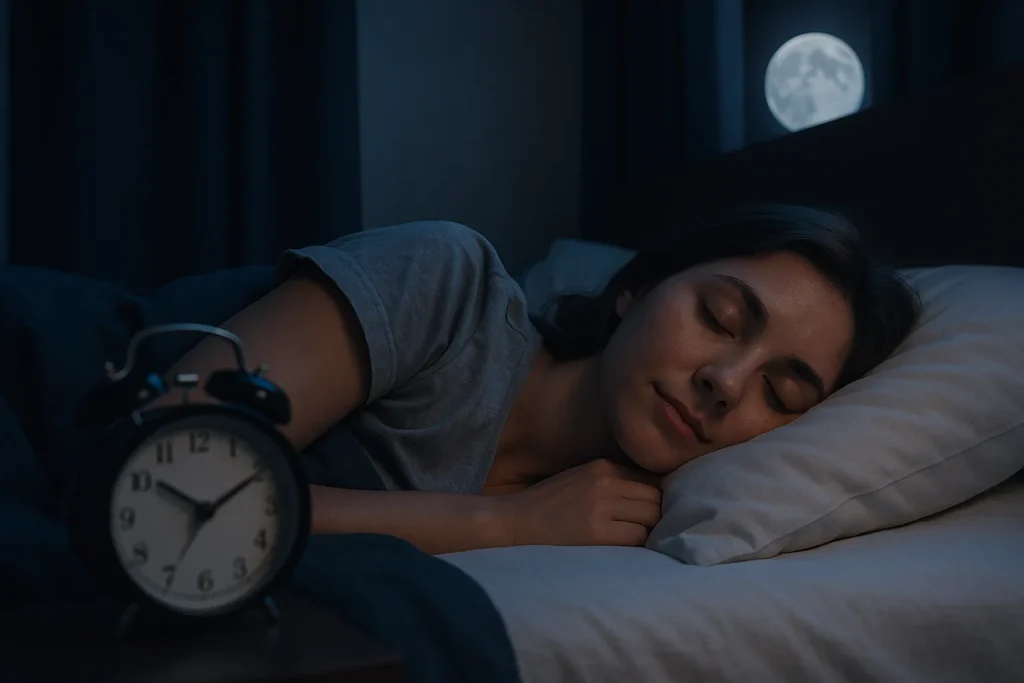
A 2021 study of 200 people found meditation improved sleep for 25–35% of participants. Benefits of stress management include sharper focus, with a 2022 trial on 250 workers showing 60% better concentration after mindfulness. These strategies lift mood, with 45% of users in a 2023 study feeling happier after two weeks.
Regular exercise, like walking, cut depression risk by 15–20% in a 2024 study of 400 adults. Improved productivity, seen in 60% of those using time management in a 2022 survey, boosts work and school. Still, stress coping challenges, like staying consistent, slow 25% of users. Benefits of stress management grow with steady practice.
Health gains stand out. A 2023 analysis of 300 people showed stress relief lowered blood pressure by 8–10%. Wellness programs in schools, studied in 2021 with 500 students, cut burnout by 35%. These perks show how these strategies build a stronger, happier you over time.
Social and Cultural Impacts
“Calm minds build stronger teams,” says wellness coach Jon Kabat-Zinn. Practical stress relief strategies reduce workplace stress by 30%, per a 2023 study of 400 employees. In fast-paced cultures like South Korea or the U.S., apps like Headspace reached 15% of adults by 2024, showing the cultural impact of stress relief.
Community yoga classes, like those in New York’s parks, boost connection, with 75% of 200 participants in a 2022 survey feeling less lonely. Yet, stress coping challenges, like mental health stigma, block 10% of people in some regions. Meditation and exercise are weaving into daily life, reshaping cultural norms.
Global campaigns push stress relief forward. Australia’s R U OK? Day, studied in 2023 with 1000 people, cut loneliness by 20%. Overuse of apps concerns experts, with 12% of users in a 2024 study relying solely on digital tools. Practical stress relief strategies link personal peace to stronger communities.
Leave a Reply