Introduction
Ever wonder why a great song or a bite of chocolate makes you grin? The dopamine and happiness connection is the secret, as this brain chemical surges during joyful moments. Discovered in 1957, dopamine zips through your brain, signaling pleasure and pushing you to chase more. From scoring a goal to laughing with friends, it’s the spark behind those good vibes. Let’s dive into why dopamine lights up our lives.
“Dopamine drives our urge to feel good,” says neuroscientist Nora Volkow, summing up its power. The dopamine and happiness connection links biology to the thrills of daily life, shaping habits and health. Found in tiny amounts in your brain, it powers everything from motivation to medicine. This article traces dopamine’s story, from its discovery to its role in making us smile and beyond.
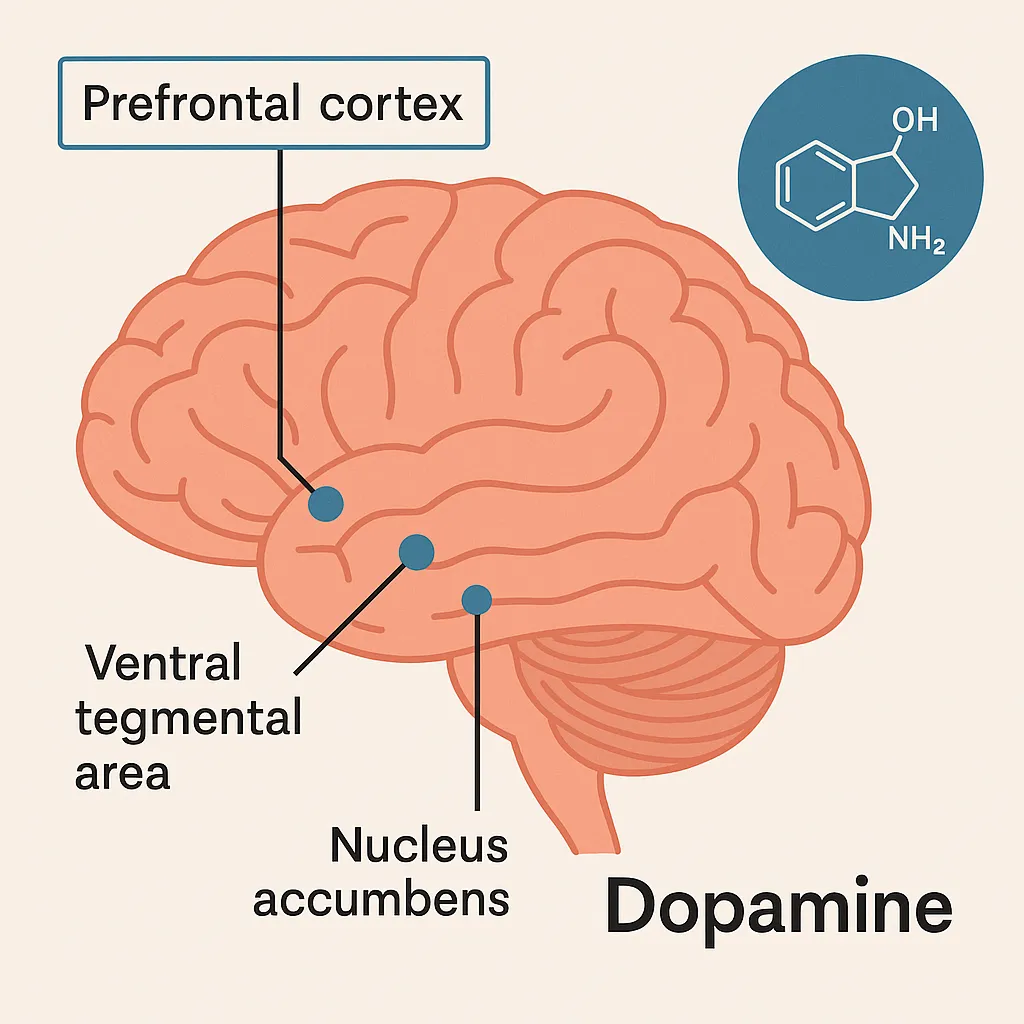
Roots of Dopamine’s Discovery
Can one lab test rewrite brain science? In 1957, Swedish scientist Arvid Carlsson kicked off dopamine discovery history by proving it’s a neurotransmitter, not just a sidekick to adrenaline. His experiments with rabbits showed dopamine’s role in movement, earning him a Nobel Prize in 2000. This finding launched the dopamine and happiness connection, tying it to mood. Early labs, though, struggled to spot its faint traces.
Why did scientists miss dopamine at first? Until the 1950s, they thought it was just a step toward making norepinephrine. In 1958, Kathleen Montagu confirmed dopamine in human brains, a key moment in dopamine discovery history. Researchers in Europe and the U.S. rushed to explore its effects. These steps revealed dopamine’s power to influence joy, from a favorite tune to a warm hug.
By the 1960s, dopamine’s link to Parkinson’s disease emerged. Carlsson found low dopamine caused shaking, spurring new drugs. This work shaped our view of dopamine brain functions, showing it controls both muscles and the thrill of a game-winning shot.
Dopamine’s Role in the Brain
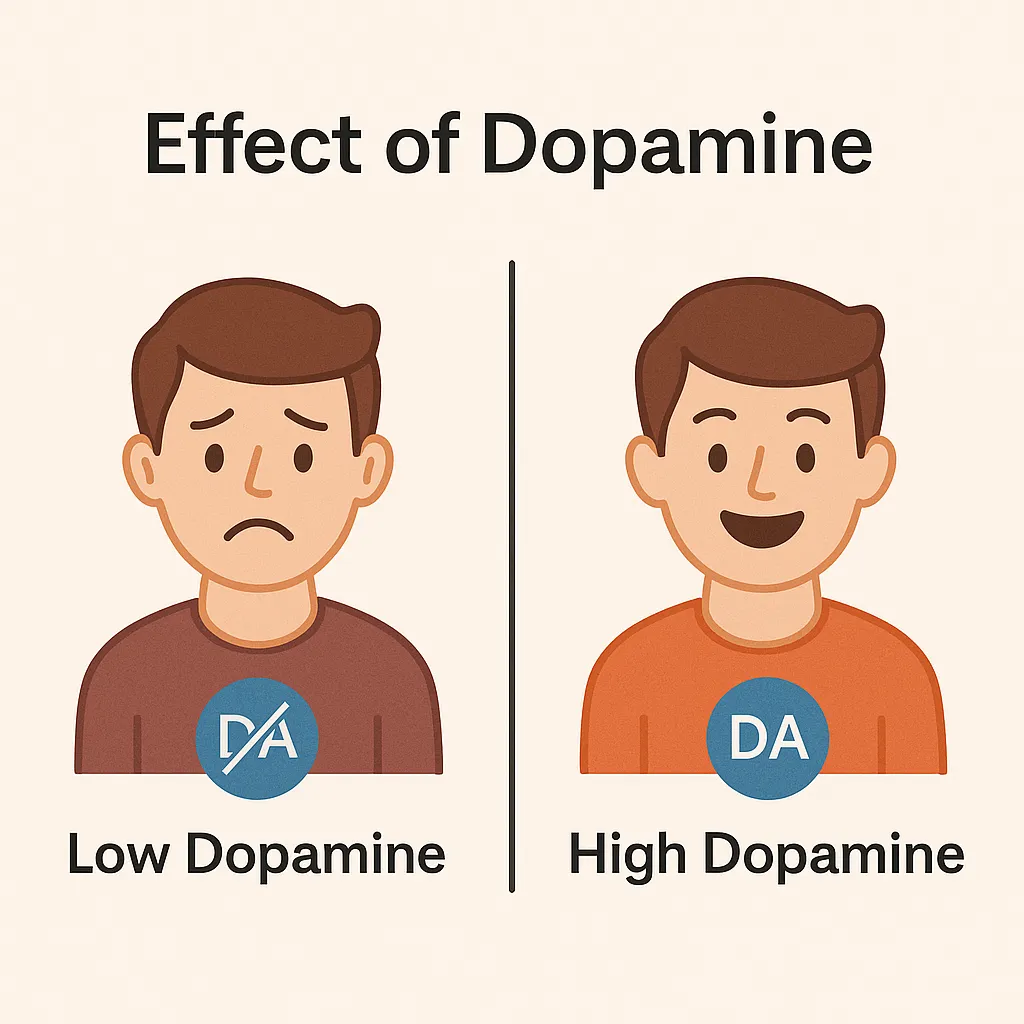
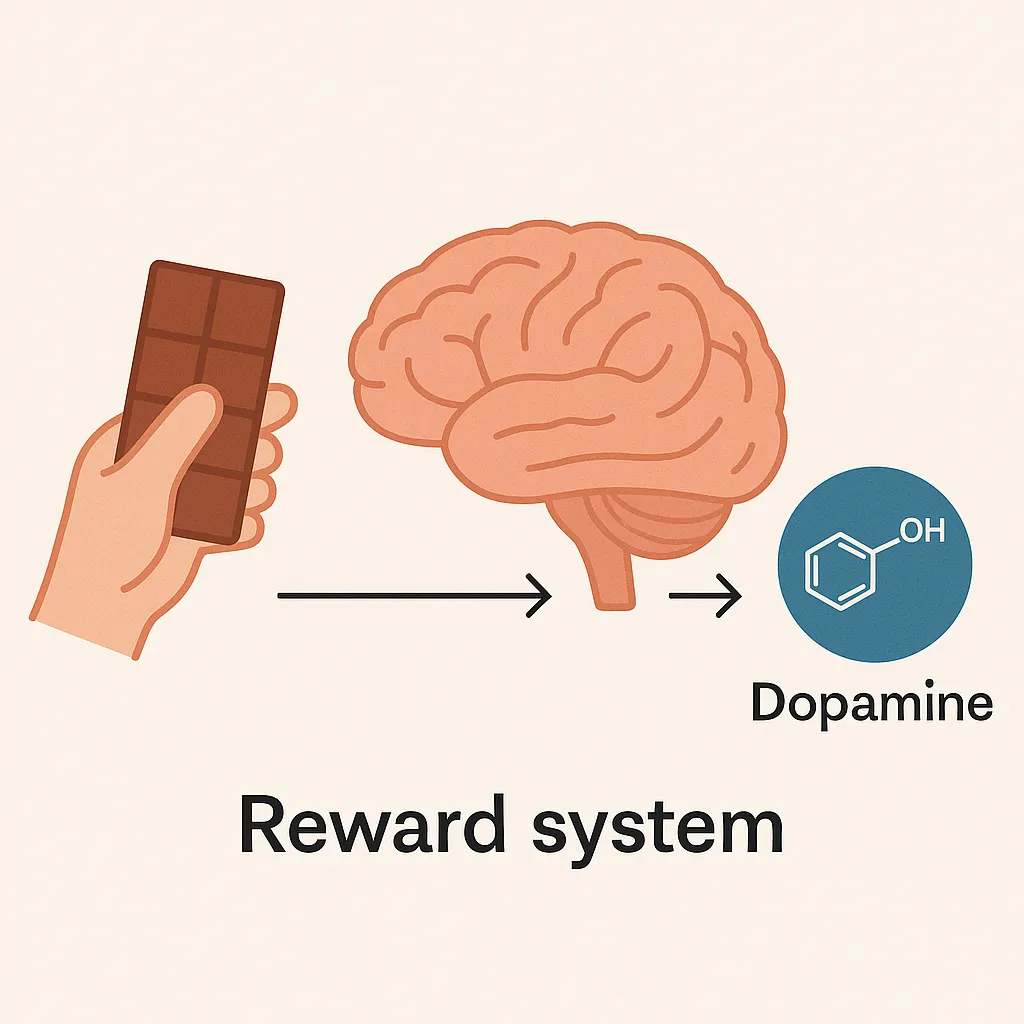
Picture your brain glowing after nailing a test. Dopamine brain functions power the reward system, spiking 20–30% during fun activities like eating ice cream or dancing. This rush creates the dopamine and happiness connection, telling your brain, “This is awesome—do it again!” It’s why you crave another slice of pizza or keep practicing a tricky skate trick.
Why does dopamine feel so uplifting? It flows through the mesolimbic pathway, tying joy to actions. Laughing with friends can boost dopamine by 50%, studies show. But dopamine regulation challenges pop up when levels swing too far, causing issues like addiction or low mood. The dopamine and happiness connection needs balance to keep the good vibes steady.
Dopamine also sharpens focus and learning. When you master a new skill, a dopamine hit locks in the habit. Yet, overdoing it with things like video games can dull natural highs, with 15% of gamers showing overuse signs. These dopamine brain functions highlight its role as both a joy-bringer and a tricky balance act.
Medical Applications of Dopamine
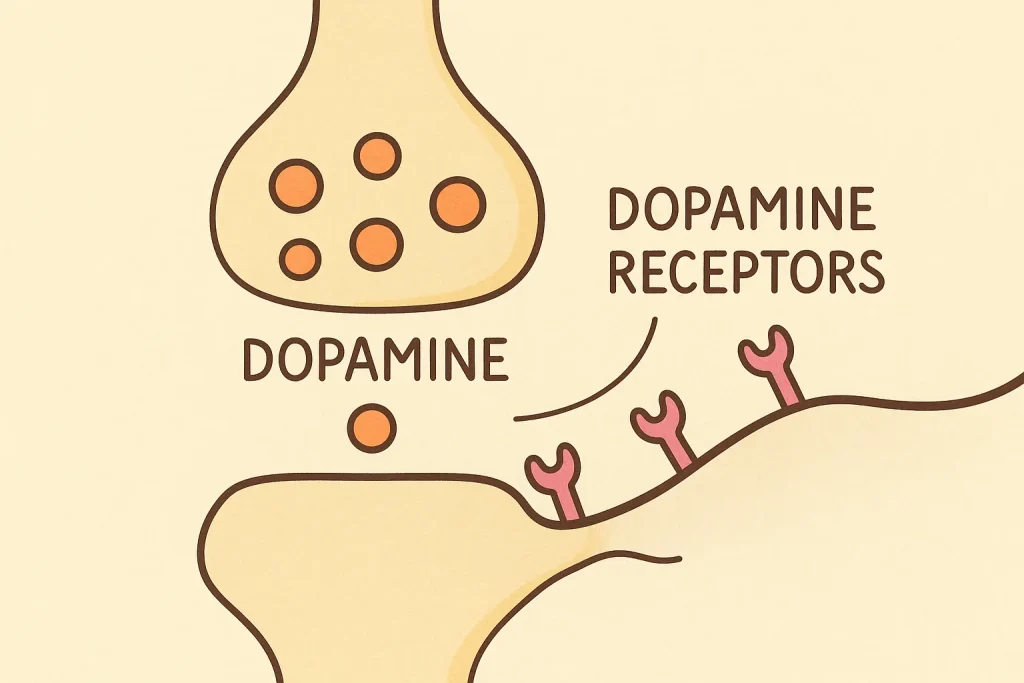
What if a chemical could steady trembling hands? Dopamine medical applications soared in the 1960s with L-DOPA, a drug that ramps up dopamine to ease Parkinson’s symptoms, cutting tremors by 50% for 1–2% of the population affected. This advance, part of the dopamine and happiness connection, also boosts mood in patients. Clinics worldwide now use it to help millions.
Could dopamine lift mental fog? By the 1980s, drugs tweaking dopamine receptors, like SSRIs, helped 70% of depression and schizophrenia patients feel better. These dopamine medical applications fine-tune brain signals, though dopamine regulation challenges, like side effects of impulsivity or nausea, demand careful dosing. Doctors adjust treatments to avoid these pitfalls.
Today, dopamine fuels addiction research. Drugs like bupropion cut cravings for 30% of patients, while brain scans map dopamine flow for tailored care. These efforts show how the dopamine and happiness connection stretches from labs to recovery, helping people regain control despite complex challenges.
Social and Cultural Impacts
“Dopamine fuels our chase for wins,” says psychologist Susan Weinschenk, linking it to modern life. The dopamine and happiness connection shapes behaviors, from chasing likes online to celebrating a team victory. In high-achievement cultures like Japan or the U.S., dopamine spikes 40% during goal-driven tasks, driving ambition. This chemical molds how societies value success and reward.
This urge weaves into daily life. Events like Brazil’s Carnival spark dopamine through dance and music, bonding communities. Yet, dopamine regulation challenges arise as social media boosts dopamine 60% above normal, hooking 10% of users into addictive patterns. The cultural impact of dopamine lies in finding a sweet spot between fun and overdrive.
Globally, dopamine’s role in mental health gains attention. Campaigns like World Mental Health Day spotlight low dopamine in depression, pushing for better therapy access. Meanwhile, overuse from gaming worries experts, with 20% of teens showing signs of imbalance. The cultural impact of dopamine reflects a global dance between instant thrills and lasting joy.
Leave a Reply