Introduction
Apple quality decline has sparked debates among consumers. Once a symbol of freshness, apples changed over time. Thus, their taste and texture often disappoint today. Processing and modern farming played a role in this shift. In addition, apples lost diversity and flavor since the 1900s. As of May 2025, many notice these changes. This article explores apple quality decline through history. It covers origins, farming shifts, processing impacts, and solutions. Consequently, you’ll understand why apples aren’t the same.
Apples began as wild fruits in Central Asia. Their journey spans thousands of years. However, industrial practices altered their essence. Also, 1 bushel of apples weighs about 48 pounds. You’ll see how apple quality decline affects us all. What happened to their taste? Let’s dive into the story.
Apple History Timeline: From Wild to Cultivated
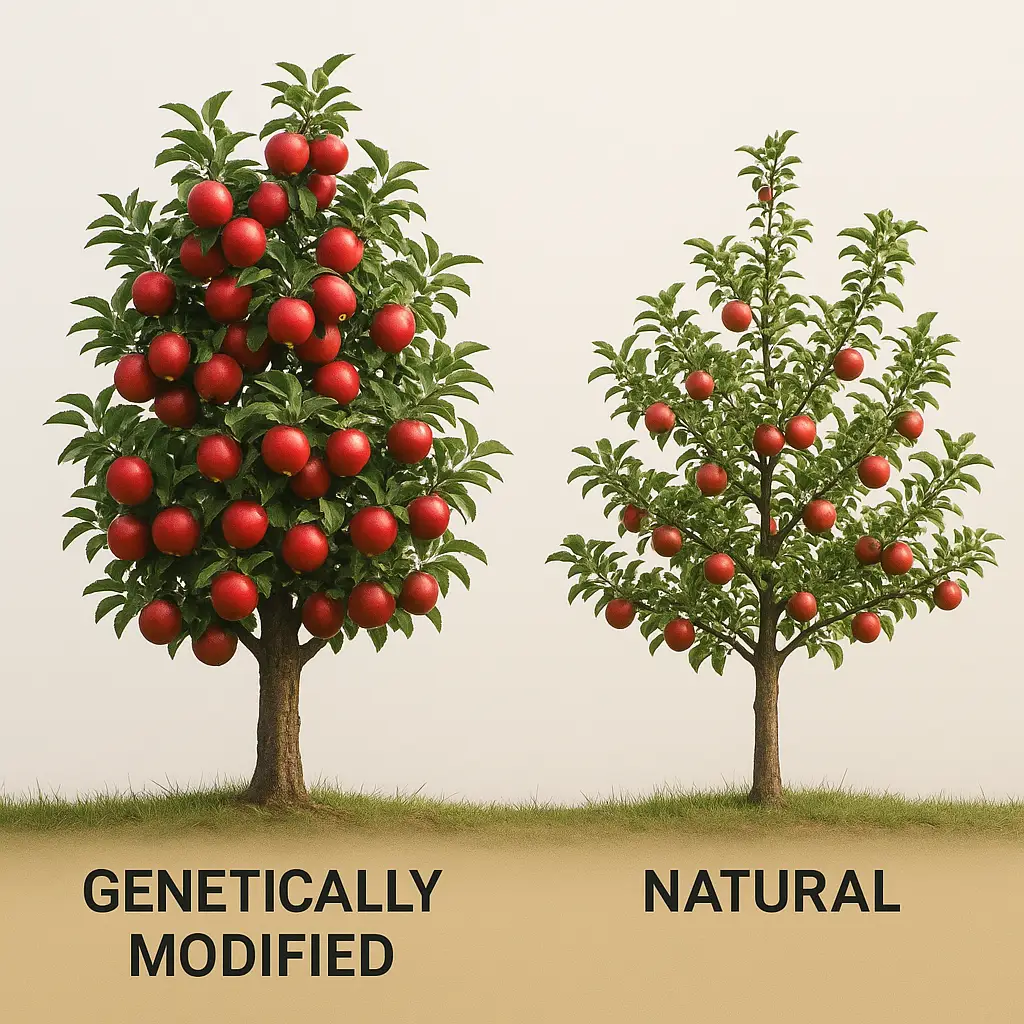
Apple history timeline starts over 4,000 years ago. Wild apples, or Malus sieversii, grew in Kazakhstan. Therefore, they were small, sour, and varied in taste. Traders spread them along the Silk Road by 2000 BCE. In addition, Greeks and Romans cultivated apples by 300 BCE. They selected sweeter varieties through grafting. Moreover, apple history timeline shows early diversity. Over 10,000 varieties existed globally by the 1800s.
In North America, apples arrived with settlers in the 1600s. Johnny Appleseed planted orchards across the US in the 1800s. Thus, apples like Baldwin and McIntosh became popular. However, most were used for cider, not eating. Also, orchards focused on unique flavors. Apple history timeline reflects a time of rich biodiversity. This set the stage for later changes.

Modern Apple Farming: The Shift to Mass Production
Modern apple farming began in the early 1900s. Farmers prioritized uniformity over flavor. Therefore, varieties like Red Delicious dominated by the 1920s. These apples looked perfect but tasted bland. In addition, selective breeding focused on shelf life. This marked the start of apple quality decline. Moreover, by 1950, only a few varieties remained. Over 7,000 heritage apples vanished.
Industrial farming scaled up after World War II. Chemical pesticides and fertilizers increased yields. Thus, the US produced 5.2 million tons yearly by 2024. However, soil health suffered from monoculture. Also, apples were bred for transport, not taste. Modern apple farming ignored diversity for profit. Consequently, apple quality decline became noticeable. Consumers missed the old flavors.
Apple Quality Decline: Processing and Flavor Loss
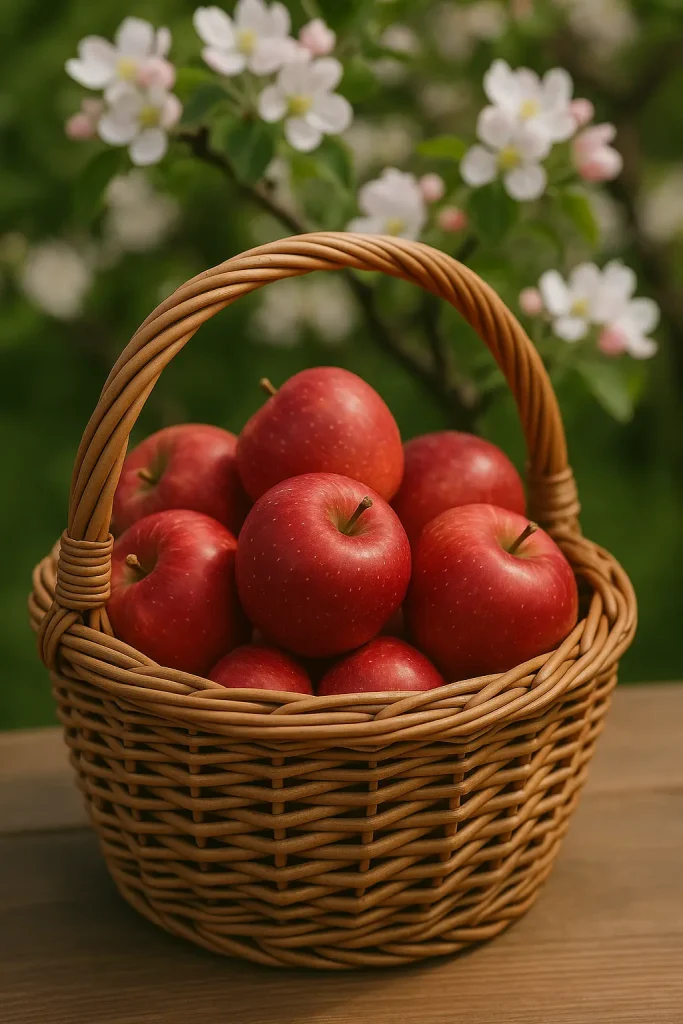
Apple quality decline worsened with processing in the 1900s. Cold storage extended shelf life up to a year. Therefore, apples lost crispness and sweetness over time. Wax coatings, introduced in the 1930s, preserved appearance. In addition, these coatings trapped pesticides on the skin. This affected taste and raised health concerns. Moreover, processed apple products surged by the 1950s. Juice, sauce, and pies used lower-quality apples.
Flavor suffered from early harvesting practices. Apples were picked unripe for storage. Thus, they never developed full sweetness. Also, varieties like Red Delicious became mealy. Apple flavor issues grew as sugar levels dropped. Studies show a 30% flavor loss since 1970. Furthermore, consumers noted a waxy, bland taste by 2025. Apple quality decline reflects a focus on looks over taste.

Apple Flavor Issues: Causes and Consumer Impact
Apple flavor issues stem from modern practices. Breeding for appearance ignored taste profiles. Therefore, Red Delicious became a symbol of disappointment. Gala and Honeycrisp also lost depth over time. In addition, long storage reduced natural sugars. This left apples tasting watery and dull. Moreover, pesticide residues altered flavors subtly. A 2023 study found 90% of apples had residues.
Consumers noticed apple flavor issues by the 2000s. Many turned to farmers’ markets for better options. Thus, heritage varieties like Cox’s Orange Pippin gained fans. However, these apples cost more, up to $3 per pound. Also, processed apples dominated supermarkets. Apple quality decline frustrated buyers seeking nostalgia. Consequently, the industry faced pressure to change. People wanted flavor, not just looks.
Leave a Reply