Introduction
The history of trains reflects humanity’s quest for efficient transportation. From early steam locomotives to sleek high-speed rail, trains transformed societies. For example, Japan’s Shinkansen carries millions annually at 320 km/h. This article explores trains’ origins, expansion, technological advancements, and global impact. Challenges like environmental costs, however, shape their legacy. The history of trains showcases innovation and connectivity. Their evolution mirrors industrial and social progress.
Railways revolutionized trade, travel, and urbanization. Technological leaps, like electrification, redefined mobility. Trains’ economic and cultural roles span centuries. Historical evidence, therefore, highlights their significance. This analysis traces milestones and obstacles in rail history. Understanding the history of trains reveals their enduring role in global development.

Origins of Railways
The origins of railways trace back to early transport innovations. In the 16th century, wooden tracks guided horse-drawn carts in European mines. By 1804, Richard Trevithick built the first steam locomotive, hauling 10 tons in Wales. These experiments, though limited, sparked a transport revolution. For instance, steam power outperformed animal labor. The history of trains began with these pioneering efforts. Early railways laid the foundation for industrial growth.
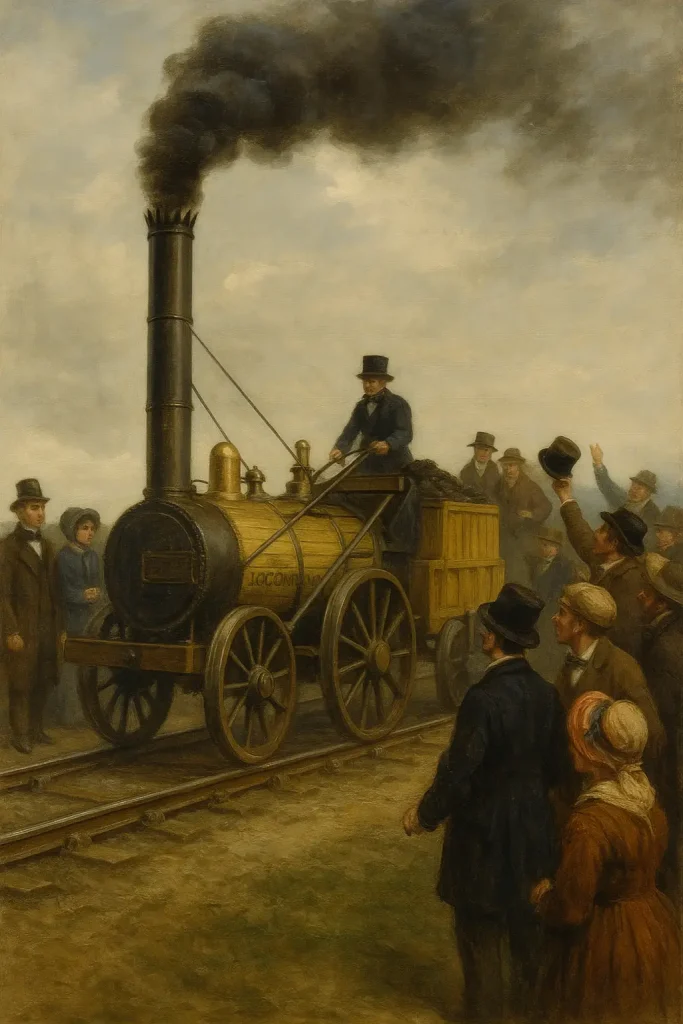
In 1825, George Stephenson’s Locomotion No. 1 operated on the Stockton-Darlington Railway, the first public steam railway. By 1830, the Liverpool-Manchester line introduced passenger services, reaching 50 km/h. Steam locomotives were refined for reliability and power. The origins of railways transformed commerce and mobility. Early systems, however, faced technical limits like track instability. These challenges drove further innovation.
Railways emerged from industrial needs. Factories demanded efficient coal transport, spurring rail development. Social enthusiasm, for example, fueled investment in early lines. Historical records show rapid adoption across Britain. These early railways shaped economic landscapes. The history of trains reflects a pivotal shift in transportation.
Expansion of Railways
The 19th century marked explosive railway growth. Britain’s network expanded to 10,000 miles by 1850, linking cities and ports. The 1869 Transcontinental Railroad in the U.S. connected coasts, boosting trade. Railways, for instance, cut travel times from months to days. This expansion fueled industrial economies. The history of trains underscores their role in global connectivity. Rail networks became symbols of progress.
Railways drove urbanization and migration. In India, British colonial railways, built by 1853, moved goods and troops, shaping regional economies. However, construction costs and labor exploitation raised ethical concerns. Rail systems were built with immense human effort. Expansion faced challenges like rugged terrain and funding. These obstacles tested engineering ingenuity. Railways’ growth reshaped societal structures.
Railway mania sparked speculative investments, especially in Britain during the 1840s. Boom-and-bust cycles led to financial crises, yet networks endured. Passenger travel, for example, became accessible to the working class. Railways’ expansion was driven by economic demand. Their legacy lies in enabling mass mobility. The history of trains reflects this transformative era.
Technological Advancements in Railways
Technological advancements in railways shifted trains from steam to electric power. By the 1880s, electric railways emerged, with Germany’s 1895 Berlin line as a pioneer. Electric trains offered efficiency and reduced emissions compared to steam. For instance, urban trams adopted electrification rapidly. These innovations improved reliability and speed. The history of trains owes much to electrification. Modern trains evolved through such technological leaps.
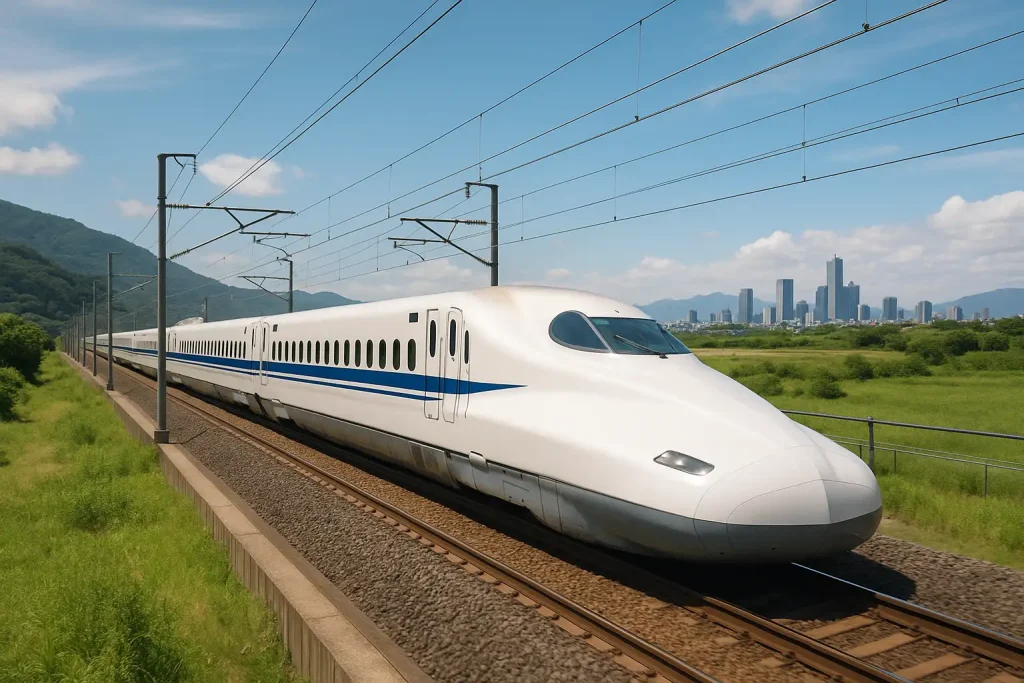
High-speed rail redefined long-distance travel. Japan’s Shinkansen, launched in 1964, reached 210 km/h, connecting Tokyo and Osaka. By 2020, China’s high-speed network spanned 35,000 km, hitting 350 km/h. Magnetic levitation (maglev) trains, like Shanghai’s 2004 line, achieved 600 km/h. Technological advancements in railways enhanced global mobility. High costs, however, limit widespread adoption. Speed remains a hallmark of rail innovation.
Digital technologies improved safety and efficiency. Computerized signaling, introduced in the 1980s, reduced collisions, while GPS tracking optimized routes. Automated trains, like those in Singapore’s metro, minimized human error. These systems, for example, boosted passenger trust. Digital advancements balance efficiency with safety. Resistance to automation, citing job losses, persists. Railways navigate these tensions to advance.
Economic and environmental challenges shape rail technology. Wealthy nations fund high-speed projects, while developing regions rely on older systems. Green technologies, like hydrogen trains in Germany (2018), aim to cut emissions. Yet, construction impacts ecosystems, sparking debate. For example, high-speed rail projects face protests over land use. The history of trains reflects technology’s transformative yet complex role. Future advancements aim for sustainability.

Global Impact of Railways
Railways catalyzed economic growth worldwide. In the 19th century, they enabled mass transport of goods, lowering costs. The U.S. rail network, for instance, fueled westward expansion, driving agriculture and industry. By the 20th century, railways supported global trade networks. Economic impacts were profound, creating jobs and markets. Railways’ global influence reshaped commerce. Their legacy endures in modern logistics.
Urbanization accelerated with rail networks. Train stations became city hubs, spurring growth in London and Mumbai. Commuter lines, like New York’s 1904 subway, shaped urban lifestyles. Social mobility increased as rural populations accessed cities. Cultural exchanges, for example, flourished via rail travel. Railways’ global impact transformed societal structures. Connectivity remains their hallmark.
Commercialization brought challenges. By the 21st century, rail infrastructure costs strained budgets, with projects like California’s high-speed rail exceeding $100 billion. Privatization, as in Britain’s 1990s, led to service disparities. Competition from air and road travel reduced rail’s dominance. Modern trains, however, offer eco-friendly alternatives. Economic pressures shape rail’s global role. Sustainability drives its revival.
Environmental and social issues persist. Railways emit less carbon than planes, yet diesel trains pollute. Electrification and hydrogen trains address this, but adoption lags. Social inequities, like access to rural rail, remain. For instance, high-speed lines often prioritize urban elites. Railways’ global impact, though transformative, faces scrutiny. Addressing these ensures their inclusive future.
Leave a Reply