Introduction
Gold, a precious metal prized for its beauty and rarity, has fascinated humanity for millennia. But how gold is formed in the universe remains a captivating scientific mystery. This element, with the atomic number 79, originates in the hearts of stars and travels through cosmic events to reach Earth. Over billions of years, geological processes concentrate gold into deposits we mine today. As of April 2025, advances in astrophysics and geology have deepened our understanding of this journey. This article explores how gold is formed, from its cosmic origins to its presence in Earth’s crust, revealing the extraordinary processes behind this treasured element.
Cosmic Origins of Gold
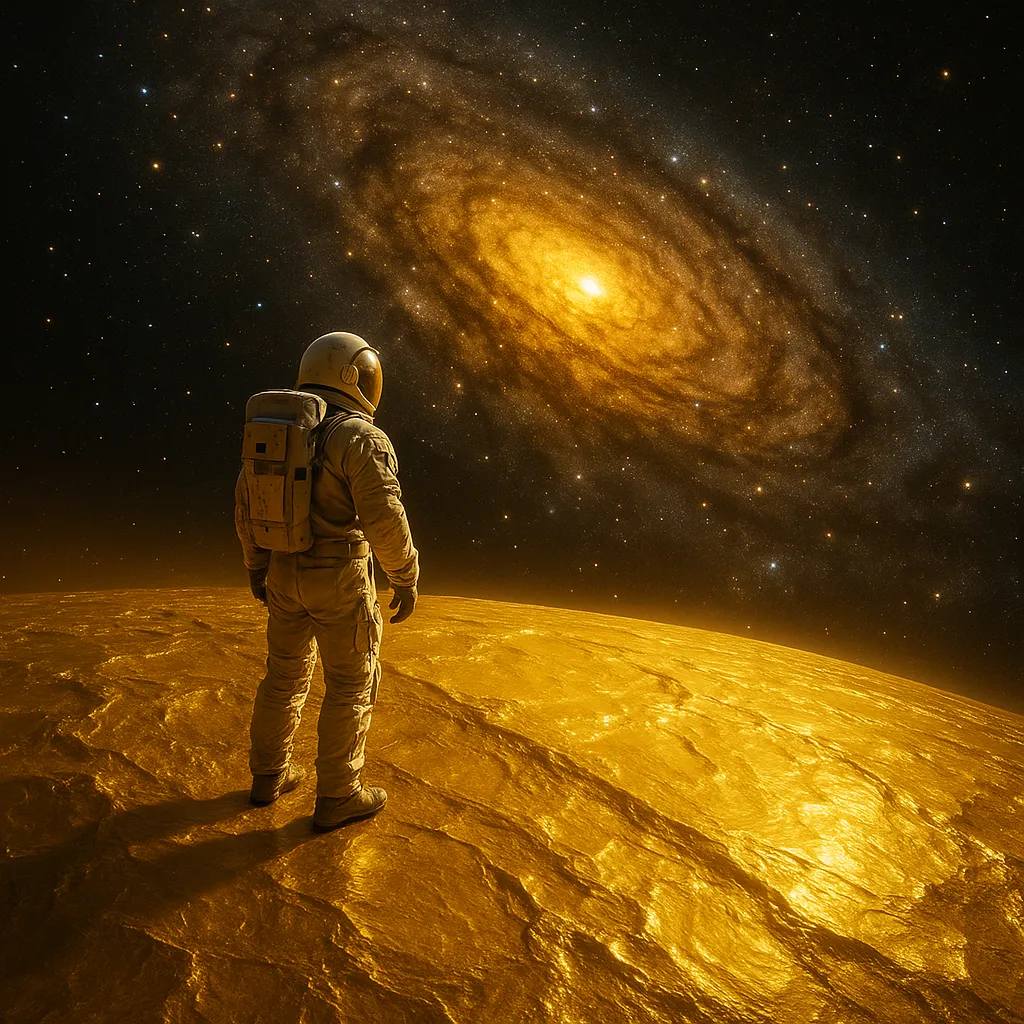
How gold is formed begins in the universe, far beyond our planet. Gold cannot form through simple stellar fusion, like lighter elements such as hydrogen or helium. Instead, it requires extreme conditions found in dying stars. Scientists believe gold forms during supernova explosions or neutron star collisions. These events involve massive stars that have exhausted their fuel. When a star goes supernova, its core collapses, creating intense heat and pressure. This triggers rapid neutron capture, or the “r-process,” where atomic nuclei absorb neutrons quickly.
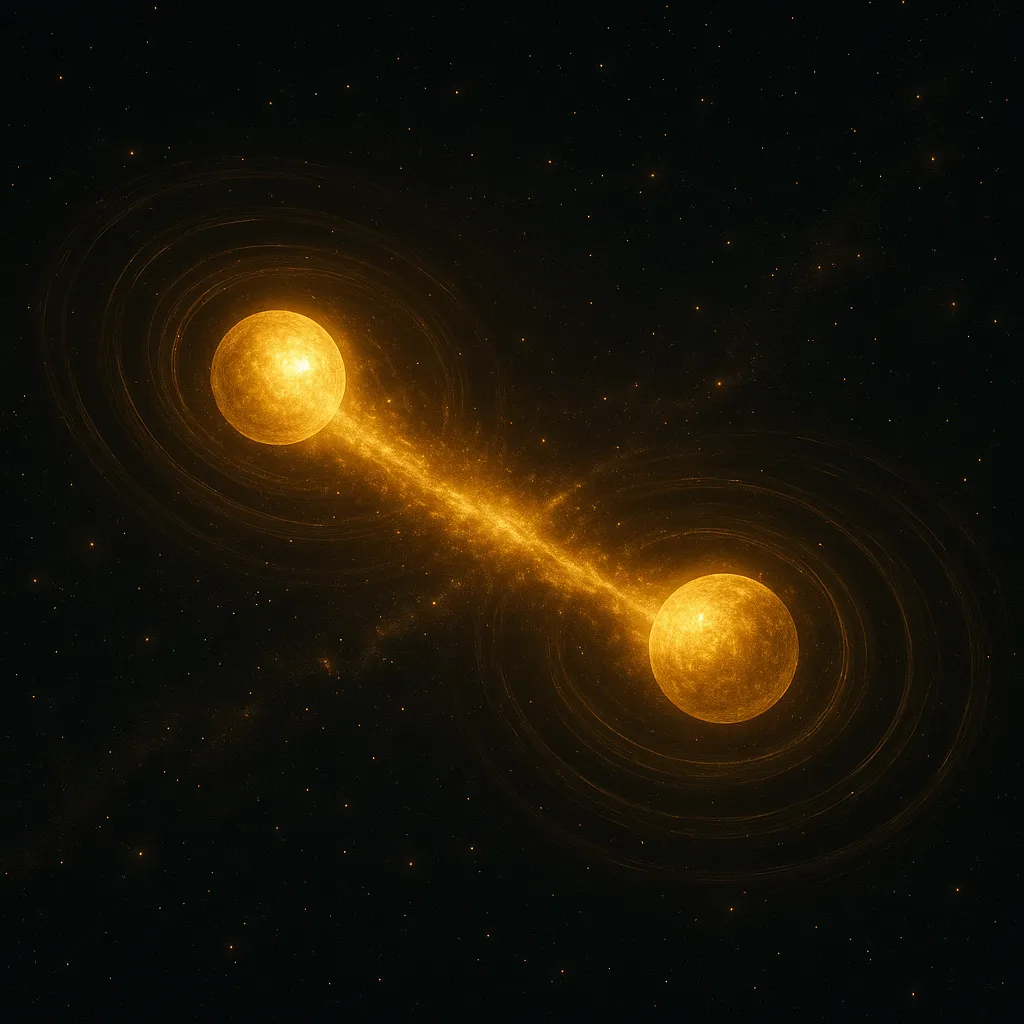
During this process, lighter elements transform into heavier ones, including gold. A 2017 observation of a neutron star collision by the LIGO-Virgo collaboration confirmed this theory. The collision produced a gamma-ray burst, and subsequent analysis showed the creation of heavy elements like gold. Thus, how gold is formed in the cosmos involves cataclysmic events. These events scatter gold atoms across space, embedding them into gas clouds that later form new stars and planets, including our own solar system.
Transfer to Earth
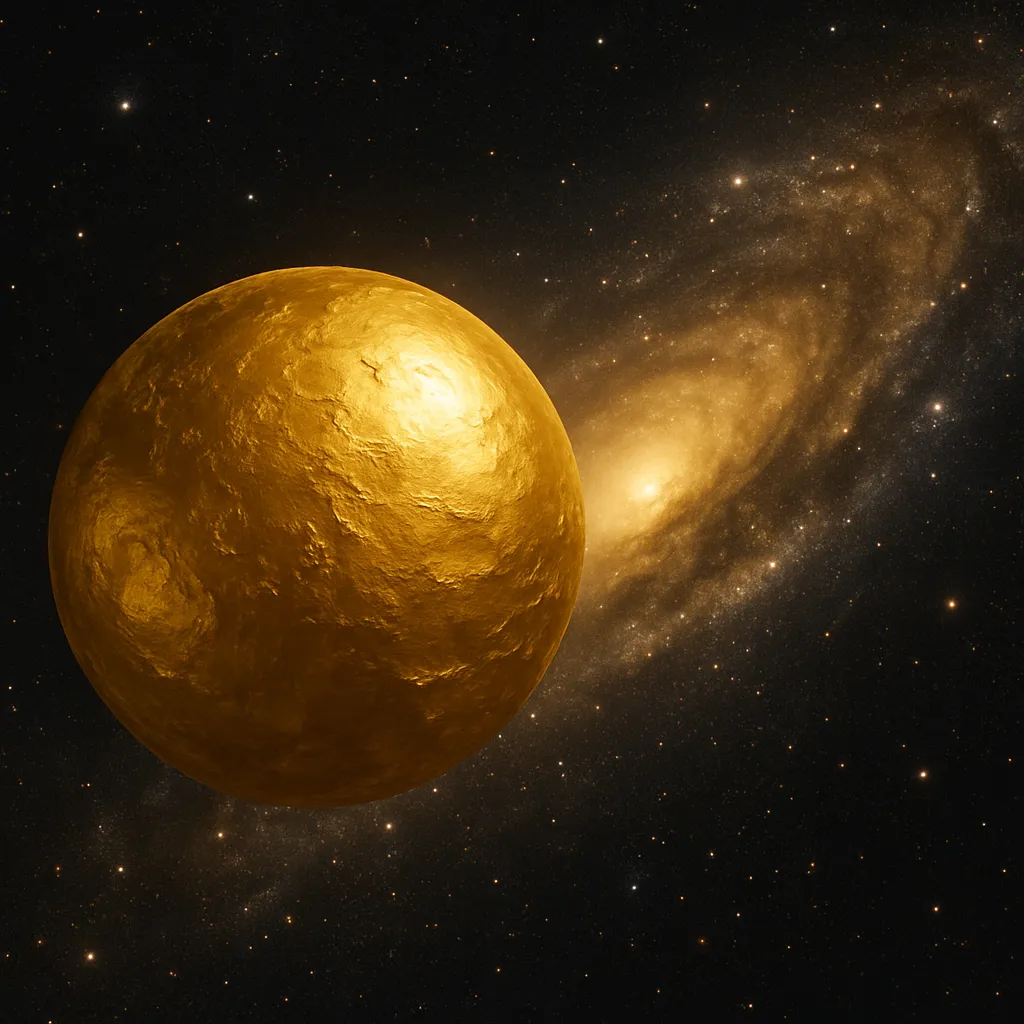
Gold formed in ancient stellar events eventually reached Earth during its formation. About 4.6 billion years ago, the solar system began as a cloud of gas and dust. This cloud contained gold atoms from previous supernovae. As the cloud collapsed under gravity, it formed the Sun and planets, including Earth. However, how gold is formed in space doesn’t explain its presence on Earth’s surface. When Earth was a molten ball, heavy elements like gold sank to its core during a process called planetary differentiation.
Around 3.9 billion years ago, a period known as the Late Heavy Bombardment brought additional gold to Earth. During this time, meteorites bombarded the planet, delivering materials from the early solar system. Studies of ancient meteorite craters, such as those in South Africa, show traces of gold and other precious metals. Therefore, how gold is formed and delivered to Earth involves both cosmic creation and meteoritic impacts. These processes seeded Earth with gold, which later concentrated through geological activity.
Geological Formation on Earth
How gold is formed on Earth involves geological processes that concentrate it into accessible deposits. After the Late Heavy Bombardment, Earth’s crust cooled, and tectonic activity began. Gold, being a siderophile element, prefers to bond with iron. However, hydrothermal fluids—hot, mineral-rich waters—played a key role in mobilizing gold. These fluids, heated by magma, dissolve gold from deep rocks and transport it through cracks in the crust.
As the fluids cool, gold precipitates out, often alongside quartz or sulfide minerals. This process forms gold veins, such as those found in the Witwatersrand Basin in South Africa, which has produced nearly 40% of all mined gold. Volcanic activity also contributes to how gold is formed in Earth’s crust. For example, in epithermal deposits, gold deposits near the surface as volcanic fluids cool rapidly. Over millions of years, erosion exposes these deposits, making them accessible for mining.
Gold Deposits and Mining
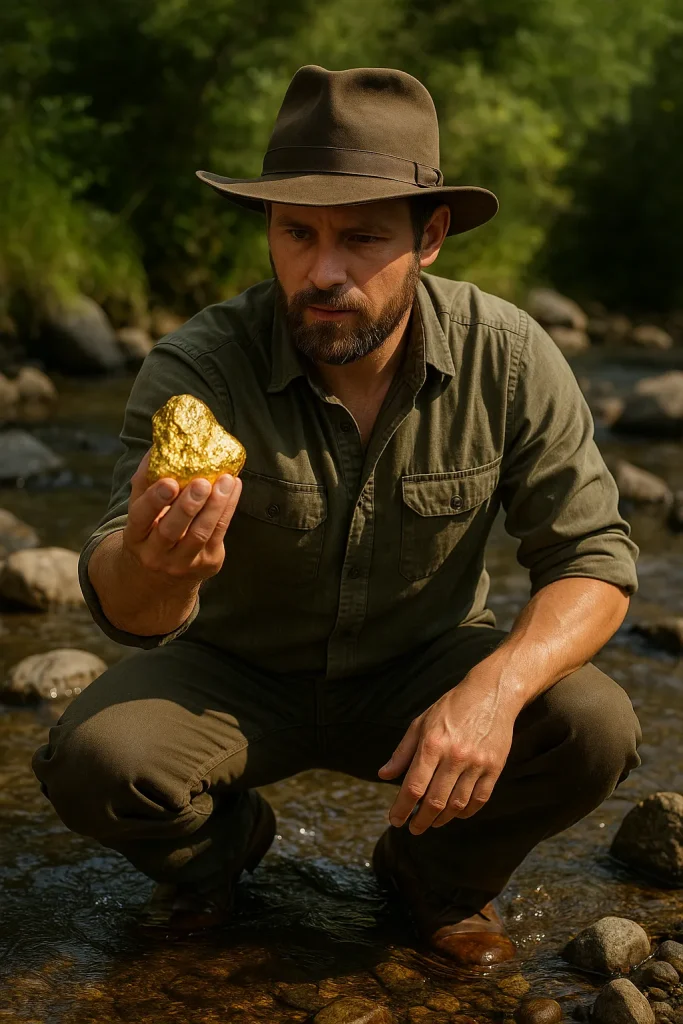
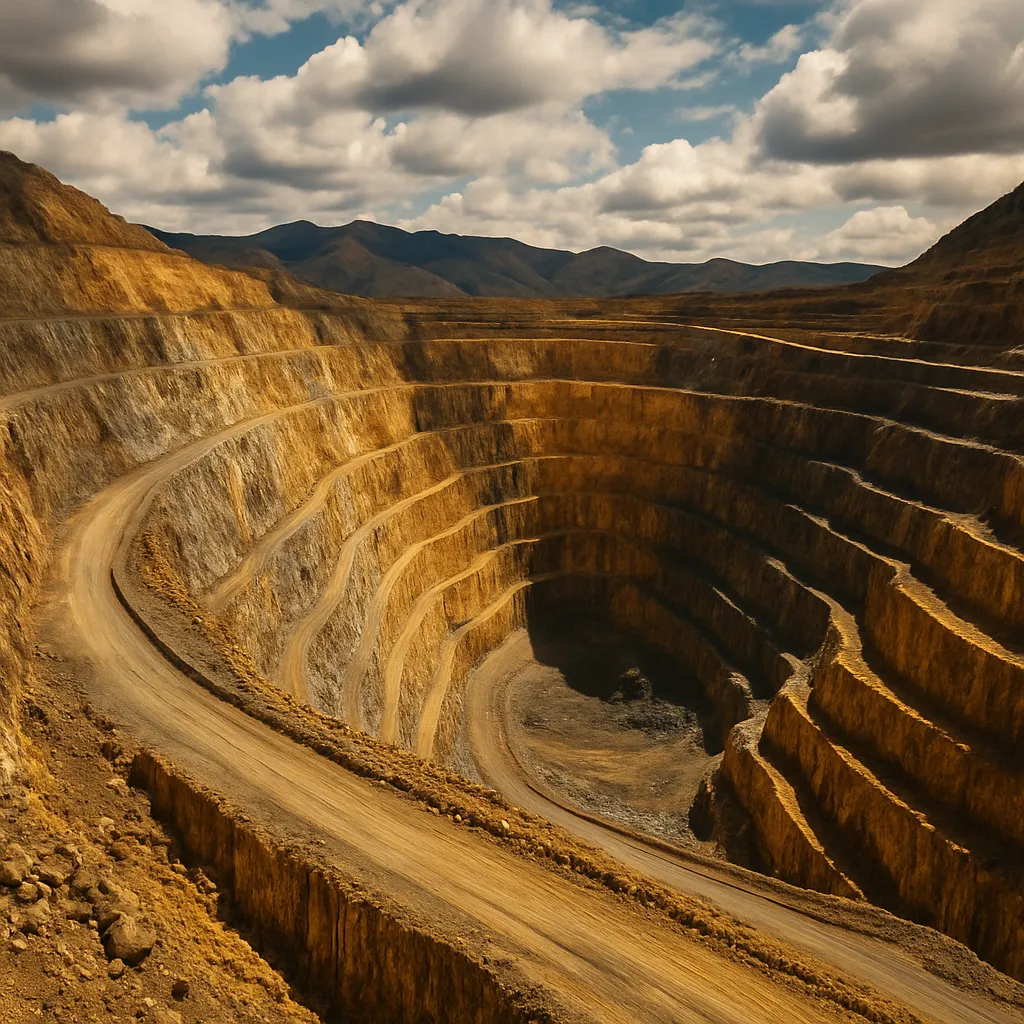
The result of cosmic and geological processes is the formation of gold deposits we mine today. How gold is formed leads to two main types of deposits: placer and lode. Placer deposits occur when erosion frees gold particles from rocks and deposits them in riverbeds. For instance, the California Gold Rush of 1849 relied on placer deposits in streams. Lode deposits, on the other hand, are gold veins embedded in rock, requiring underground mining.
Modern mining techniques extract gold from both deposit types. In 2023, global gold production reached 3,000 metric tons, with major producers like China and Australia. Gold’s rarity—only 0.004 parts per million in Earth’s crust—makes mining challenging. Understanding how gold is formed helps geologists locate new deposits. For example, satellite imaging and geochemical surveys identify areas with hydrothermal activity, guiding exploration efforts in regions like Nevada’s Carlin Trend.
Leave a Reply