Introduction
Infant formula, a lifeline for parents unable to breastfeed, has evolved into a scientifically engineered substitute for human milk. The infant formula nutrition science behind these products aims to mimic breast milk’s nutritional profile, supporting infant growth and development. For example, global demand for formula continues to rise, with the market projected to grow significantly by 2030, driven by working parents and medical needs. This article explores the history, composition, benefits, risks, and regulatory challenges of infant formula, offering a balanced view of its role in infant feeding.
Moreover, infant formula nutrition science is a field of both promise and scrutiny. While formulas provide essential nutrients, concerns about safety and market dynamics persist. Consequently, understanding the science and its implications helps parents and policymakers make informed decisions about infant feeding trends in a complex landscape.

Historical Development
Infant formula traces its roots to the 19th century, when scientists sought alternatives to breast milk for infants whose mothers couldn’t nurse. In 1865, Justus von Liebig developed the first commercial formula, a mix of cow’s milk, wheat flour, and potassium bicarbonate. However, early formulas lacked nutritional balance, leading to health issues. The infant formula nutrition science advanced in the 20th century with better understanding of vitamins and minerals.
By the 1950s, formulas were fortified with iron and other micronutrients, improving infant outcomes. For instance, the addition of DHA and ARA in the 1990s, inspired by breast milk’s fatty acids, aimed to support brain and eye development. These advancements reflected growing infant feeding trends toward scientifically tailored nutrition.
Yet, early formulas faced criticism for aggressive marketing that discouraged breastfeeding, especially in low-income countries. This history shaped stricter regulations and fueled ongoing debates about formula’s role, influencing the infant formula nutrition science today.
Nutritional Composition and Efficacy
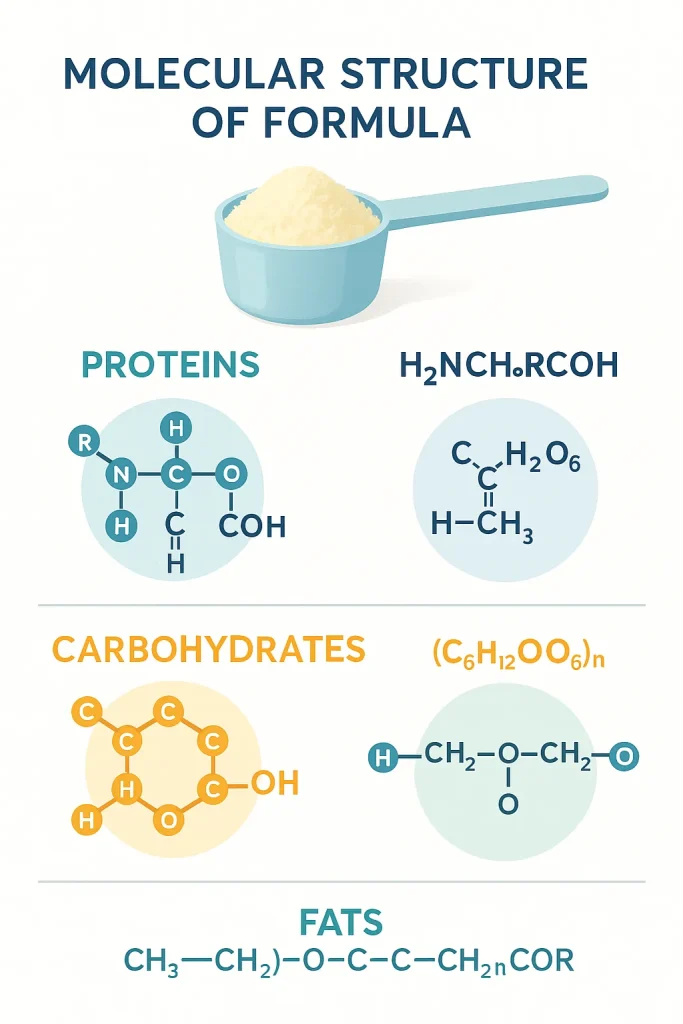
Infant formula nutrition science focuses on replicating breast milk’s complex blend of proteins, fats, carbohydrates, and micronutrients. Modern formulas use cow’s milk, soy, or hydrolyzed proteins, adjusted to match infants’ digestive needs. For example, studies show that formulas fortified with DHA and ARA support cognitive development, though not as effectively as breast milk.
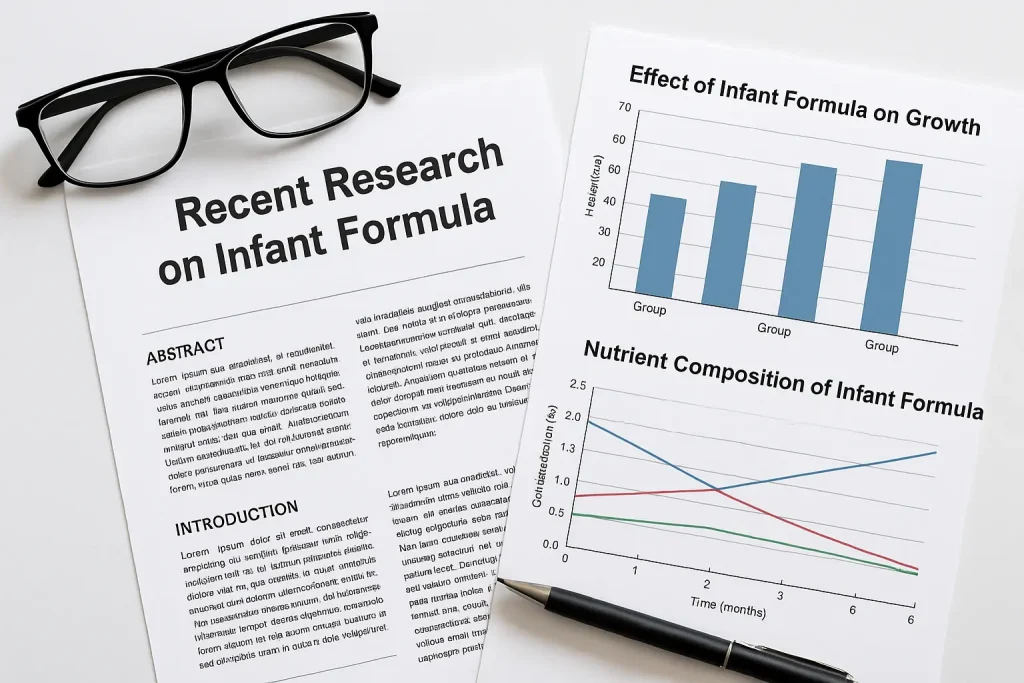
Formulas are also tailored for specific needs, such as lactose-free options for intolerant infants or specialized blends for preterm babies. Research indicates that well-formulated products support growth rates comparable to breastfed infants, ensuring baby formula health benefits for those unable to breastfeed. Iron fortification, for instance, reduces anemia risks in formula-fed infants.
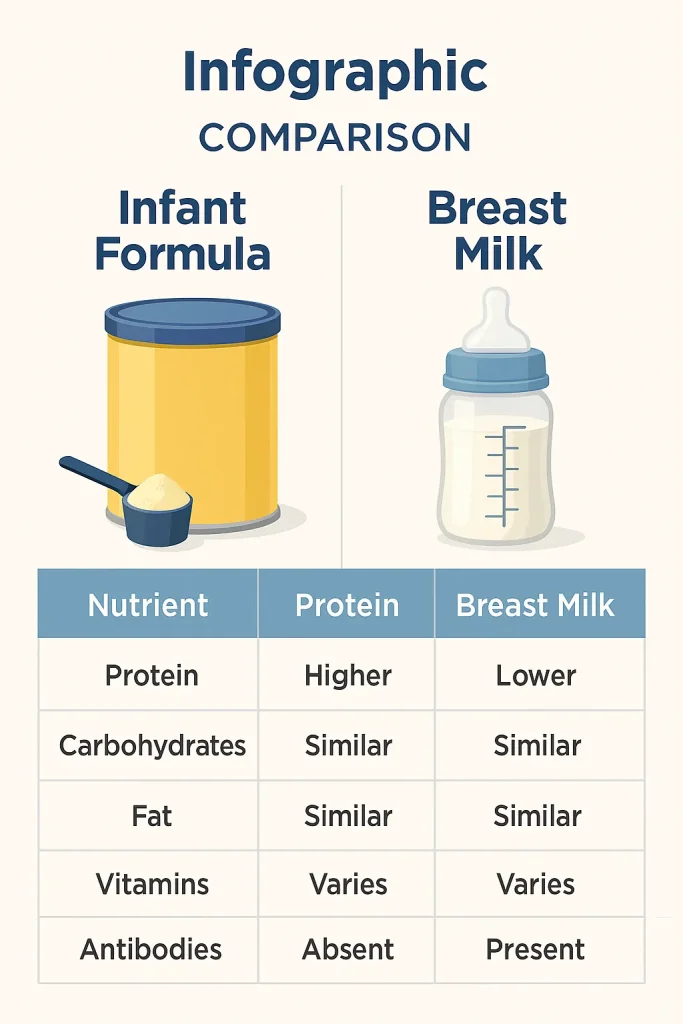
However, formulas cannot fully replicate breast milk’s immune-boosting antibodies or dynamic nutrient shifts. While effective, their efficacy depends on proper preparation and adherence to guidelines, highlighting the precision required in infant feeding trends.

Benefits and Risks
Are infant formulas beneficial, harmful, or both? The infant formula nutrition science reveals significant baby formula health benefits. For non-breastfeeding parents, formula provides a reliable nutrient source, supporting healthy growth. For example, specialized formulas help infants with allergies or metabolic disorders thrive, offering critical alternatives when breastfeeding isn’t viable. Formulas also allow flexibility for working parents, aligning with modern infant feeding trends.
However, risks exist. Improper preparation, such as overdilution, can lead to malnutrition, while contaminated water poses infection risks, especially in low-resource settings. Some studies suggest formula-fed infants face higher risks of obesity or infections compared to breastfed peers, though evidence is mixed. Formula safety concerns also arise from rare contamination incidents, like bacterial outbreaks in production facilities.
Moreover, aggressive marketing can undermine breastfeeding, particularly in vulnerable communities. While formulas are vital for many, these formula safety concerns highlight the need for education and oversight to maximize benefits and minimize harm.
Regulatory and Market Challenges
The infant formula nutrition science is shaped by regulatory and market dynamics. In the U.S., the FDA sets strict nutritional and safety standards, but market concentration—dominated by a few brands—raises concerns about supply chain vulnerabilities, as seen in the 2022 formula shortage. Similar issues exist globally, with major players controlling significant market shares, limiting consumer choice.
For instance, regulations in some countries restrict direct-to-consumer marketing to protect breastfeeding, but this can limit information access, affecting informed purchasing decisions. Additionally, high tariffs and import barriers hinder smaller manufacturers, reducing competition and innovation in infant feeding trends.
Misinformation about formula benefits, often spread through unregulated channels, further complicates choices. While regulatory frameworks aim to ensure safety, balancing accessibility, affordability, and accurate information remains a challenge, underscoring ongoing formula safety concerns.
Leave a Reply