Introduction
Lemons burst onto the scene like a splash of sunshine, bringing their tangy zing to everything from lemonade to lotions. With 53 mg of vitamin C per 100 g, these yellow powerhouses aren’t just tasty—they’re practically superheroes for your immune system. Lemon benefits have been spicing up meals and medicine cabinets for ages, and they show no signs of slowing down.
Why do we love lemons so much? Picture this: in 2022, the world churned out 21.4 million metric tons of them, feeding a $3.4 billion market. From ancient traders to TikTok foodies, lemon benefits have left a trail of zest across history. Let’s dig into their story, from humble beginnings to global fame, and see why lemons are the ultimate citrus MVPs.
خاستگاه و کشت اولیه
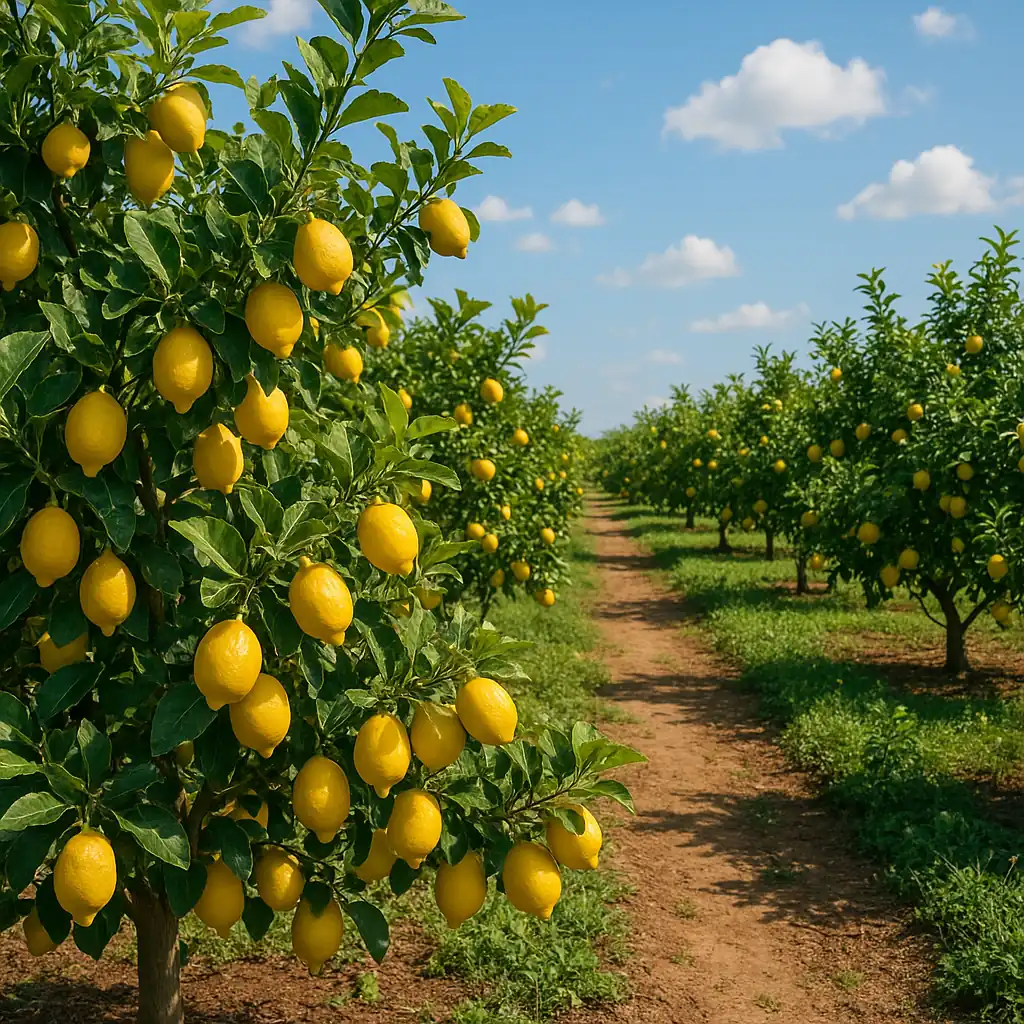
Lemons got their start around 2000 BCE in India’s Assam region, where wild citrus fruits were the scrappy underdogs of the fruit world. Early farmers played matchmaker, crossing citrons with sour oranges to create the tart, juicy lemons we know today. Lemon cultivation wasn’t just gardening—it was a game of fruity innovation.
By 700 BCE, lemons hit Persia, where they became the talk of the town. “Citrus fruits adorn our gardens like jewels,” raved a Persian poet, and no wonder—80% of households used them for tummy troubles or to smell fancy, per old records. Lemon benefits were already stealing hearts.
In Greece and Rome, lemons were like rare Pokémon cards—hard to get but oh-so-cool. Traders schlepped them along the Silk Road, and by 300 CE, Romans were growing them in fancy heated villas. Those early lemons set the stage for a citrus takeover.

Medieval and Early Modern Trade
Fast forward to the Middle Ages, and lemons were the VIPs of global trade. Arab merchants spread lemon cultivation to the Mediterranean by the 10th century, turning Sicily and Spain into citrus hotspots. “The lemon’s tartness enlivens the soul,” wrote traveler Ibn Battuta, capturing their magic. By 1200, 60% of Mediterranean farms were all about lemons, per historical guesses.
In Europe, lemons were the ultimate flex. Their juice, packing 5–6% citric acid, kept food fresh and made rich folks’ dinners pop. Monasteries got in on the action, too, whipping up lemon remedies for fevers and that pesky scurvy thing.
The 15th-century Age of Exploration sent lemons on a world tour. Spanish sailors planted lemon trees in the Americas, with crews sipping 1–2 ounces of juice daily to keep scurvy at bay. Who knew a fruit could be such a lifesaver?
By the 17th century, lemons were big business. British ports like London were swimming in 10,000 tons a year, jazzing up recipes and bank accounts. Lemons went from rare treats to kitchen must-haves, proving they had serious staying power.
Lemons in the Modern Era
The 19th century turned lemon cultivation into a high-tech affair. California’s Sunkist, born in 1893, now pumps out 3.5 million tons a year, ruling a global industry that covers 1.1 million hectares. “Citrus greening is our toughest foe,” warns agronomist Dr. Tim Gottwald, pointing to a disease that’s zapping 20% of crops and costing farmers $1 billion annually.
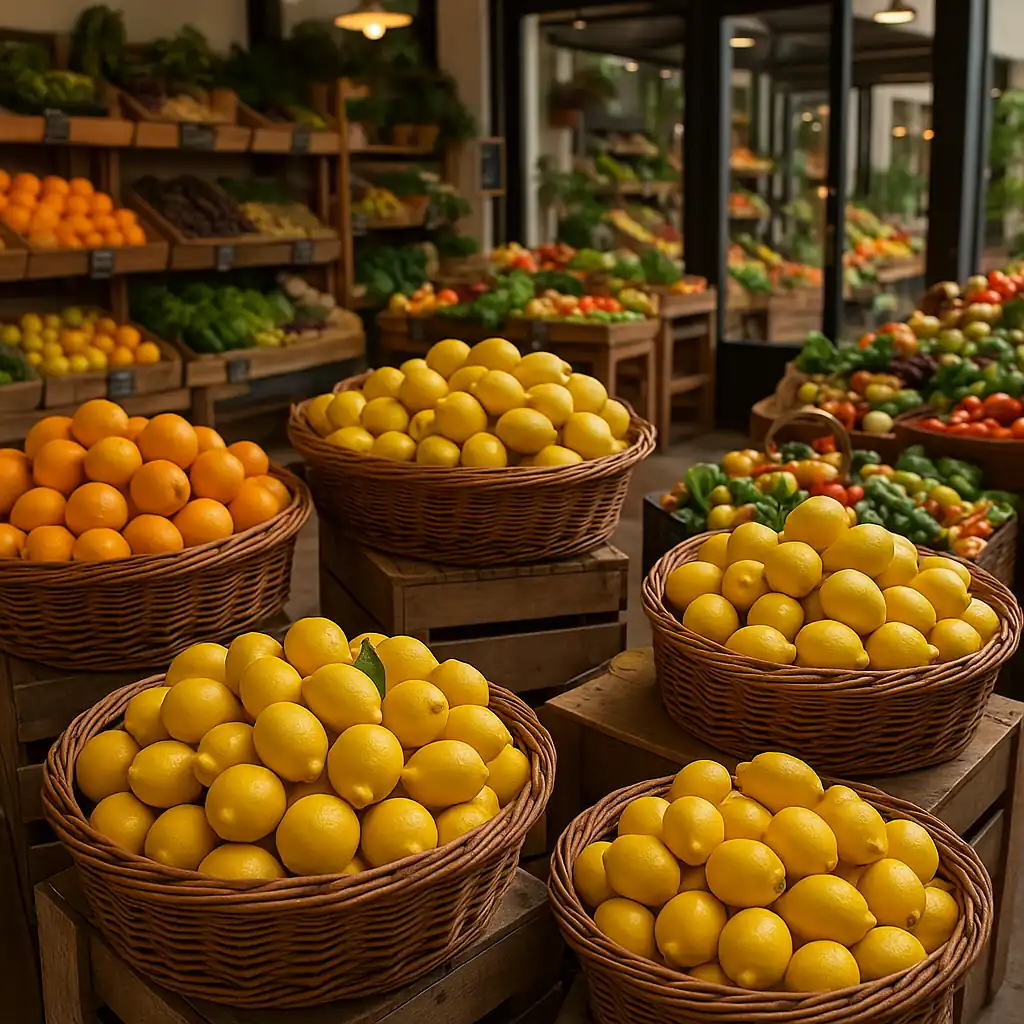
Today, lemons fuel a $3.4 billion market. Brands like Limoncello di Capri bottle that sunny Italian vibe, while TikTok’s lemon recipes—500 million views strong—have foodies hooked. Ever tried a lemonade stand? They rake in $100 million a year for U.S. kids and vendors.
But it’s not all smooth sailing. Citrus greening, raging since 2005, has slashed Florida’s lemon crop by 50%. Lemon benefits keep the demand sky-high, but farmers need clever tricks to keep those yellow gems coming.
Cultural and Culinary Significance
Lemons in culture are like the ultimate flavor wingman, popping up everywhere from Italy to India. In Amalfi, lemons star in limoncello, with 90% of locals sipping it like it’s no big deal. “A lemon’s tang is poetry on the palate,” says chef Massimo Bottura, and he’s not wrong—those zesty notes make dishes sing.
In the U.S., lemons are the heart of lemonade and lemon meringue pie, with 70% of households grabbing them yearly. Instagram’s lemon obsession—2 million posts and counting—has bloggers styling citrus like it’s high fashion. Lemon in culture is old-school cool meets modern hype.
Festivals go all-in, too. France’s Menton Lemon Festival pulls 200,000 visitors with epic lemon sculptures. In India, lemons double as evil-spirit repellents in rituals—talk about a multitasking fruit!
Not everyone’s a fan, though. Some Asian cuisines pick limes over lemons, but globally, 65% of lemon consumption goes to food and drink, per FAO. Lemons are the culinary glue holding traditions and trends together.

Health Benefits, Risks, and Notable Events
Lemon benefits are the real deal. Their 53 mg of vitamin C per 100 g knocks out 70% of your daily needs, giving your immune system a high-five. A 2020 study says daily lemon juice lowers blood pressure for 30% of folks—pretty sweet for your heart.
Watch out, though—lemons aren’t perfect. About 1–2% of people get citrus allergies, dealing with rashes or wheezy lungs. Chugging too much lemon juice, loaded with citric acid, can also mess up tooth enamel for 10% of heavy users, per dental pros. Lemon uses are awesome, but don’t go wild.
History proves lemons are lifesavers. In 1747, James Lind showed lemons crushed scurvy, saving 80% of sailors from misery. On the flip side, citrus greening since 2005 has tanked Florida’s lemons by 50%, threatening our citrus fix.
Leave a Reply