Introduction
Lightning captivates with its brilliant flashes and booming thunder, lighting up stormy skies. This natural phenomenon, both beautiful and dangerous, strikes Earth millions of times daily. Lightning strike effects, from injuries to property damage, spark curiosity and concern among scientists and the public. Understanding lightning’s science, impacts, and safety measures is crucial for everyone. This article explores how lightning forms, its effects on humans and the environment, and ways to stay safe.
The power of lightning is immense, yet its unpredictability makes it a serious threat. Each bolt carries millions of volts, capable of causing fires, injuries, or even death. Questions about lightning strike effects drive research into better protection methods. By examining its formation, human impacts, environmental damage, and prevention strategies, we aim to shed light on this electrifying topic for all readers.
Formation and Science of Lightning
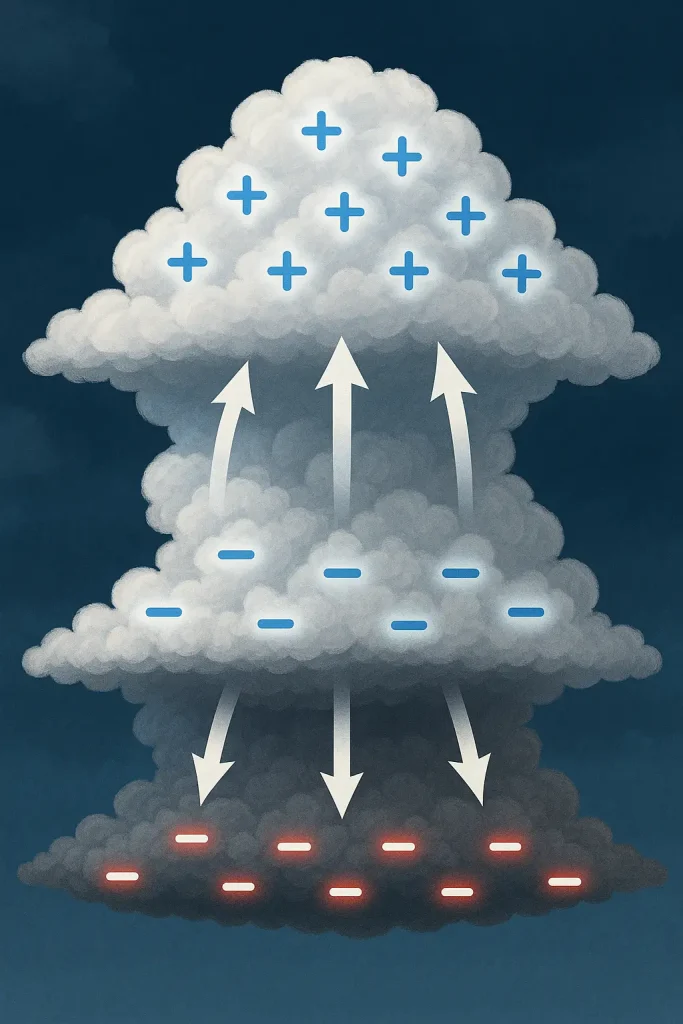
Lightning is formed during thunderstorms when electrical charges build up in clouds. Positive and negative charges separate, often with negative charges at the cloud’s base and positive charges in the ground below. When the charge difference becomes too great, a rapid discharge occurs, creating a bolt of lightning. This lightning formation process releases energy as light, heat, and sound, producing the flash and thunder we observe. The process is studied extensively to predict strikes.
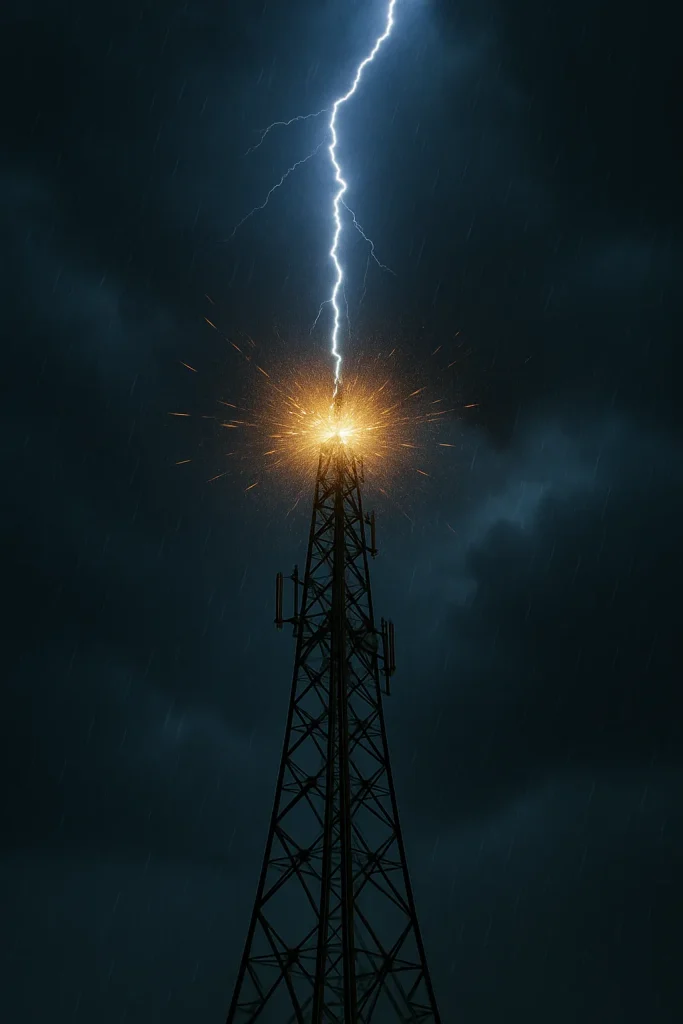
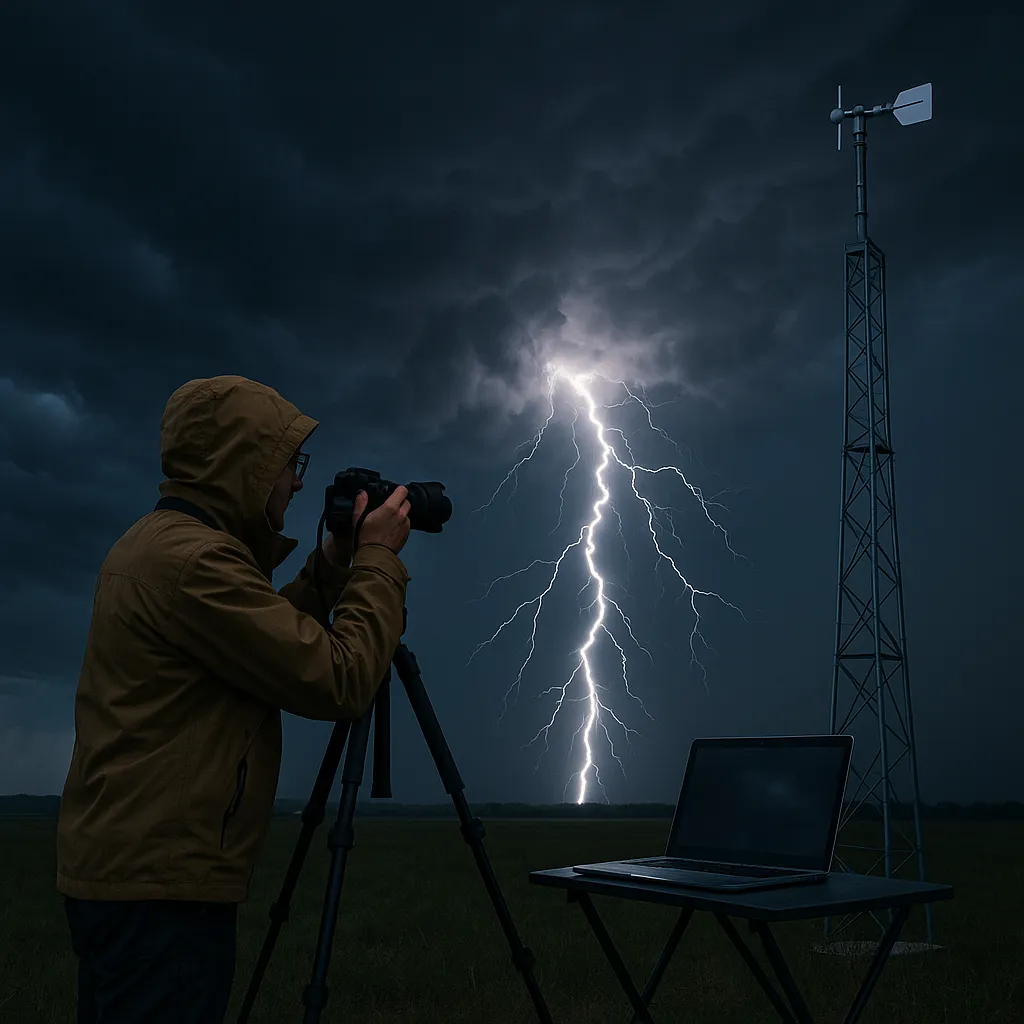
The energy in a lightning bolt can reach 1 billion volts and temperatures hotter than the sun’s surface. This immense power is released in milliseconds, heating the air to create thunder. The lightning formation process varies, with cloud-to-ground strikes being the most dangerous for humans and structures. Scientists use tools like lightning detectors to map these events and improve forecasting.
Charge separation is influenced by atmospheric conditions, such as humidity and wind. Ice particles and water droplets collide in clouds, transferring electrons to build charges. This complex process, driven by nature’s forces, is still being researched for better understanding. Lightning’s unpredictability makes it a challenge to study, but advancements help us grasp its behavior.
Lightning can take forms like fork lightning, sheet lightning, or ball lightning, each with unique traits. Fork lightning, the most common, zigzags from cloud to ground, while sheet lightning illuminates clouds internally. The science behind lightning strike effects is key to developing safety measures. Ongoing research continues to unravel this phenomenon’s mysteries.
Lightning Strike Effects on Humans
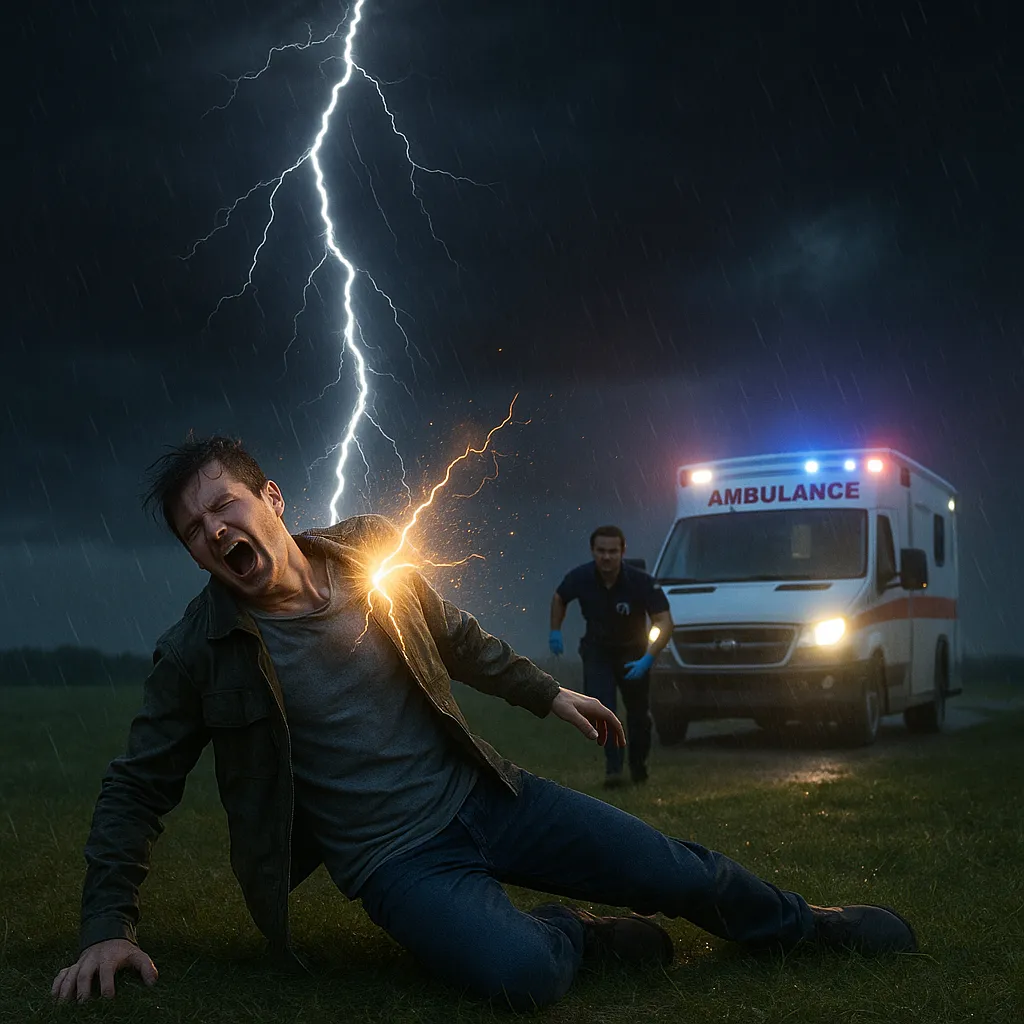
Lightning strike effects on humans can be devastating, with thousands struck annually worldwide. Each year, about 2,000 people are struck, and roughly 10% of cases are fatal, according to the National Weather Service. Survivors often face burns, neurological damage, or heart issues. Strikes occur when people are caught outdoors during storms, often unaware of the risks. Stories of survival highlight lightning’s unpredictable power.
In 2016, a hiker in Colorado was zapped while climbing a mountain, suffering severe burns and temporary paralysis. Another case involved a golfer in Florida struck while on a course, requiring months of recovery for nerve damage. These incidents show how lightning strike effects vary, from minor shocks to life-altering injuries. Being outdoors during storms, especially near tall objects, increases the risk.
Medical research shows lightning can disrupt the body’s electrical systems, causing cardiac arrest or brain injury. Indirect strikes, like those through nearby objects, are also dangerous. Lightning strike effects are reduced by awareness and quick action, such as seeking shelter. Education about these risks saves lives, as many strikes are preventable.
Environmental and Structural Impacts
Lightning significantly impacts the environment, often sparking wildfires. In dry regions, strikes ignite forests, causing billions in damage yearly, per the U.S. Forest Service. Ecosystems are disrupted as fires destroy habitats, though some plants rely on fire for regeneration. Lightning strike effects on nature are thus both destructive and, in some cases, beneficial. Research continues to explore these dual roles.
Structures like buildings and power lines are frequently damaged by lightning. A single bolt can melt metal, shatter concrete, or start fires in homes. In 2020, a church in Texas was struck, causing a fire that destroyed its roof. Electrical systems are especially vulnerable, with surges frying circuits and costing millions annually.
Protection systems, like lightning rods, are designed to divert bolts safely to the ground. These rods, invented by Benjamin Franklin, channel electricity away from buildings. Yet, lightning strike effects can still occur if systems fail or are absent. Modern skyscrapers use advanced grounding to minimize damage.
The economic cost of lightning damage is substantial, with insurance claims in the billions. Trees, often hit due to their height, can explode or catch fire, posing further risks. Alternative lightning protection, like surge protectors for homes, helps reduce these impacts. Understanding these effects drives better building codes and safety standards.
Safety and Prevention Strategies
Lightning safety measures are critical to avoiding harm during storms. The National Weather Service advises the “30-30 rule”: if thunder follows a lightning flash within 30 seconds, stay indoors. Buildings with plumbing or wiring offer the best protection, as they ground electricity. Lightning safety measures, like avoiding open fields or tall trees, reduce the risk of being struck.
Cars with metal roofs are safe shelters, as the frame directs electricity around occupants. However, open vehicles like convertibles or golf carts offer no protection. During outdoor activities, monitoring weather forecasts is essential. Lightning safety measures include seeking shelter at the first sign of a storm, as waiting can be dangerous.
Technology, such as lightning detection apps, helps track storms in real-time. Communities in high-risk areas use warning systems to alert residents. Alternative lightning protection, like personal surge devices, is being explored for outdoor workers. By following these strategies, the dangers of lightning strike effects can be minimized.
Leave a Reply