Introduction
Molybdenum, element 42, is a vital metal shaping industry and biology. Its molybdenum chemical applications range from durable alloys to essential plant nutrients. Discovered in the 18th century, it drives innovation in manufacturing and agriculture. Its high strength and versatility make it indispensable. This article examines molybdenum’s history, properties, benefits, challenges, and safety issues. It reveals the element’s role in modern science. Molybdenum blends chemistry with real-world impact. Its study informs sustainable progress.
The molybdenum chemical applications also pose challenges, like environmental and health risks. While it fuels technological and nutritional advances, careful management is key. Exploring molybdenum’s science highlights its value and limitations. This guides industries, farmers, and policymakers. The element’s role in trace element nutrition grows. Thus, understanding molybdenum ensures its benefits outweigh its risks.
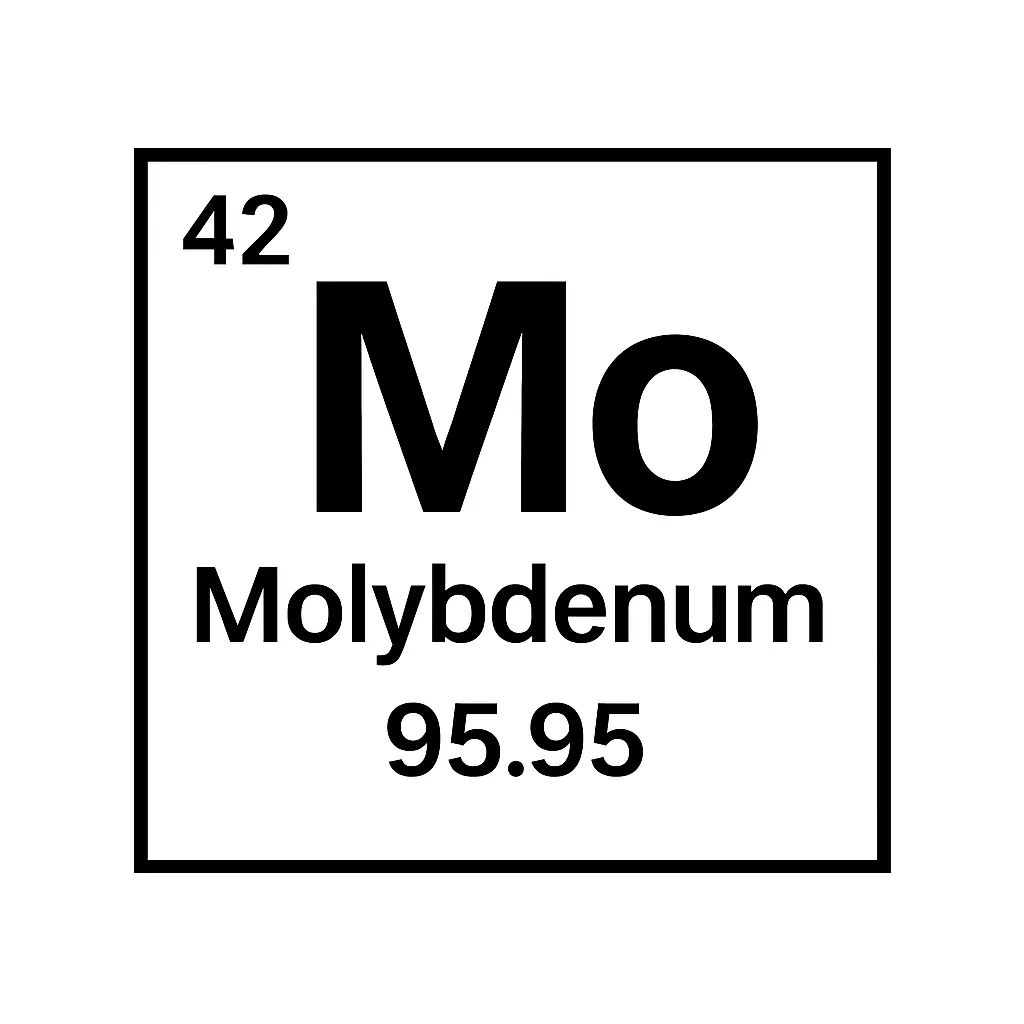
Discovery and Historical Context
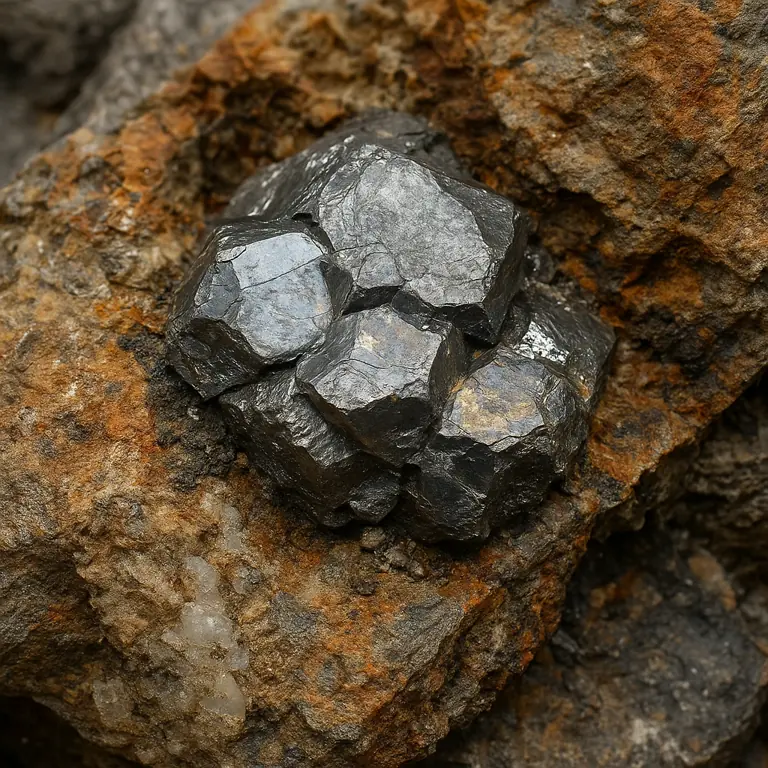
Molybdenum’s story began in 1778 when Carl Wilhelm Scheele isolated its oxide. He named it after “molybdos,” Greek for lead, due to its appearance. In 1781, Peter Jacob Hjelm produced pure molybdenum metal. Miners once mistook molybdenite for graphite, delaying its use. The molybdenum chemical applications grew in the 19th century. Steelmaking demands sparked its rise. Early mining in Sweden laid the groundwork.
World War I increased molybdenum’s value for armor and weapons. Mines in Colorado and Norway scaled up production. This made molybdenum a strategic asset. Its discovery tied to industrial revolutions. The element’s growth reflects advances in metallurgy. These efforts shaped its modern applications.
This history drives today’s molybdenum industrial uses. Early misidentification shows the need for precise analysis. Molybdenum’s rise from obscurity to necessity informs current research. It highlights the element’s enduring impact on technology.
Chemical and Physical Properties
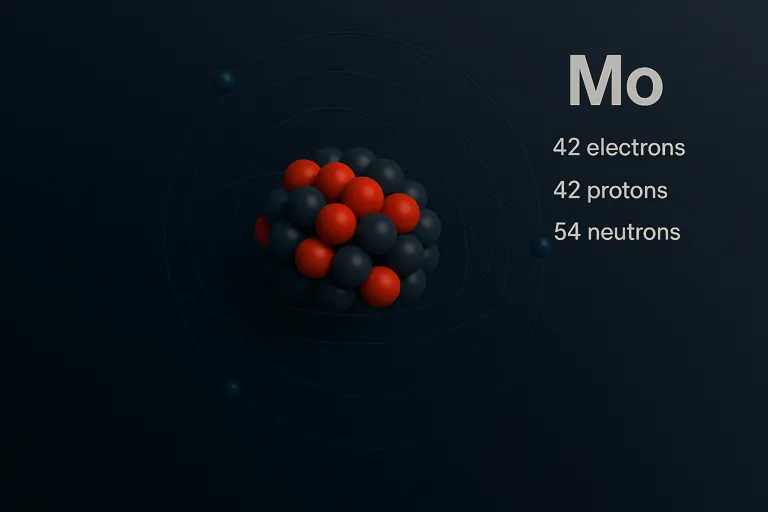
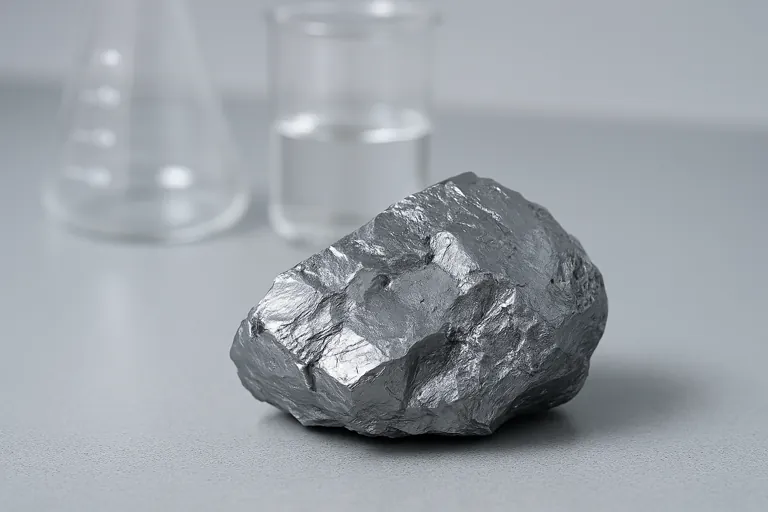
Molybdenum is a silvery transition metal with exceptional durability. Its molybdenum chemical applications rely on a 2,623°C melting point, perfect for high-heat environments. With atomic number 42, it resists corrosion effectively. Molybdenum disulfide, a key compound, acts as a lubricant. Its density suits heavy alloys. These traits make it critical for industry. Molybdenum’s hardness enhances structural materials.
Chemically, molybdenum has oxidation states from +2 to +6. The +6 state forms molybdate ions, vital for catalysis. It resembles tungsten but is lighter. Its electron structure enables diverse bonding. This supports enzyme functions and industrial processes. Molybdenum industrial uses thrive on its chemical versatility. Research continues to explore its potential.
These properties fuel molybdenum’s applications. Its strength bolsters steel production. The catalytic role aids chemical manufacturing. Molybdenum’s traits drive innovation in energy and agriculture. This makes it a cornerstone of modern chemistry.
Benefits and Applications
Molybdenum’s molybdenum chemical applications excel in industry and biology. It strengthens steel alloys for bridges, buildings, and car parts. Adding 1% molybdenum boosts steel’s heat resistance. This suits jet engines and power plants. Molybdenum disulfide lubricates machinery, cutting wear. These molybdenum industrial uses support global infrastructure. They drive manufacturing efficiency.
In biology, molybdenum is crucial for enzymes like nitrogenase. This enzyme aids plants in nitrogen fixation, boosting crop yields. Trace element nutrition with molybdenum supports human metabolism. It prevents deficiencies in diets. Molybdenum’s role in fertilizer production enhances food security. Its catalytic properties also improve chemical manufacturing.
Molybdenum’s benefits are significant but not universal. Its industrial and nutritional roles are vital. Overreliance raises sustainability concerns. Research into new molybdenum industrial uses continues to expand its impact.
Challenges and Safety Concerns
Molybdenum’s molybdenum chemical applications face environmental challenges. Mining molybdenite ore harms ecosystems with toxic runoff. Operations in China and Chile strain water supplies. Processing creates dust, risking workers’ lung health. These impacts demand strict regulations. Sustainable mining practices are essential. This protects environments and communities.
Molybdenum safety concerns involve toxicity at high levels. Excess molybdenum causes joint pain or gout-like issues in humans. Livestock in molybdenum-rich soils face “teart disease.” This stunts growth and fertility. Safe handling of compounds is critical. Industrial spills can pollute water sources. Proper disposal prevents contamination risks.
These issues require careful oversight. Molybdenum’s benefits must balance its risks. Improved safety protocols mitigate harm. Responsible management ensures molybdenum chemical applications remain safe for health and the environment.

Leave a Reply