Introduction
A defining figure in electrical engineering, Nikola Tesla emerged in the late 19th century. Born in 1856 in Smiljan, then part of the Austrian Empire, he showed early intellectual promise. His development of alternating current (AC) transformed power distribution worldwide. Personal quirks and financial struggles added layers to his story. The Tesla coil and wireless energy ideas reflected his innovative spirit. In 2025, researchers still analyze his impact. Nikola Tesla books offer a window into his thoughts. Environmental debates tie to his inventions. This article explores his life, blending successes with setbacks.
Tesla’s journey from Serbia to the U.S. was anything but ordinary. His rivalry with Thomas Edison sparked a notable chapter in tech history. Patents earned him recognition, though rarely riches. Cultural roots from his upbringing fueled his drive. America later became the hub for his groundbreaking work. Isolation grew in his later years, shaping his complex legacy. Historians value his contributions. Let’s trace his beginnings.
Obstacles and achievements marked his path. Peers often doubted his bold concepts. Health issues occasionally hindered his progress. His views on science influenced his creations. Sustainability discussions now connect to his ideas. This narrative underscores his lasting influence. Next, we look at his early life.
Early Life and Education
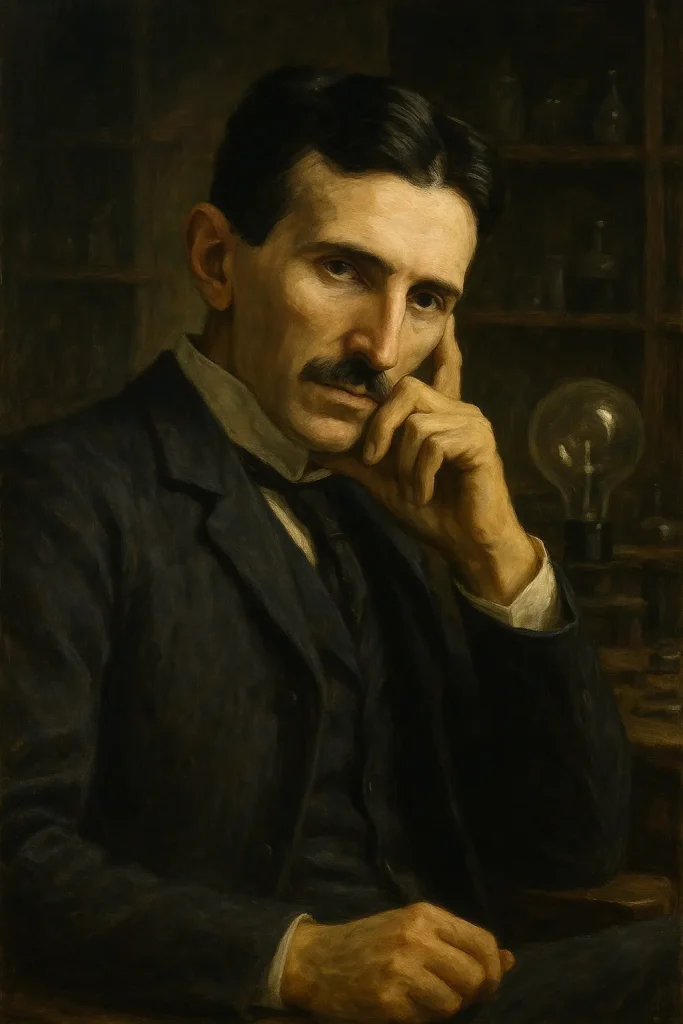
On July 10, 1856, Nikola Tesla was born into a Serbian family in Smiljan. His father, a priest, nurtured a passion for knowledge. His mother’s skill in crafting tools left a deep impression. As a boy, he demonstrated a keen mind, building a small motor at age seven. Schooling began locally, where he excelled in math and science. At 19, he joined the Austrian Polytechnic in Graz. Illness disrupted his studies, leading to a hiatus. He turned to self-learning, strengthening his abilities.
Tesla relocated to Prague in 1880 for studies at Charles University. Electrical engineering captivated him during this time. He started envisioning rotating magnetic fields, a concept central to his later success. Money troubles cut his formal education short. In 1881, he took an engineering job in Budapest. There, the seeds of alternating current (AC) began to form. Despite instability, his resolve deepened. This phase built the foundation for his future.
In 1884, Nikola Tesla arrived in New York, seeking work with Thomas Edison. Adapting to a new culture posed initial challenges. His technical skills soon impressed employers, securing early roles. He quickly learned English while fixing dynamos. Philosophical differences with Edison soon emerged. This experience honed his expertise and determination. His transition to America proved transformative. Later, his career gained momentum.

Inventions and Achievements
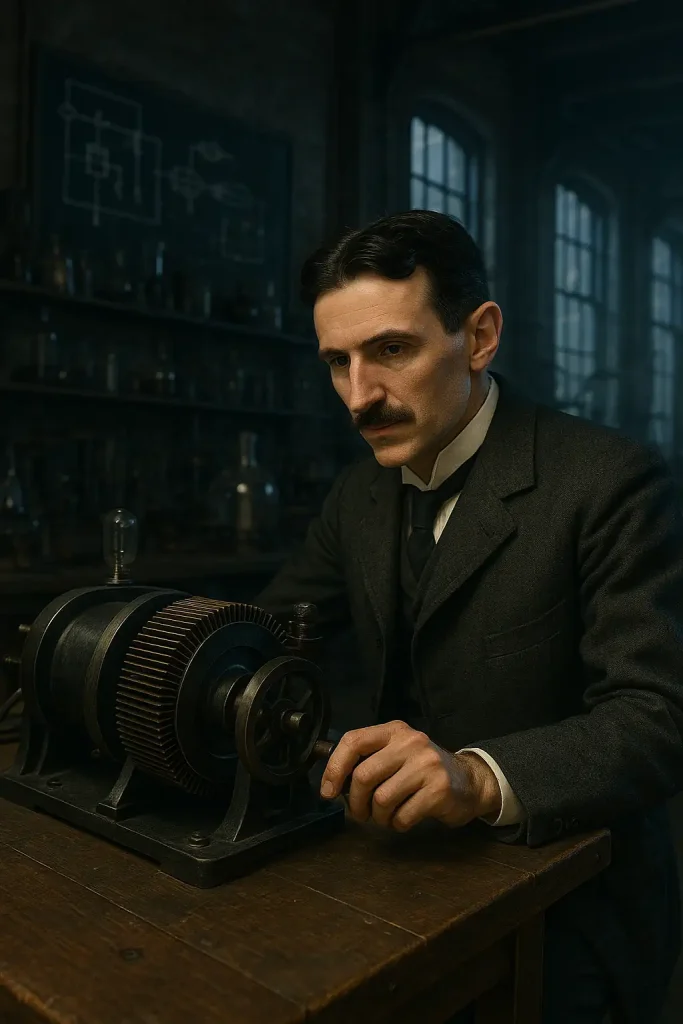
A key innovation came when Nikola Tesla developed alternating current (AC) in the late 1880s. His AC induction motor, patented then, lit up the 1893 Chicago World’s Fair. Westinghouse adopted it, establishing a global standard. In 1891, he created the Tesla coil, generating high-voltage electricity. This device intrigued scientists and influenced future tech. He also explored wireless energy, aiming to transmit power without wires. The Wardenclyffe Tower, though uncompleted, hinted at this vision. Radio technology later drew from his patents.
Tesla’s interests reached beyond electricity. He experimented with X-rays in 1895, producing early images. His ideas on robotics preceded modern developments. With over 300 patents, his polyphase system reshaped power grids. The “War of the Currents” saw his AC prevail over Edison’s direct current (DC). Recognition came gradually, often posthumously. Nikola Tesla books, like “My Inventions,” capture his reflections. His work left a lasting imprint on technology. Now, we turn to his difficulties.
Despite setbacks, his ideas influenced global communication. The Wardenclyffe project sought to prove wireless energy. Funding shortages stopped its progress. Other inventors, such as Marconi, built on his work for radio. Tesla’s legacy persists through these efforts. His inventions link historical advances to future potential. Let’s examine his challenges.
Challenges and Controversies
Financial strain dogged Nikola Tesla throughout his career. His patents yielded little profit despite their importance. Investors often pulled support, leaving projects unfinished. The Wardenclyffe Tower, a symbol of his wireless energy dream, failed due to funding. His feud with Edison intensified during the “War of the Currents,” with AC facing safety criticisms. Tesla’s eccentric behaviors, like conversing with pigeons, sparked public skepticism. Historians in 2025 still assess his intellectual and personal balance.
Disputes clouded his reputation. Wireless energy faced doubts as unfeasible. Yet, the Tesla coil demonstrated some of his concepts. Patent conflicts emerged, notably with Marconi over radio. Marconi’s 1909 Nobel Prize overlooked Tesla’s contributions. Courts acknowledged Tesla’s role in 1943. His increasing solitude reflected personal struggles. These issues shaped his historical image. His story gains richness from these tensions. Next, we explore his later years.
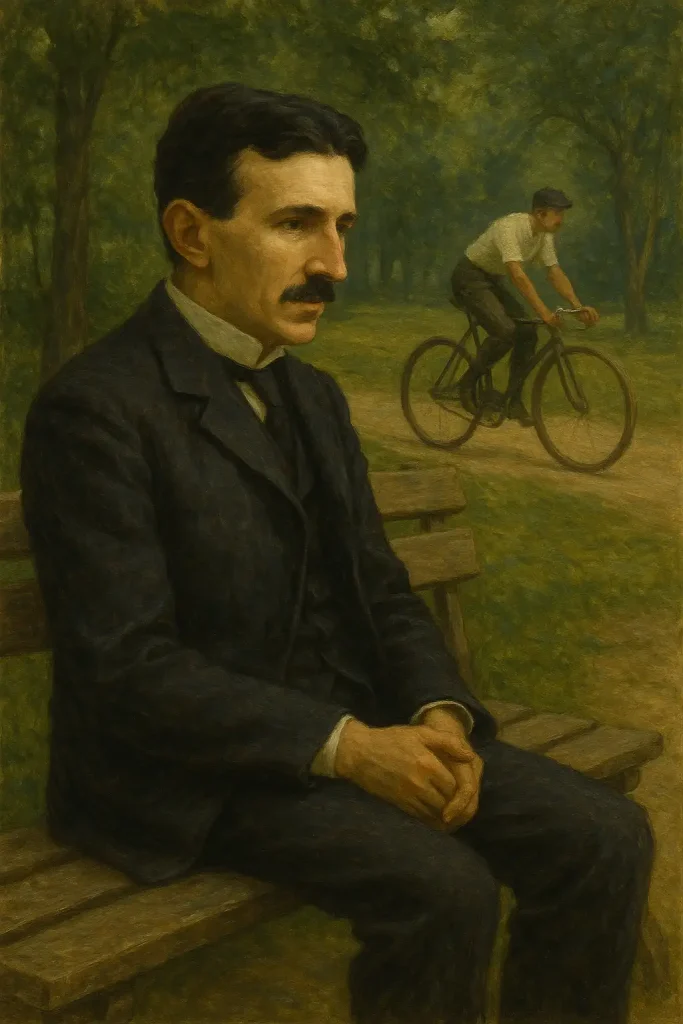
Odd habits added to Tesla’s mystique. He preferred hotel life, shunning possessions. An affinity for the number three guided his actions. Health declined as he aged, though his work ethic held. Nikola Tesla books provide insight into his dedication. These traits contributed to his multifaceted legacy. Let’s move to his final phase.
Later Years and Legacy
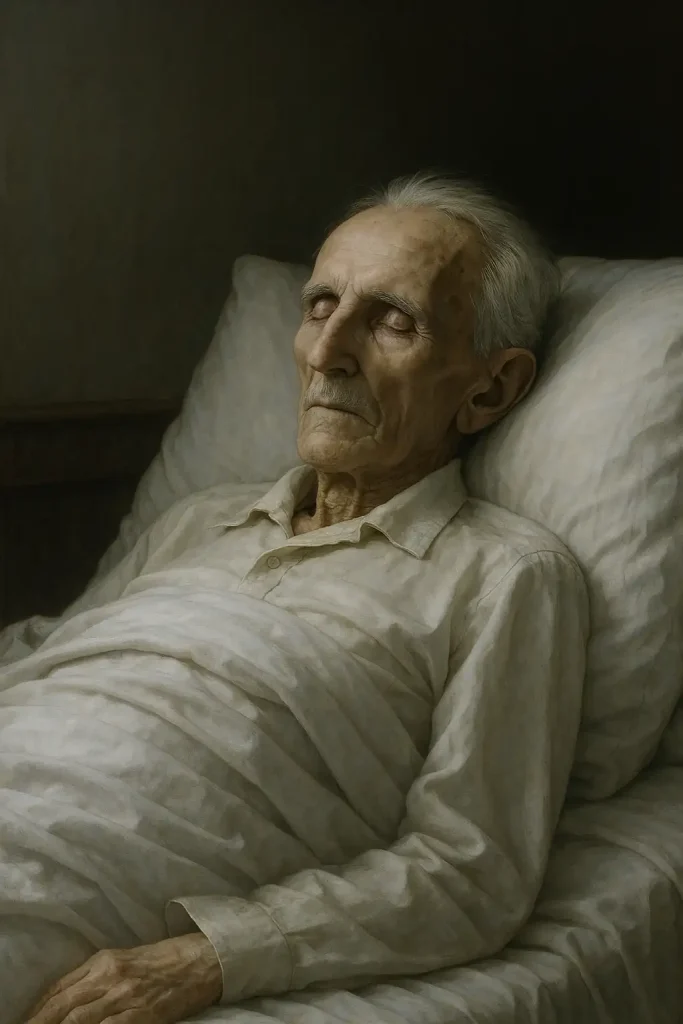
After 1920, Nikola Tesla lived quietly in New York hotels. Poverty forced him to accept charity. The Wardenclyffe vision faded into memory. His health worsened over time. He died on January 7, 1943, at age 86. Soon after, his papers were seized by the U.S. government. His reputation grew after death. The Tesla Science Center now preserves his work.
His influence shapes modern technology. Alternating current (AC) underpins electrical systems. Wireless energy ideas fuel current research. The Tesla coil supports scientific studies. In 2025, engineers draw from his patents for sustainability. Pop culture embraces him through films and Nikola Tesla books. His vision aligns with environmental goals. His legacy continues to evolve.
Recognition arrived late but firmly. The IEEE named him a milestone figure. Serbia hosts a museum in his honor. His name appears on various items. Debates about his life persist. This acknowledgment reflects his enduring impact. We conclude with his broader legacy.
Leave a Reply