Introduction
Plastics transform daily life, from medical devices to packaging. These synthetic polymers, molded into countless shapes, offer durability and flexibility. Plastic benefits include affordability and lightweight strength, revolutionizing industries. In 2023, global production hit 400 million tons, showcasing their dominance. Yet, their persistence in oceans and landfills sparks concern. From ancient resins to modern bio-plastics, plastics evolve with human needs. Their story blends innovation with environmental challenges, shaping tools and economies worldwide.
Plastics appear in cars, phones, and bottles, driving progress across industries. Their strengths fuel innovation, but pollution demands solutions. For example, microplastics harm marine life, pushing innovators to rethink materials. Manufacturers mold plastics into tools that define modern living, balancing convenience with sustainability. From hospitals to markets, plastics deliver functionality, underscoring their impact on daily routines and global systems.
History of Plastics
Plastic history begins with natural polymers like resin and rubber, used in ancient tools. In 1862, Alexander Parkes unveiled celluloid, a moldable substitute for ivory, sparking interest in synthetic materials. By 1869, John Wesley Hyatt refined celluloid to replace ivory in billiard balls, easing pressure on wildlife. These early plastics, derived from plant cellulose, laid the groundwork for modern polymers, blending science with necessity.
In 1907, Leo Baekeland invented Bakelite in the U.S., the first fully synthetic plastic, free of natural molecules. Designed as an electrical insulator, Bakelite fueled electrification, appearing in radios and phones. Its heat resistance made it a game-changer. Notably, plastic history advanced during World War II, with nylon—created in 1935 by Wallace Carothers—replacing silk in parachutes. This wartime push cemented plastics’ industrial role.
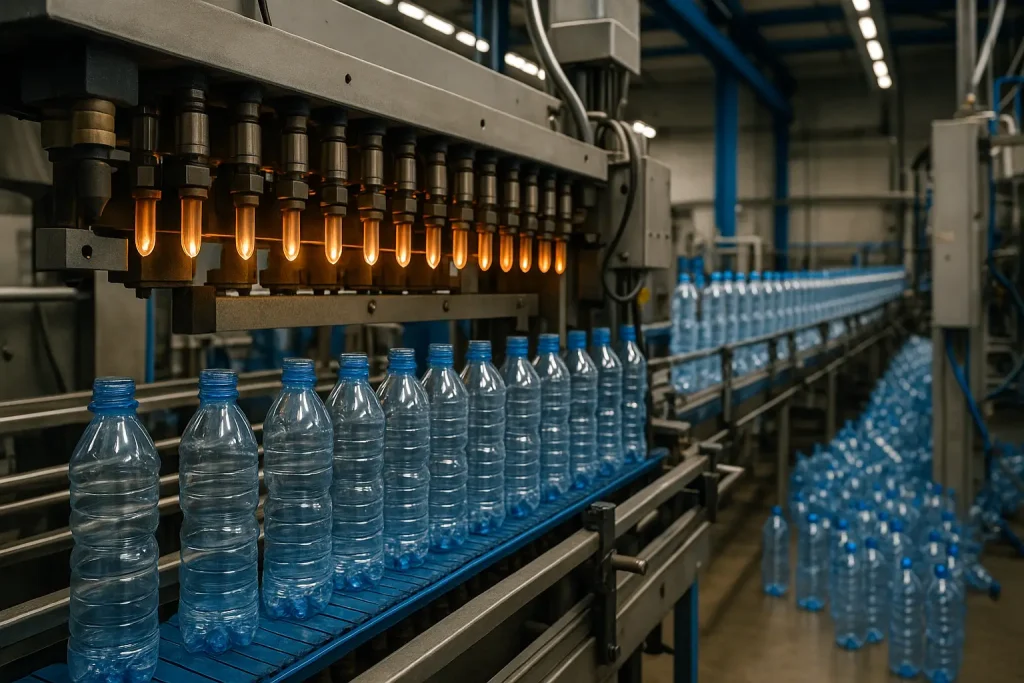
Post-war, plastics like polyethylene and polypropylene surged. Factories scaled production, introducing plastic bags and containers by the 1950s. Packaging revolutionized food storage, while industries embraced plastics for cars and appliances. For instance, post-war markets grew steadily, adopting synthetic polymers. These materials, born from oil and gas, made goods cheaper and more accessible worldwide.

Benefits to Humanity
Plastic benefits reshape industries with unmatched versatility. Their lightweight strength cuts fuel use in cars and planes, reducing vehicle weight by 10% and saving billions in costs. Medical fields thrive on plastics, from sterile syringes to heart valves, improving patient outcomes. Specifically, plastics’ affordability makes healthcare tools accessible, elevating global living standards. These qualities drive innovation across sectors.
Durability drives plastic benefits in daily use. Unlike glass, plastics resist shattering, making them ideal for bottles and windows. Packaging extends food shelf life, reducing waste. Their insulation properties save energy in buildings, cutting heating costs by 15%. Additionally, plastics enable technologies like smartphones, where flexible polymers protect circuits. These advantages make products safer, cheaper, and more efficient.
Plastics democratize goods, replacing costly materials like ivory or metal. Exports supply affordable furniture and tools globally. Historical shifts, like nylon’s wartime use, highlight their adaptability. For example, plastics replaced scarce resources, ensuring supply chains endured. From markets to hospitals, these strengths deliver safety, efficiency, and affordability, transforming how people live and work.

Drawbacks of Plastics
Plastic drawbacks stem from their environmental toll. Only 9% of the 6.3 billion tons produced by 2015 were recycled, leaving most in landfills or oceans. Annually, 8 million tons of plastic enter seas, killing marine life and breaking into microplastics. These particles, found in fish, enter human food chains, raising health risks. These issues threaten ecosystems and human well-being.
Health concerns amplify plastic challenges. Microplastics in water and air may cause respiratory issues or cancers, with studies linking them to liver damage. In 2023, over 400 million tons of plastic were produced, worsening pollution. Specifically, burning plastics releases toxic gases, harming air quality in urban areas. While plastics aid medicine, their waste endangers coastal communities, demanding urgent action.
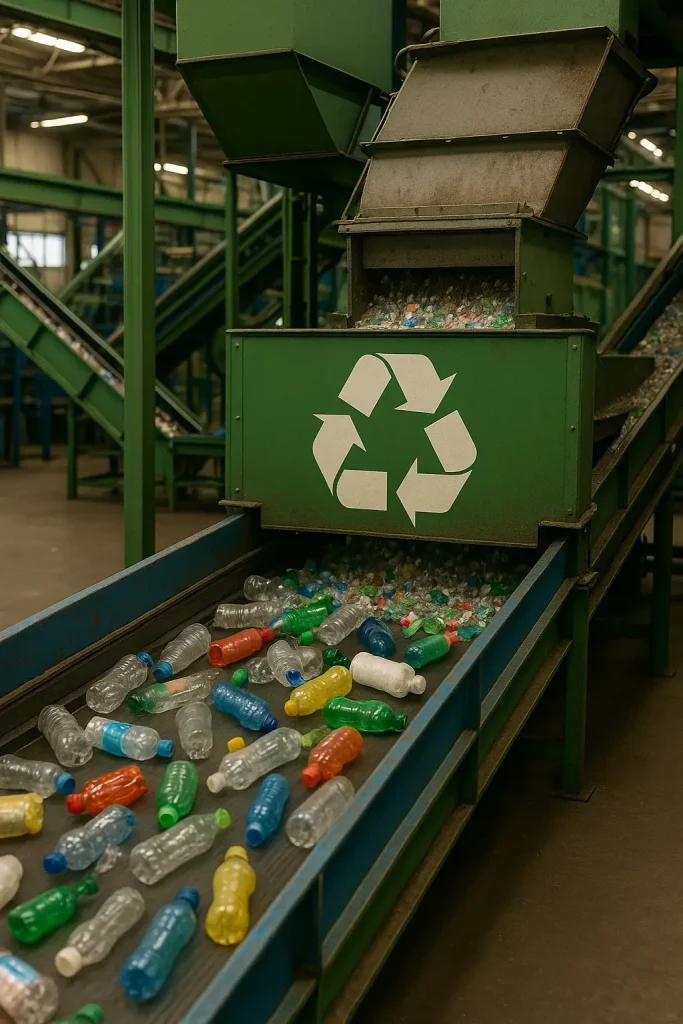
Low recycling rates frustrate solutions. Unlike metals, plastics’ low density makes sorting costly, with less than 10% globally reused. Single-use plastics, like bags, persist for centuries, clogging urban areas. For instance, governments push bans, but enforcement lags. Consequently, plastics’ durability, once a merit, now burdens nature, urging innovation in waste management and sustainable materials.

Future of Plastics
Plastic future hinges on sustainability and innovation. Biodegradable plastics, made from corn starch or algae, decompose naturally, unlike traditional polymers. By 2030, bio-plastics could capture 10% of the market, reducing landfill waste. Smart plastics, which change shape with heat or light, promise advances in medicine, like self-adjusting implants. Plastic future trends balance environmental needs with technological leaps.
Chemical recycling, using processes like pyrolysis to break plastics into reusable monomers, outperforms mechanical recycling, which grinds and melts plastics but degrades quality over time. This method could recycle 50% of waste by 2040. In Europe, pilot projects test chemical recycling, while plastic-to-fuel conversion gains traction. Durability persists in new forms, with sustainable plastics growing 5% yearly, driven by consumer awareness.
Alternatives challenge plastics’ dominance. Paper, glass, and bamboo replace single-use items, with bamboo straws gaining popularity in Turkey. Bio-plastics, though costlier, offer compostable packaging. For example, metal cans rival plastic bottles in durability. Governments incentivize these shifts, but scaling remains tough. Consequently, plastics evolve toward greener forms, blending tradition with eco-friendly solutions.
Leave a Reply