Introduction
Potato chips are crispy, salty snacks loved worldwide. They started in a small American kitchen and now fuel a multi-billion-dollar industry. Yet, potato chip health risks worry scientists and nutritionists. This article explores their history, production, health impacts, and varieties to reveal the truth behind this popular treat.
Chips taste great, but their ingredients and processing raise health concerns. Are they a harmless treat or a serious risk? We’ll examine their origins, manufacturing, health effects, and different types. Let’s dive in and see what science says about potato chip health risks.
History of Potato Chips
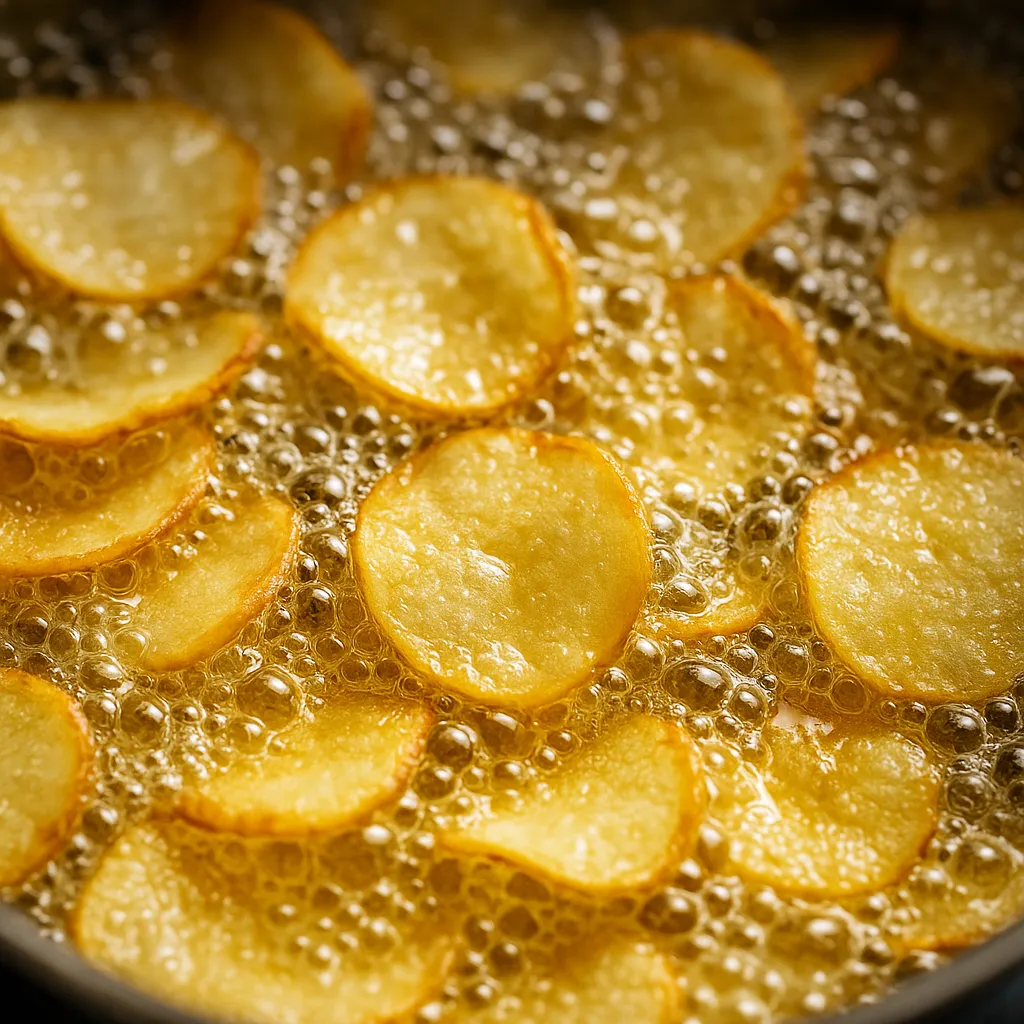
The history of potato chips began in 1853 in Saratoga Springs, New York. Chef George Crum, annoyed by a customer rejecting thick fried potatoes, sliced them thin, fried them crisp, and added salt. The customer loved them, and potato chips were born. This sparked a snacking revolution.
By the early 20th century, companies like Lay’s mass-produced chips. The history of potato chips shows technological leaps, with machines enabling large-scale production. Unique flavors, like vinegar in the UK or barbecue in the US, reflect cultural tastes. Today, the chip market is worth billions.
Health concerns about potato chip health risks emerged as chips became a diet staple. Critics noted their high fat and salt content. This mix of culinary creativity and health debates makes potato chips a fascinating topic in food culture.
Manufacturing Process and Ingredients
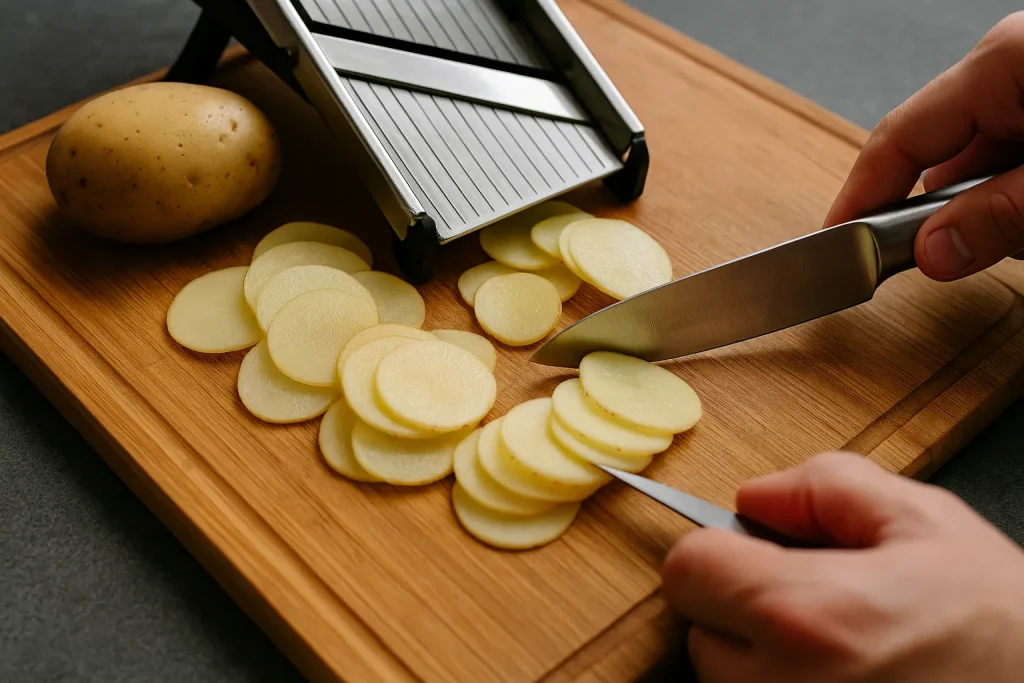
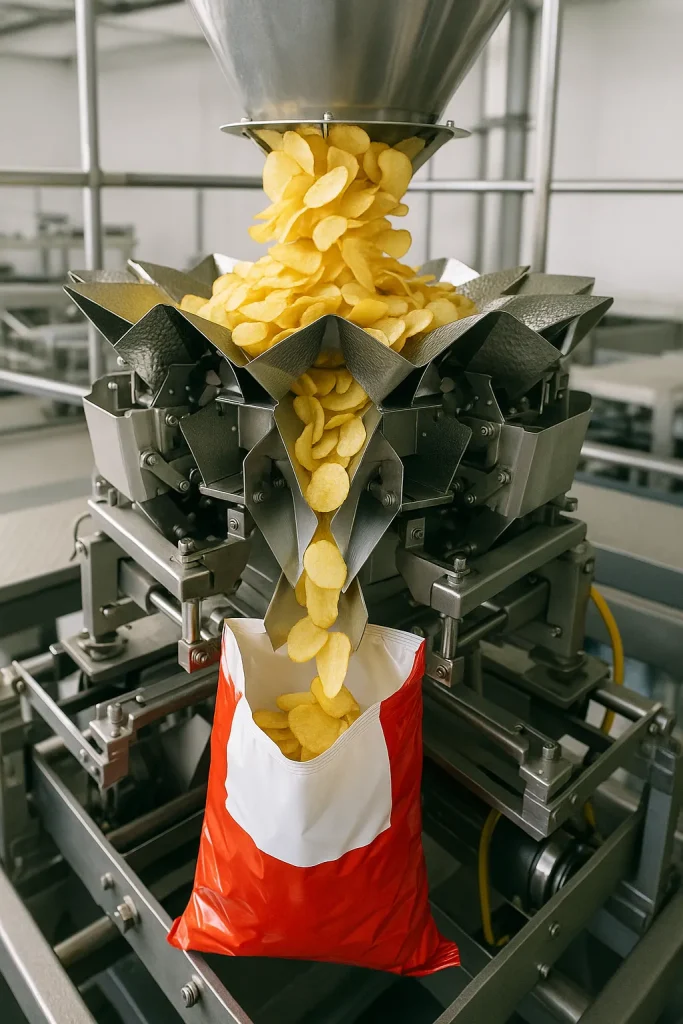
The chip manufacturing process uses high-starch potatoes like Russet or Yukon Gold for crispiness. Potatoes are washed, peeled, and sliced thin—less than a millimeter. They’re fried in hot oil, often sunflower or canola, at 350°F or baked for low-fat options. Chips are seasoned, cooled, and packaged. This chip manufacturing process adds to potato chip health risks due to oil absorption.
Ingredients include potatoes, oil, salt, and flavorings. Oils high in saturated or trans fats can raise cholesterol. Salt levels, often high per serving, risk hypertension. Artificial flavorings like MSG may cause mild reactions in some, though they’re generally safe.
Frying creates acrylamide, a chemical linked to cancer by the International Agency for Research on Cancer. This raises potato chip health risks, especially with frequent eating. Occasional snacking poses low risk, but long-term habits may increase exposure.
Healthier options like baked or low-salt chips exist but aren’t perfect. Alternative oils, like olive oil, reduce some risks, but calories remain high. Knowing how chips are made shows why moderation matters for this snack.
Health Impacts of Potato Chips
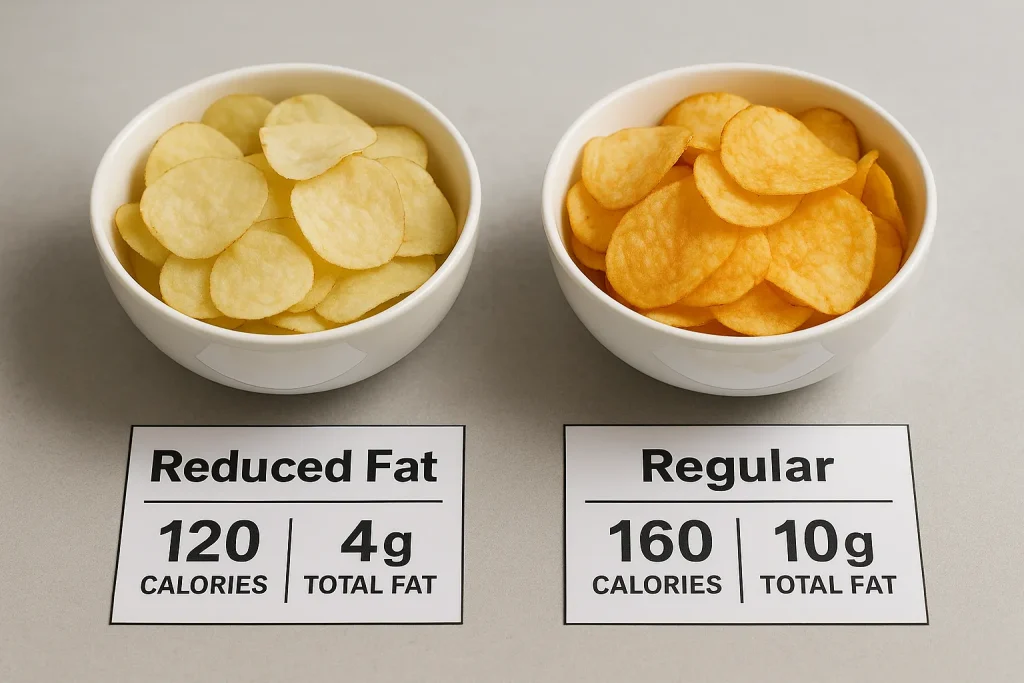
Potato chip health risks stem from high fat, salt, and calories. A 1-ounce serving has up to 10 grams of fat and 150–200 calories. Regular eating can lead to obesity, linked to diabetes and heart disease, per the Journal of the American Medical Association. Large bags make overeating easy.
High sodium in chips causes concern. Excessive salt raises hypertension risk, increasing chances of heart attacks and strokes, says the World Health Organization. Many chips have over 200 milligrams of sodium per serving, a big chunk of the 2,300-milligram daily limit.
Acrylamide, formed during frying, adds to potato chip health risks. The European Food Safety Authority links it to cancer with long-term exposure. Small amounts in chips are low-risk, but frequent snacking, especially in kids, may build up risks. Regulators push for lower acrylamide levels, but change is slow.
Baked or low-fat chips are better but lack nutrients. Pairing chips with veggies or hummus helps balance snacks. Still, potato chips are a treat, not health food. Moderation is key to reducing their impact.
Comparing Potato Chip Varieties
Not all chips are equal, and varieties affect potato chip health risks. Major brands like Lay’s, Pringles, and Kettle differ in approach. Lay’s classic chips, fried in vegetable oil, are high in calories and sodium. Kettle chips use thicker slices and sometimes healthier oils like olive, but calories stay high. Pringles, a processed snack, rely on additives and artificial flavors.
Plant-based chips, like Terra or Popchips, use sweet potatoes, beets, or kale. Some are baked, marketed as healthy chip alternatives. Yet, the American Journal of Clinical Nutrition notes many veggie chips have high oil and salt. Homemade chips, baked with minimal oil, offer control over ingredients but take effort.
Low-fat or baked chips, like Lay’s Baked, cut fat but may add sodium or flavorings to compensate. Comparing labels shows Kettle’s olive oil chips have less saturated fat than Lay’s but similar sodium. No chip is truly healthy, but baked or homemade options reduce some risks.

Leave a Reply