Introduction
Refrigerators are essential appliances, keeping food fresh and medicines safe in homes worldwide. From humble iceboxes to smart fridges with touchscreens, refrigerator technology has transformed daily life. These machines preserve perishable goods, making seasonal foods available year-round. Their evolution reflects human ingenuity, tackling challenges like food spoilage and energy use. Today, refrigerators are found in nearly every kitchen, a testament to their universal value.
This article explores the journey of refrigeration, from ancient methods to future innovations. It covers how refrigerators work, their historical impact, and modern advancements. Refrigerators have shaped society, from improving diets to supporting medical breakthroughs. Yet, they face environmental challenges that demand smarter solutions. Let’s dive in to understand why refrigerators are more than just kitchen appliances.

History of Refrigeration
Refrigerator history began long before electricity, with ancient civilizations storing ice. Egyptians cooled water in clay pots, while Persians built yakhchals—dome-shaped structures—to preserve ice in deserts. These early methods show human creativity in battling spoilage. By the 18th century, ice harvesting became common, with ice blocks stored in insulated cellars. Wealthy households used wooden iceboxes, relying on regular ice deliveries.
In the 19th century, inventors experimented with mechanical cooling. In 1834, Jacob Perkins designed a vapor-compression system, the foundation of modern refrigerator technology. By the 1920s, electric refrigerators entered homes, though they were costly luxuries. Early models used toxic gases like ammonia, requiring careful maintenance. These advancements made refrigeration accessible, changing how people stored and consumed food.
The 20th century saw refrigerators become household staples. Mass production lowered costs, and designs improved with features like freezers. By the 1950s, refrigerators were symbols of modernity, found in suburban kitchens. Refrigerator history reflects a shift from manual ice collection to automated cooling. This evolution continues to influence how we live and eat today.
How Refrigerators Work
Refrigerator technology relies on a simple principle: moving heat from inside to outside. The vapor-compression cycle, used in most fridges, involves a refrigerant—a liquid that absorbs heat. A compressor pumps the refrigerant through coils, compressing it into a hot gas. This gas releases heat outside the fridge, cooling as it expands into a liquid. The cycle repeats, keeping the interior cold and food fresh.
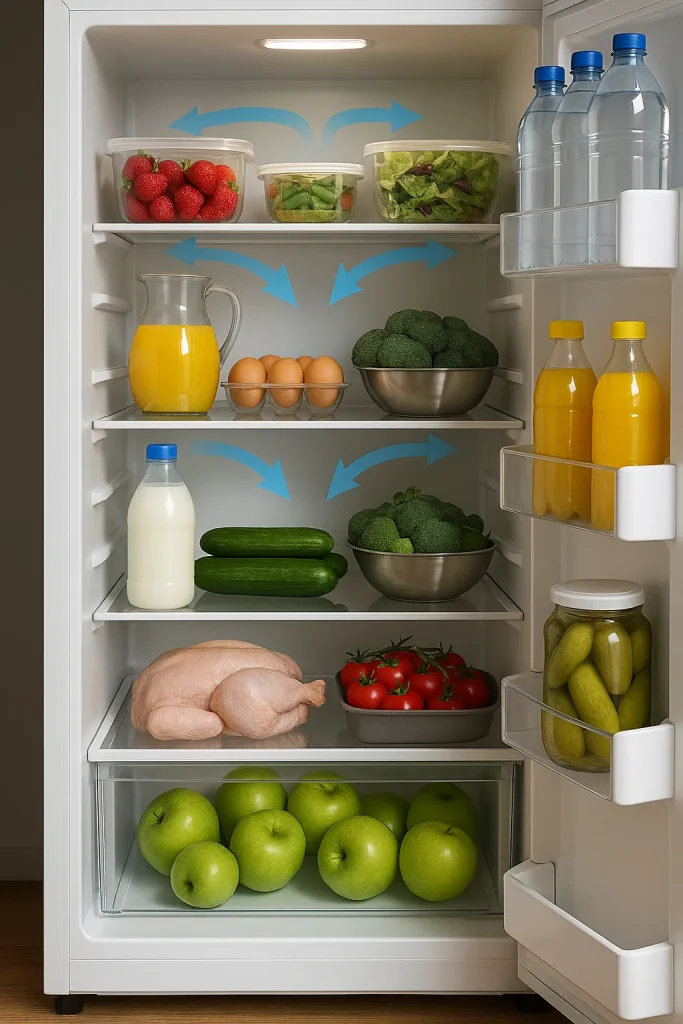
Key components make this process possible. The compressor, often at the fridge’s base, acts as the system’s heart, circulating refrigerant. Evaporator coils inside absorb heat, while condenser coils outside release it. A thermostat regulates temperature, ensuring efficiency. Modern refrigerators use fans to improve airflow, maintaining consistent cooling across shelves and drawers.
Refrigerants have evolved significantly over time. Early fridges used toxic substances like ammonia or sulfur dioxide, posing safety risks. In the 1930s, Freon (a chlorofluorocarbon) became popular but was later banned for harming the ozone layer. Today, eco-friendly refrigerants like HFCs (hydrofluorocarbons) are standard, balancing safety and environmental impact. Refrigerator technology continues to refine these chemicals for better performance.
The design of refrigerators enhances their functionality. Insulated walls prevent heat from entering, while door seals maintain a tight barrier. Features like adjustable shelves and crisper drawers optimize storage for different foods. Some models include ice makers or water dispensers, adding convenience. Understanding how refrigerators work reveals the engineering behind their everyday magic.
Applications Across History
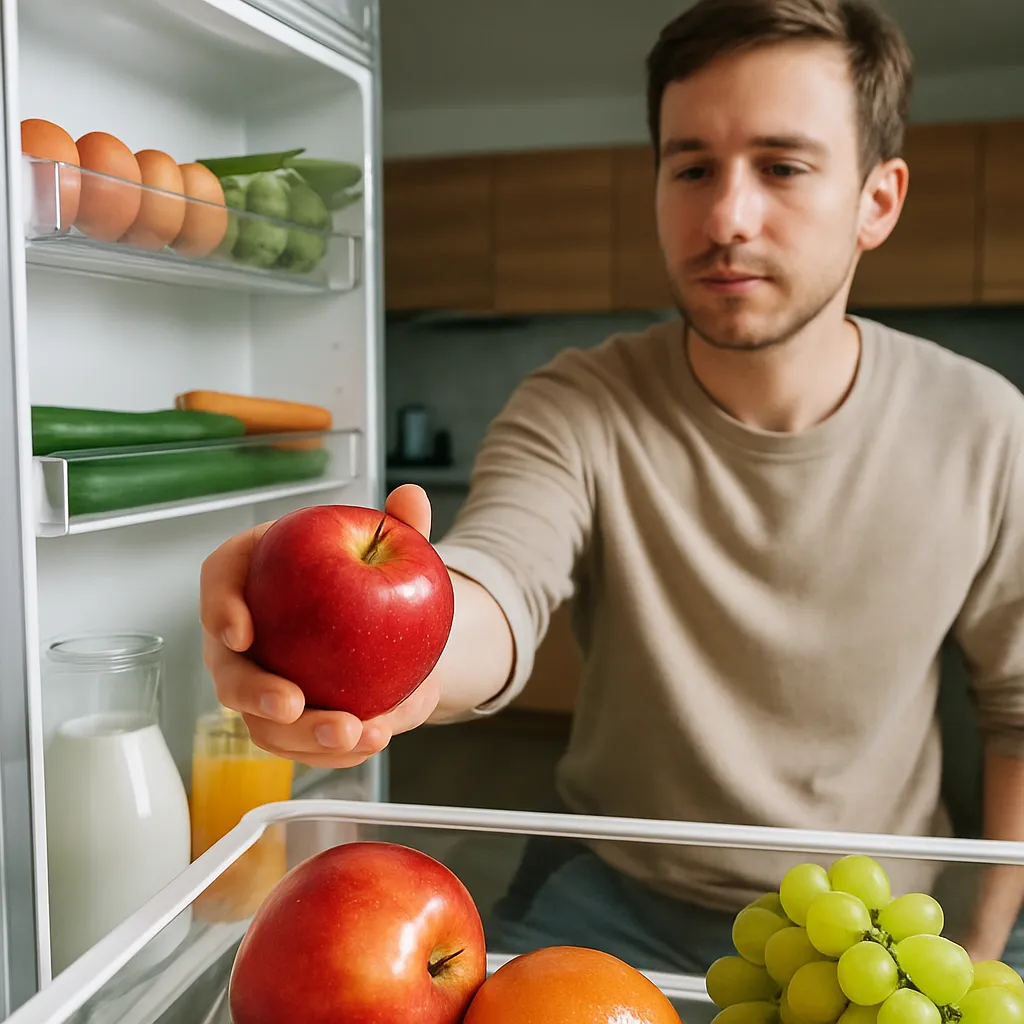
Refrigerators have transformed human life by preserving food and beyond. In the 19th century, iceboxes allowed families to store meat and dairy longer, reducing waste. This extended food availability, improving diets and health. By the 1920s, electric refrigerators enabled year-round access to fresh produce, reshaping meal planning. Refrigerator benefits made seasonal foods like fruits available in winter, boosting nutrition.
Beyond kitchens, refrigerators have critical medical applications. They store vaccines, blood, and medications at precise temperatures, saving lives. In remote areas, portable solar-powered fridges deliver vaccines, supporting global health campaigns. During the 20th century, refrigerators enabled large-scale food distribution, powering supermarkets and reducing hunger. These refrigerator benefits revolutionized industries and societies worldwide.
Refrigerators also support science and technology. They cool supercomputers, maintaining performance in data centers. In space missions, compact fridges preserve samples and food for astronauts. From ancient ice storage to modern labs, refrigerator applications have grown diverse. Their ability to maintain cold environments has shaped progress, making them indispensable across history.
Current Trends and Challenges
Modern refrigerators boast advanced features, reflecting refrigerator innovations. Smart fridges with Wi-Fi and touchscreens let users check contents remotely or track expiration dates. Energy-efficient models use LED lighting and inverter compressors to save power. Some include cameras inside, allowing grocery shopping from smartphones. These advancements make refrigerators more convenient and eco-friendly, appealing to tech-savvy consumers.
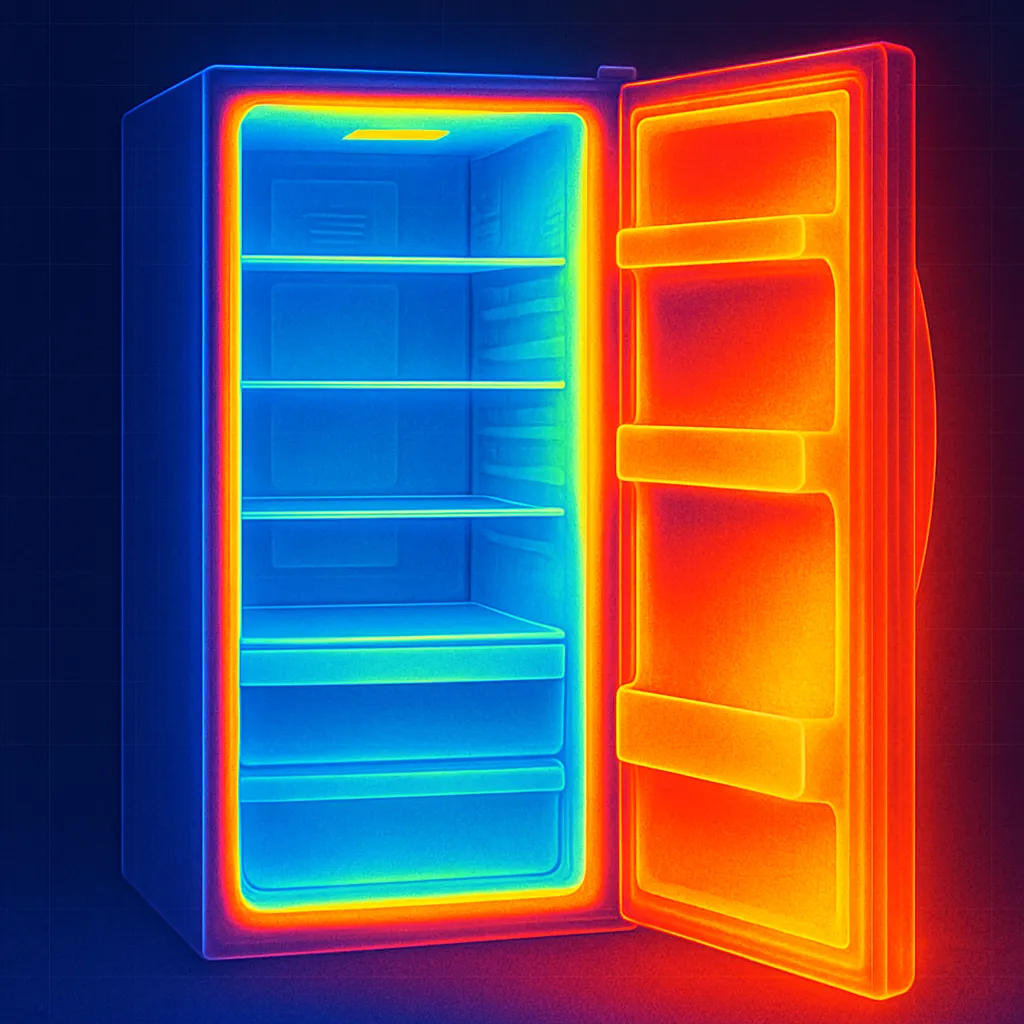
Energy efficiency is a major focus, as refrigerators run 24/7. New models meet strict standards, like Energy Star ratings, cutting electricity use by up to 20%. Improved insulation and precise thermostats reduce waste, lowering bills and emissions. However, older fridges, still common in many homes, consume more power. Upgrading to efficient models is a growing trend, driven by cost and environmental concerns.
Environmental challenges remain significant. Refrigerant leaks contribute to greenhouse gas emissions, though newer HFCs are less harmful than Freon. Manufacturing and disposing of refrigerators generate waste, straining landfills. Recycling programs aim to recover materials, but adoption varies globally. Refrigerator innovations, like biodegradable insulation, seek to address these issues, but scaling solutions is complex.
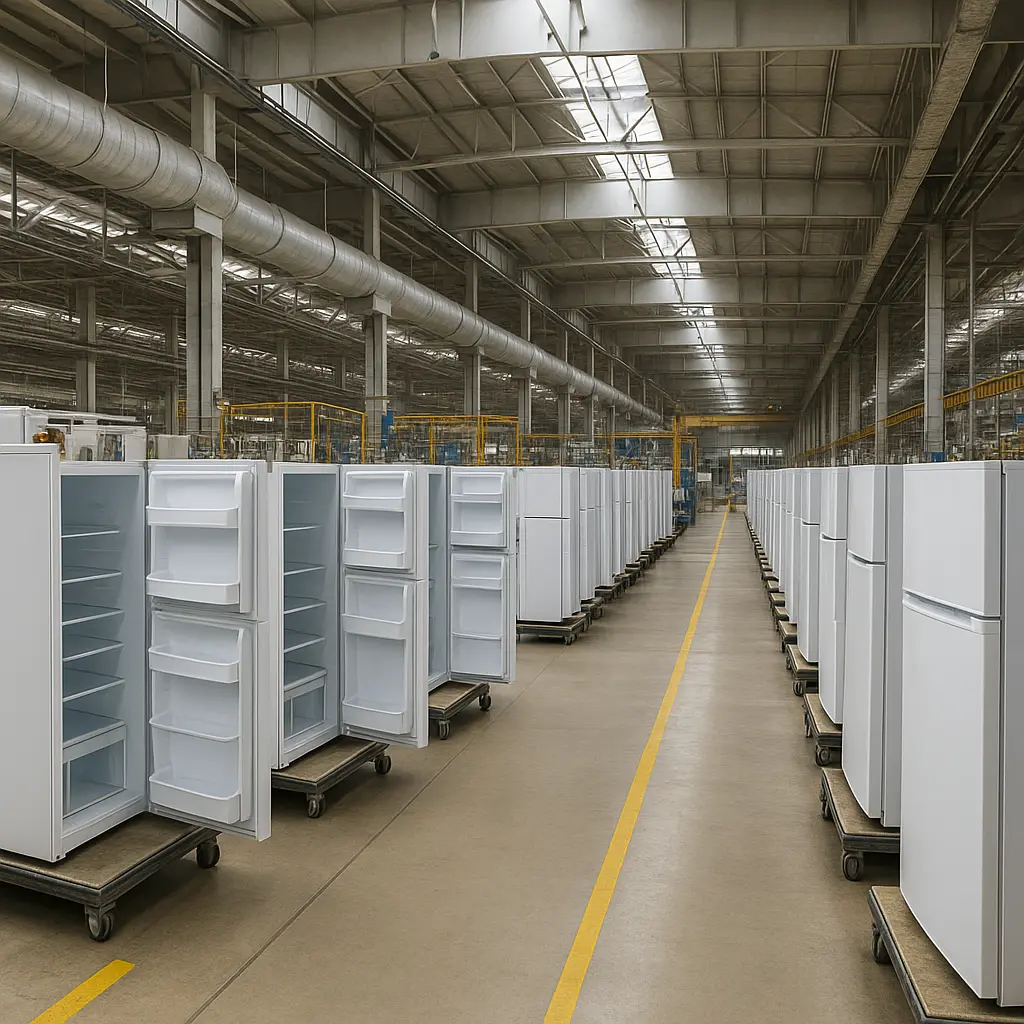
Consumer demands shape refrigerator trends. Compact models suit small apartments, while large French-door fridges fit big families. Customizable panels and sleek designs blend with kitchen aesthetics. Yet, high-tech features raise costs, limiting access for some. Balancing affordability, sustainability, and functionality is a key challenge for manufacturers navigating today’s market.
Leave a Reply