Introduction
The Titan moon, Saturn’s largest companion, stands out with its thick atmosphere and liquid methane lakes, making it a fascinating subject in our solar system. Larger than Mercury and cloaked in a golden haze, it is the only moon besides Earth with stable surface liquids. Scientists speculate that beneath its icy crust lies a subsurface ocean, raising questions about potential life. This article explores whether life could exist under Titan’s ice and reviews past and future space missions.
Titan’s environment, with its hydrocarbon lakes and rivers, mirrors some of Earth’s early conditions, sparking interest in its potential for life. The Titan moon’s discovery of a hidden ocean, possibly dozens of miles deep, has fueled research into extraterrestrial biology. Space missions have provided clues, and upcoming projects promise deeper insights, blending scientific curiosity with exploration. Let’s dive into this intriguing world.
While its cold surface might seem inhospitable, the Titan moon’s unique features keep it in the spotlight. Its icy shell and liquid dynamics suggest a complex system worth studying. Whether life exists or not, the quest to understand Titan drives both scientific and public interest.
Possibility of Life Under Ice
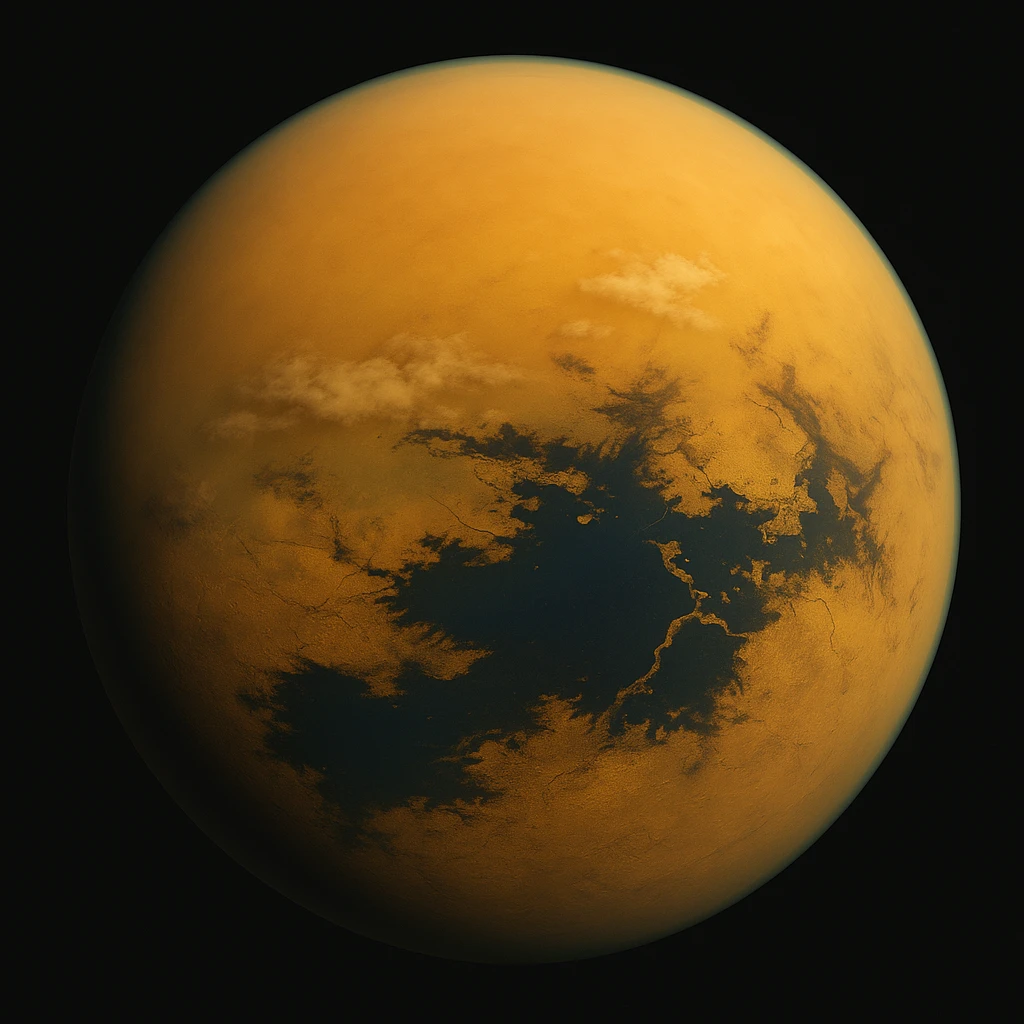
The Titan moon’s icy crust, estimated at 6-10 miles thick and composed of water and methane ice, may conceal a subsurface ocean of liquid water and ammonia. This ocean, detected via Cassini’s gravity measurements, could be warmed by geothermal activity, potentially supporting microbial life similar to Earth’s deep-sea vent bacteria. However, Titan’s organic material, abundant on the surface as methane and ethane, might not easily reach this ocean, limiting nutrient availability for life forms.
Comparatively, Jupiter’s moon Europa offers a sharper contrast for analysis. Europa’s subsurface ocean, beneath a thinner ice shell of 2-3 miles, likely interacts more directly with its rocky core, providing minerals and heat from hydrothermal vents—key for life as we know it. Titan’s ocean, while possibly deeper, is more isolated, with a 2025 study based on Cassini data suggesting a biomass of less than one microbial cell per liter due to this separation. Titan subsurface life might instead rely on methane-based biochemistry, unlike Europa’s water-focused potential, highlighting Titan’s unique challenge.
Despite these hurdles, Titan’s organic richness—complex molecules like tholins raining from its atmosphere—offers a prebiotic playground. Researchers like Jonathan Lunine argue that even simple methane-based microbes could exist, redefining habitability. The Titan moon thus presents a dual path for life: water-based deep below or methane-based near the surface, making it a compelling target for astrobiology.
Past Space Missions
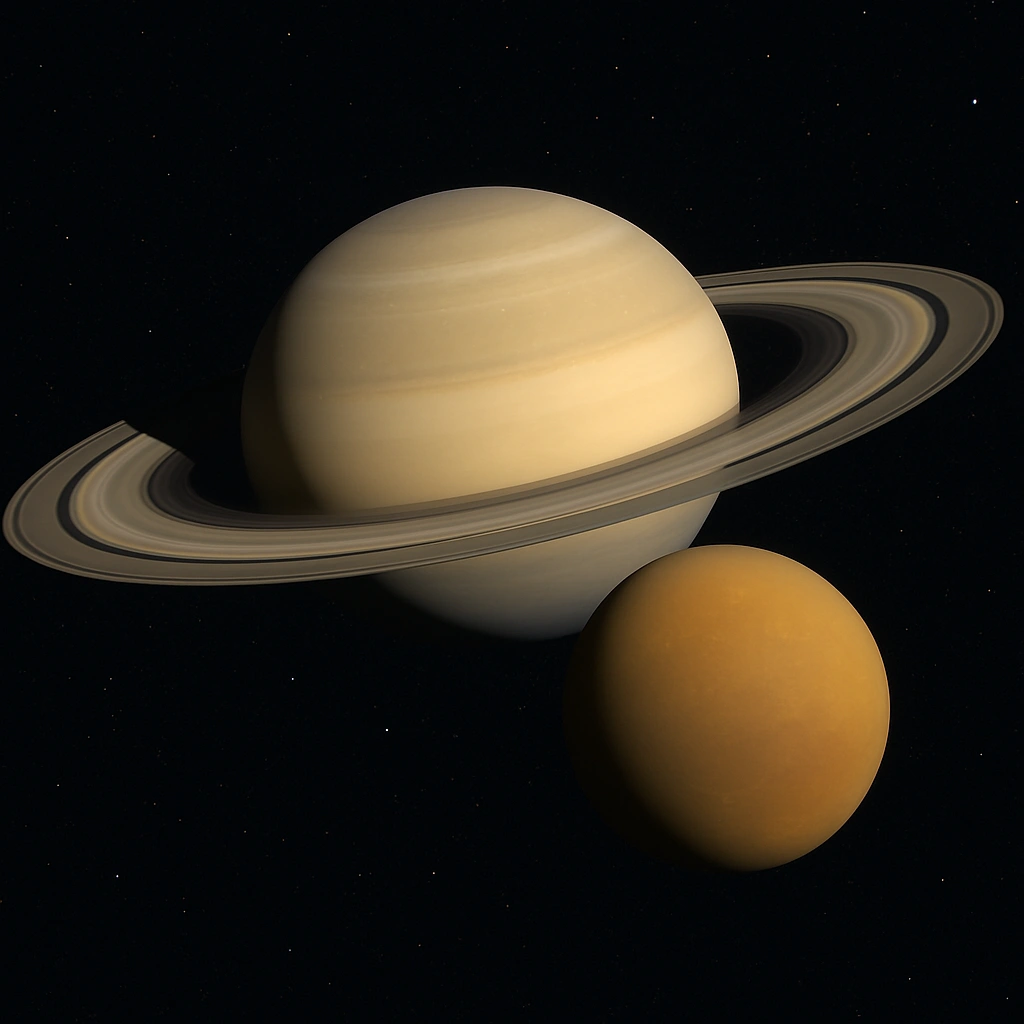
The Titan moon first came into focus with Pioneer 11 in 1979, offering initial glimpses of Saturn’s system and hinting at its thick atmosphere. Voyager 1 followed in 1980, capturing fuzzy images through the haze and confirming a dynamic surface. The Cassini mission, orbiting Saturn from 2004 to 2017, marked a breakthrough, with its Huygens probe landing on Titan in 2005, revealing icy plains and dry riverbeds.
Cassini’s radar mapped over 90 craters and detected a subsurface ocean, while Huygens photographed a landscape shaped by liquid methane flows. The Cassini mission also identified organic compounds raining onto the surface, suggesting a rich chemical environment. Scientists celebrated these findings, piecing together a world that feels both alien and familiar.
These efforts laid a foundation for understanding Titan’s potential. The data from past missions highlighted liquid cycles and a flexible crust, setting the stage for future exploration. The Titan moon’s past probes have been crucial steps in unraveling its mysteries.
Future Space Missions
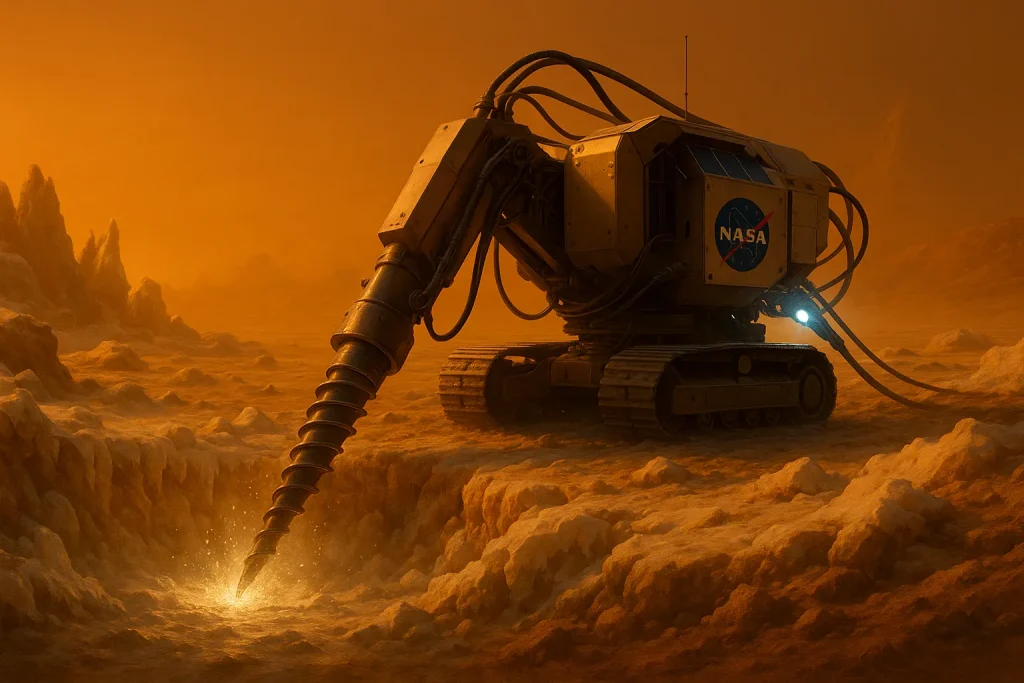
The Titan moon’s next chapter features the Dragonfly mission, a NASA rotorcraft set to launch in 2028 and land by 2034. Equipped with eight rotors, it will explore the Selk crater, analyzing chemicals and searching for biosignatures to assess prebiotic processes. This mission could uncover evidence of life’s building blocks, offering a glimpse into Titan’s past.
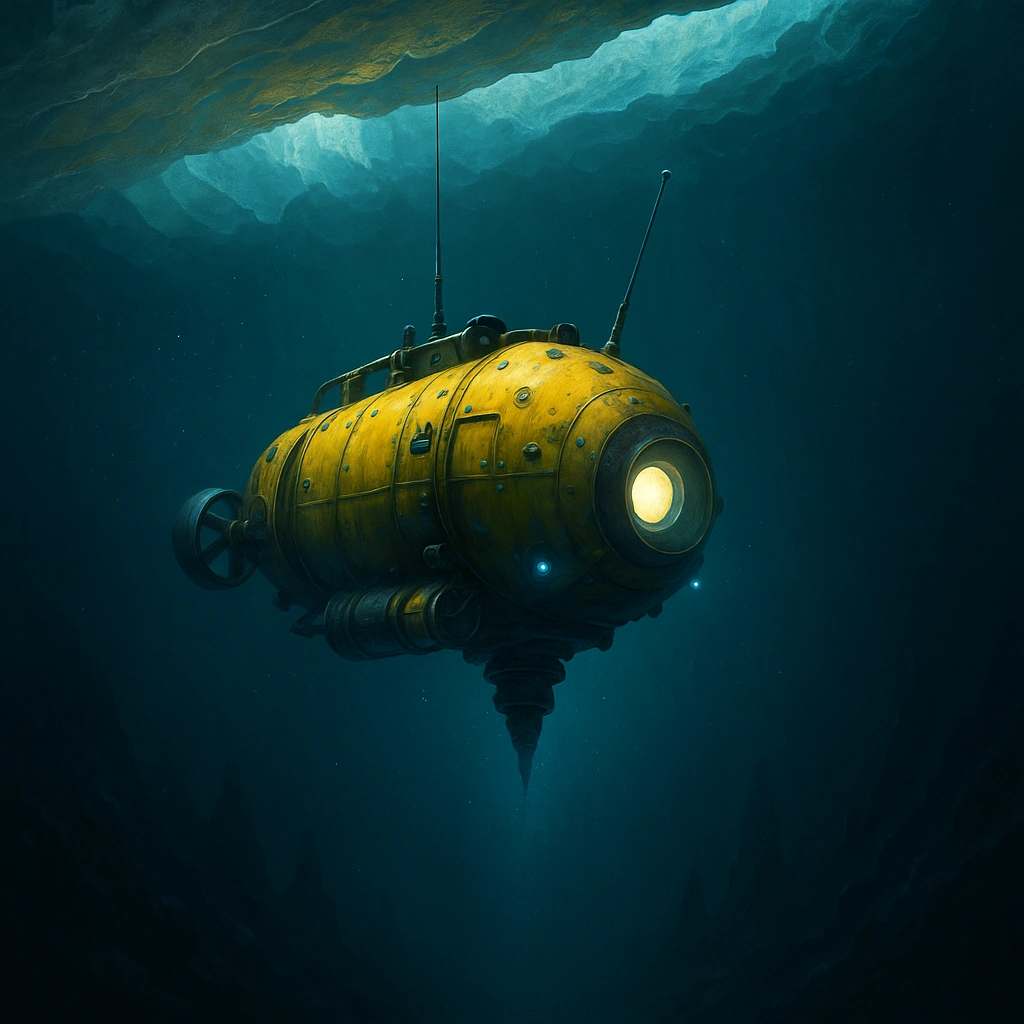
Other concepts include the Titan Mare Explorer (TiME), a proposed submersible for the 2030s to sample methane seas, paired with an orbiter for broader data. A Montgolfière balloon idea, also eyed for 2030, would drift over Titan’s dunes, gathering atmospheric insights. These plans aim to deepen our understanding of habitability.
Success depends on technological advances and funding, but the potential rewards are significant. The Titan moon’s future missions promise to push the boundaries of exploration, bringing us closer to answering whether life could exist there.
Challenges and Hope
The Titan moon’s thick icy shell creates significant barriers, as its isolation limits the flow of surface organics to the subsurface ocean. Cassini data indicates that the ocean’s nutrient scarcity might restrict biomass to less than one microbial cell per liter, making life detection difficult. Landing sites like Selk crater must be chosen carefully to avoid unstable terrain, and the methane ice composition adds further complexity to exploration efforts.
Yet, there is optimism if the crust is convecting, driven by internal heat from Titan’s core, which could bring biomarkers like amino acids to the surface for Dragonfly to detect. Titan’s organic abundance, with molecules like benzene and ethane on the surface, keeps the possibility of methane-based life alive, even if sparse. Researchers remain hopeful, seeing each mission as a step toward understanding Titan’s habitability, despite the challenges posed by its harsh environment.
Titan acts as a natural laboratory for studying life’s origins, offering insights into alternative biochemistries. Its challenges inspire advancements in space technology, from rotorcraft to potential submarines. The Titan moon continues to captivate, balancing scientific hurdles with the promise of groundbreaking discoveries.

Leave a Reply