Introduction
Phosphorus benefits for health are essential for a strong body. It supports bones, teeth, and energy production. Therefore, understanding phosphorus benefits for health is key. Many people overlook this mineral in their diets. In addition, it plays a role in cell repair. As of May 2025, research highlights its importance. Moreover, dietary trends focus on nutrient balance. Yet, deficiency is a growing concern globally. Furthermore, natural sources are accessible and affordable. This guide explores how phosphorus benefits your health. It also covers intake and deficiency signs. Consequently, you can optimize your nutrition easily.
Phosphorus is abundant in nature but often misunderstood. However, learning about phosphorus benefits for health improves well-being. For beginners, one gram equals 1,000 milligrams. In addition, consult a doctor for personalized advice.
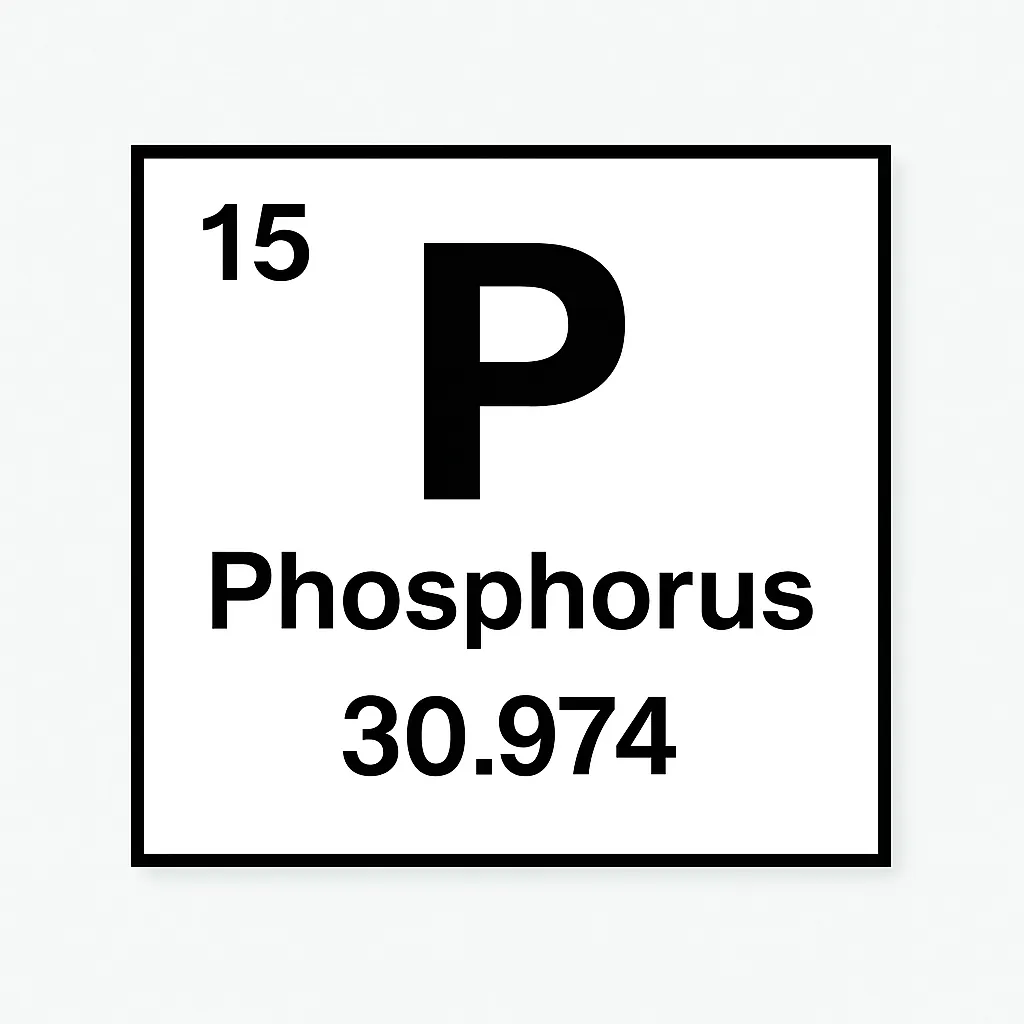
Why Phosphorus Benefits for Health Matter
Phosphorus benefits for health are significant in daily life. It makes up about 1% of your body weight. Therefore, it strengthens bones and teeth with calcium. Studies show it supports over 80% of bone mineral content. Moreover, it aids energy production via ATP. The National Institutes of Health confirms this role. In addition, it helps with DNA formation and repair. This is crucial for cell growth. However, too much or too little can harm you.
Phosphorus also balances pH levels in the body. It keeps muscles and nerves functioning well. Furthermore, it supports kidney health indirectly. As a result, a balanced diet prevents issues. It ensures your body thrives daily. Therefore, knowing natural sources is essential. They provide this mineral affordably. In addition, awareness reduces health risks effectively. Consequently, phosphorus benefits for health impact overall vitality.
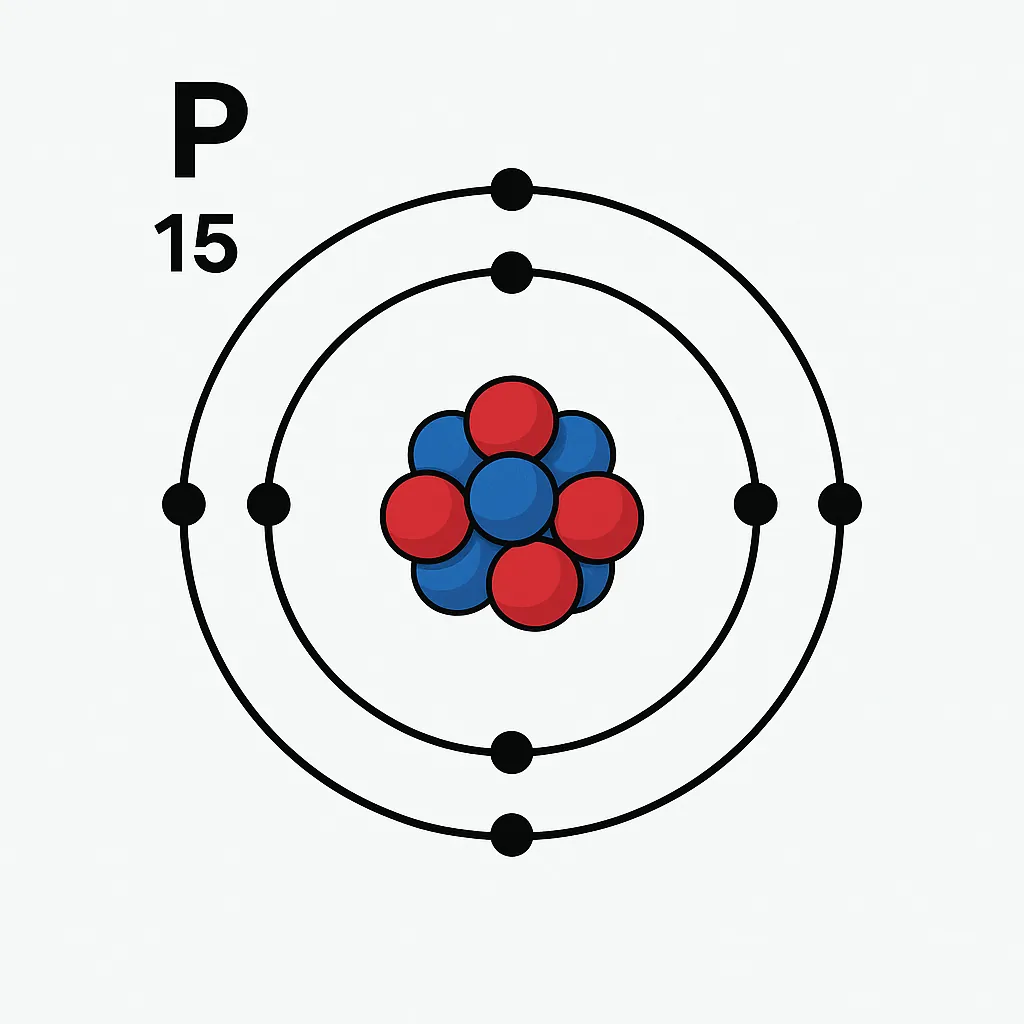
Natural Phosphorus Sources and Daily Intake
Natural phosphorus sources are easy to find. They include foods you likely eat daily. Therefore, dairy products like milk offer 250 mg per cup. Cheese and yogurt are also rich options. In addition, meat provides high levels. A 3-ounce chicken breast gives 200 mg. Moreover, fish like salmon adds 300 mg per serving. These support phosphorus benefits for health naturally.
Legumes are great for vegetarians. A cup of cooked lentils offers 350 mg. Nuts and seeds, such as almonds, provide 130 mg per ounce. Furthermore, whole grains like oats contribute 200 mg per cup. As a result, variety ensures sufficient intake. Adults need 700 mg daily, per NIH guidelines. In addition, children require 500-1,250 mg based on age. Pregnant women need 1,250 mg. Consequently, these foods support healthy phosphorus intake.
Incorporate phosphorus daily for benefits. Start with breakfast using oats. Therefore, add almonds for a nutrient boost. Lunch with chicken and lentils meets half your needs. In addition, steam veggies to retain nutrients. This saves time and money. Moreover, avoid overcooking meat. It preserves phosphorus content. As a result, your diet stays balanced.
Phosphorus Deficiency Signs to Watch
Phosphorus deficiency signs can appear subtly. Low levels affect bone health first. Therefore, weak bones or fractures may occur. Studies link this to less than 700 mg daily. In addition, fatigue and muscle weakness develop. The body struggles to produce energy. Moreover, poor appetite or weight loss follows. These signs need attention quickly.
Numbness and tingling are other clues. They signal nerve issues from low phosphorus. Furthermore, irregular breathing can happen. This is rare but serious. As a result, early detection is vital. It prevents long-term damage. Therefore, knowing phosphorus deficiency signs helps. Testing blood levels confirms the issue. In addition, diet adjustments fix it often. Consequently, awareness improves health outcomes.
Children and older adults are at risk. Pregnant women need more too. Therefore, consult a healthcare provider. They guide you on healthy phosphorus intake. Monitoring prevents complications effectively. Moreover, balanced meals reduce these risks.
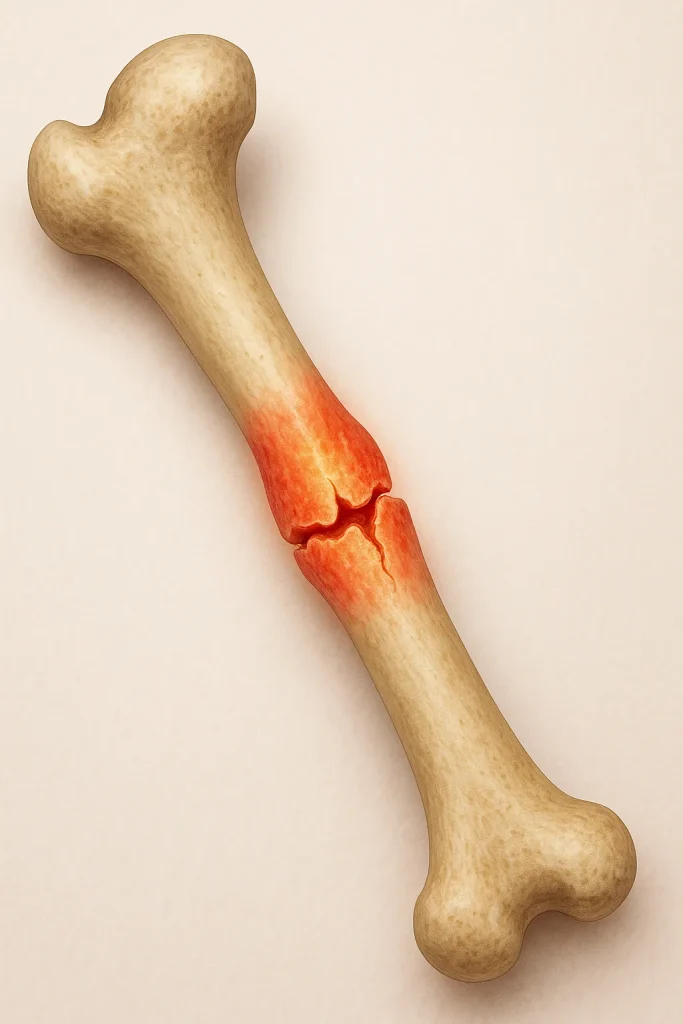
Risks of Excess Phosphorus and Balance
Healthy phosphorus intake varies by needs. Excess above 4,000 mg harms kidneys. Therefore, limit sodas and fast food. They add too much from additives. In addition, kidney patients need lower levels. Doctors adjust intake for them. Moreover, balance prevents issues. Natural sources are safer options.
Timing matters for absorption. Eat phosphorus with calcium-rich foods. Therefore, pair milk with nuts for balance. In addition, avoid high doses of iron supplements. They interfere with absorption. Furthermore, blood tests monitor levels. As a result, you stay healthy long-term. Too much phosphorus comes from processed foods. Consequently, whole foods reduce this risk.
Balance is key to avoid harm. Excess affects bone health negatively. Therefore, check labels on packaged items. Choose natural options instead. In addition, drink water to support kidneys. This aids mineral use effectively. Phosphorus benefits for health depend on moderation.

Leave a Reply