Introduction
What is a VPN? A Virtual Private Network establishes a secure, private connection over the internet. It encrypts data and hides the user’s IP address to protect online activities. Cybersecurity protection is essential in today’s digital landscape. For instance, secure networks shield sensitive information from hackers on public Wi-Fi. Research indicates growing global adoption of these systems. Understanding what is a VPN clarifies its role in digital security.
Moreover, virtual networks enable access to restricted content by bypassing geographic barriers. Data suggests users rely on privacy tools to counter censorship or access global platforms. However, challenges like slower connection speeds persist. Therefore, analyzing their technology, evolution, applications, and challenges provides valuable insights. This exploration of what is a VPN highlights its importance in modern connectivity. The analysis offers a scientific perspective for readers.
VPN Technology Explained
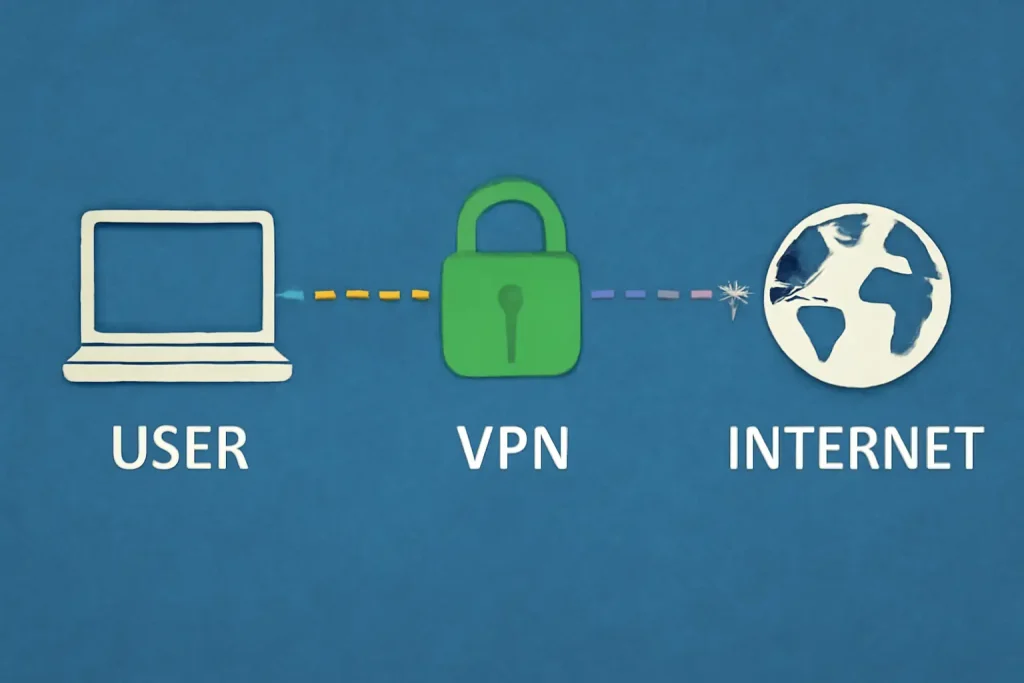
What is a VPN technically? A secure network creates an encrypted tunnel between a user’s device and a remote server. Data travels safely through this tunnel, protected from unauthorized access. For example, data encryption using AES-256 ensures robust security. VPN protocols, such as OpenVPN, maintain connection integrity. This mechanism safeguards communications from surveillance.
Furthermore, the system replaces the user’s IP address with the server’s address. This conceals the user’s location, enhancing privacy. For instance, modern VPN protocols like WireGuard balance speed and security. However, protocol selection depends on specific needs. Studies highlight protocols’ impact on performance. This technology is central to understanding what is a VPN.
Additionally, servers operate globally, allowing users to connect to desired regions. This facilitates bypassing geographic restrictions or censorship. Moreover, encrypted content within the tunnel resists firewall detection. This makes secure networks ideal for privacy-focused users. Advanced systems bolster cybersecurity protection effectively.
Evolution of VPN Technology
The technology began in 1996 with Microsoft’s PPTP protocol. It aimed to provide secure remote connections for corporate networks. For example, businesses used these systems to protect sensitive information. This marked a key milestone in network security. Sources confirm PPTP’s foundational role.
In the 2000s, protocols like L2TP and OpenVPN emerged. These improved security and adaptability. For instance, OpenVPN’s open-source design earned user trust. However, early protocols often faced speed limitations. Advancements expanded the value of virtual networks. This evolution broadened secure networking’s appeal.
By the 2010s, rising internet censorship fueled demand for privacy tools. Individual users adopted secure networks for privacy and unrestricted content access. Additionally, increasing cyber threats emphasized the need for cybersecurity protection. Data projects significant market growth for these systems by 2025. They evolved from corporate tools to mainstream solutions.
Consequently, innovations like cloud-based systems have enhanced scalability. These solutions support global teams with seamless connectivity. Nevertheless, legal restrictions in some regions create obstacles. Ongoing developments highlight the growing digital significance of secure networks.
Real-world VPN Applications
A key use of secure networks is protecting online privacy. They encrypt data, shielding activities from surveillance. For instance, data encryption on public Wi-Fi prevents information theft. Research shows users value protection against monitoring. This ensures privacy in digital spaces. Exploring what is a VPN reveals its practical importance.
Moreover, virtual networks unlock geo-restricted content. Users connect to servers in other countries to access blocked services. For example, they allow streaming region-locked content on platforms like Netflix. However, some services actively block these systems. This versatility addresses secure networking for everyday needs.
Furthermore, privacy tools enable secure remote access to corporate systems. Employees access files and networks safely from any location. This supports productivity in remote work environments. Studies confirm their role in enhancing business efficiency. These applications demonstrate the utility of virtual networks.

VPN Benefits and Challenges
The primary benefit of secure networks is security. Data encryption protects information from cyber threats. For example, they reduce risks on unsecured public networks. Additionally, IP address masking ensures user anonymity. Research underscores security as a top priority. This drives adoption of what is a VPN. Cybersecurity protection remains a core advantage.
Furthermore, these systems bypass geographic restrictions effectively. Users access global content, from streaming platforms to censored websites. For instance, journalists in restricted areas rely on privacy tools for open communication. Nevertheless, this may violate local regulations. Unrestricted access is a significant benefit.
However, virtual networks face limitations. Encryption and server distance often slow internet connections. For example, remote servers increase latency. Additionally, some countries prohibit their use, posing legal risks. Data highlights speed and compliance as user challenges. These issues affect broad adoption.
Consequently, premium services can be expensive. Free options often lack robust security or log user data. For instance, free services may include intrusive ads. Therefore, choosing a reliable provider requires careful evaluation. Balancing benefits and challenges clarifies secure networking in context.

Leave a Reply