Introduction
Picture a world without gasoline cars or plastic bottles. To understand what is crude oil, consider that this dark, sticky liquid powers modern life. In 2023, the world consumed 34 billion barrels, per industry data. From fueling jets to making everyday items, crude oil is everywhere. But what are its properties? How is it produced, and at what cost? This article explores crude oil’s makeup, production, uses, and drawbacks, with a brief nod to its past. Join us to uncover this vital resource.
“Crude oil is the lifeblood of industry,” a 2024 petrochemical engineer said. What is crude oil if not the backbone of thousands of products? Yet, its extraction and use spark pollution and economic risks. We’ll dive into its chemical composition, complex production, and vast applications. We’ll also tackle the environmental and social toll. Ready to explore the world of crude oil?
History: A Brief Look
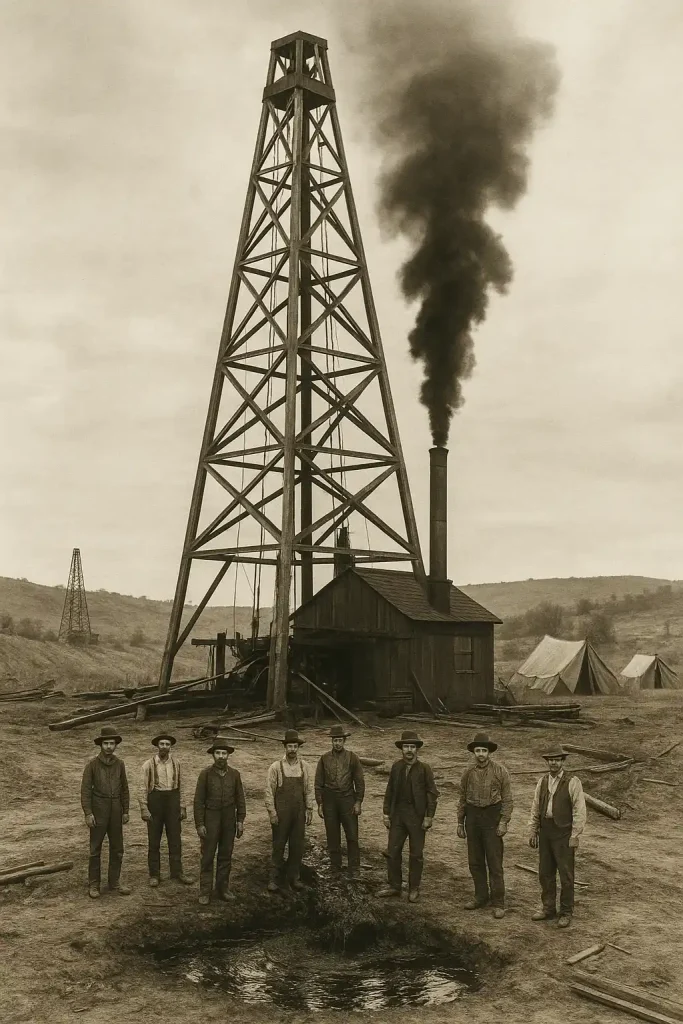
What is crude oil without its ancient roots? Formed millions of years ago from plants and algae, its modern use began in 1859 when Edwin Drake drilled the first commercial well in Titusville, Pennsylvania. This sparked an “oil rush,” with global production hitting 150 million barrels by 1900. Companies like Standard Oil rose, making crude oil the fuel of the 20th century. This brief start paved the way for a massive industry.
The 20th century saw crude oil drive wars and economies. Major fields, like those in the Middle East starting in 1908, reshaped production. By 1925, annual output reached 1 billion barrels, per historical records. Cars, planes, and petrochemicals leaned on crude oil. This quick history sets the stage. Now, let’s focus on crude oil’s properties and how it works today.
Properties of Oil
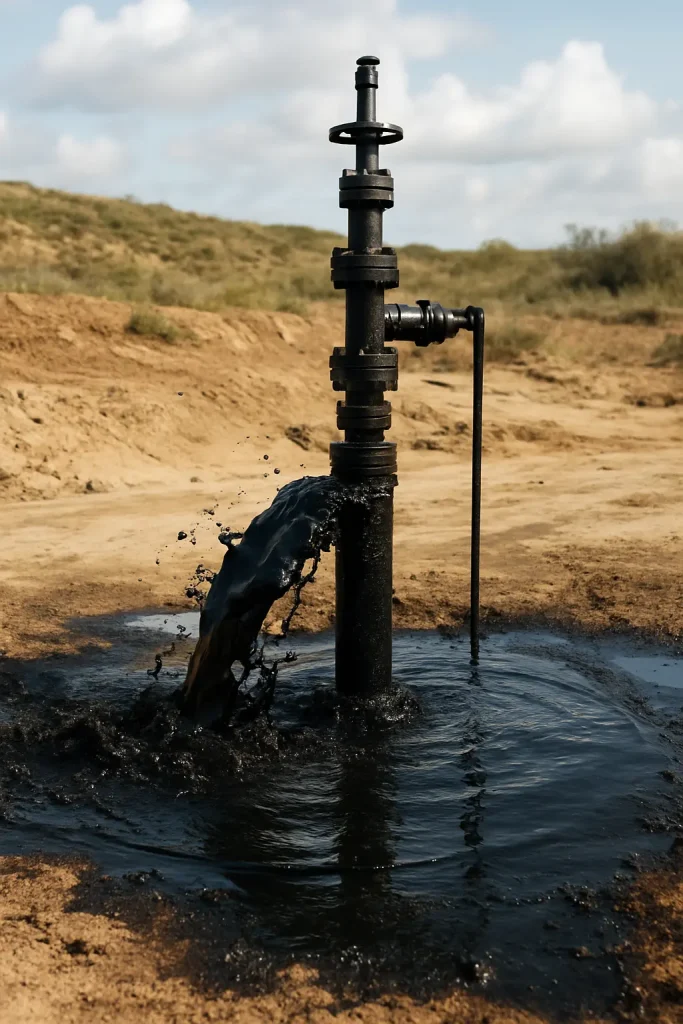
To grasp what is crude oil, know it’s a complex mix of hydrocarbons. Oil properties hinge on its makeup: roughly 85% carbon, 13% hydrogen, plus traces of sulfur and nitrogen. Per 2023 data, light crude (high API) suits gasoline, while heavy crude (low API) fits asphalt. Its density, viscosity, and boiling point vary widely. This diversity makes crude oil versatile but tricky to handle.
Oil properties shape its uses. Light crude from the Middle East is ideal for jet fuel, but heavy Venezuelan crude needs complex refining. High-sulfur “sour” crude is costlier to process than low-sulfur “sweet” crude. In 2024, 60% of global crude was light, per industry reports. These traits guide the industry from exploration to end products. Next, how is crude oil extracted?
Oil Production Methods
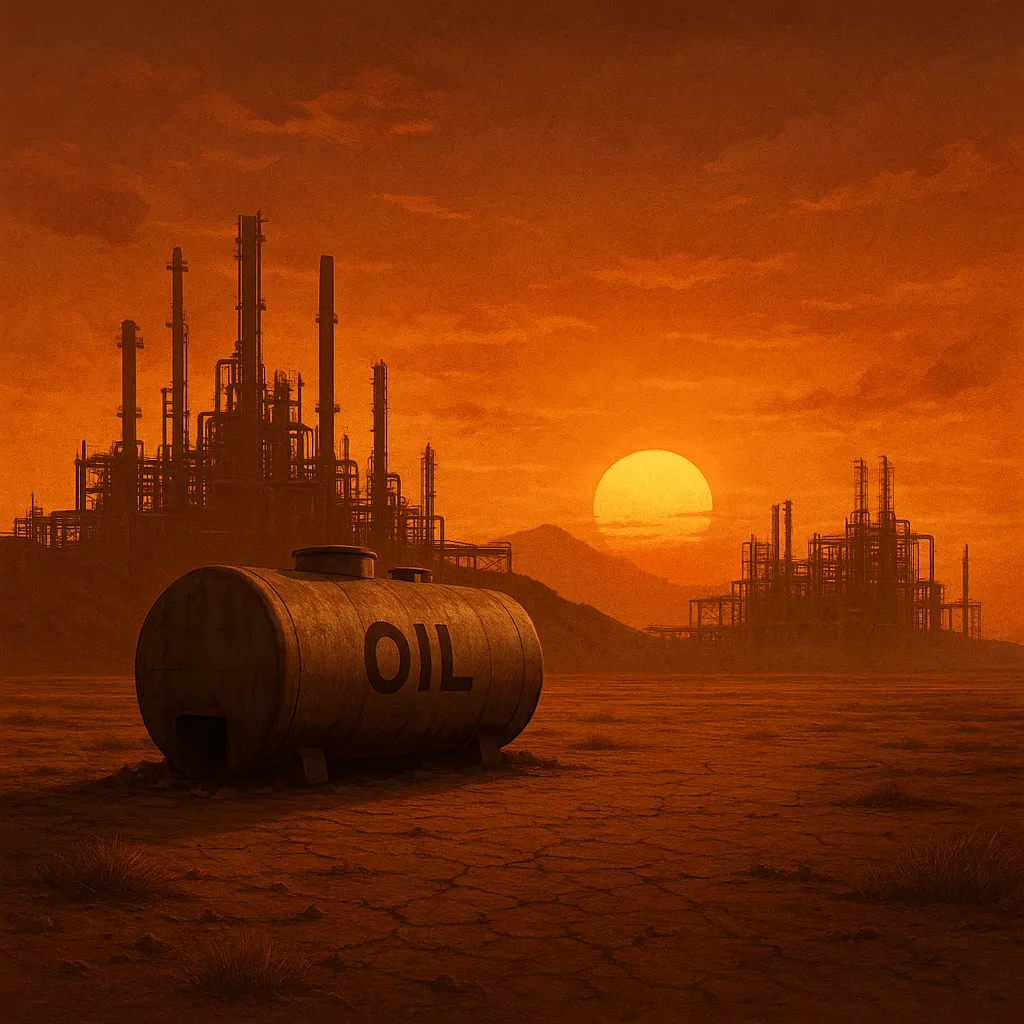
Exploring what is crude oil involves understanding its journey from underground to refineries. Oil production starts with geologists using seismic imaging to locate reservoirs. Drilling follows with rotary rigs, reaching depths up to 9 kilometers in 2023. Primary extraction, using natural pressure, recovers 10–20% of crude. Secondary methods, like water injection, boost this to 40%. This is just the beginning of a complex process.
Advanced techniques have transformed oil production. Hydraulic fracturing (“fracking”) cracks shale with water, sand, and chemicals, freeing trapped crude. In 2024, 50% of U.S. crude came from fracking, per energy data. CO2 injection, like Canada’s Dakota project, pushes yields to 60%. These methods are costly and technical. Refining then turns raw crude into usable products.
Refining is the core of oil production. Crude is split in distillation towers into gasoline, diesel, kerosene, and petrochemicals. In 2023, global refineries processed 97 million barrels daily, per Web6. Nanocatalyst tech has lifted efficiency by 15%. However, refining creates heavy pollution. What do these products do? Let’s explore crude oil’s many roles.
Uses of Oil
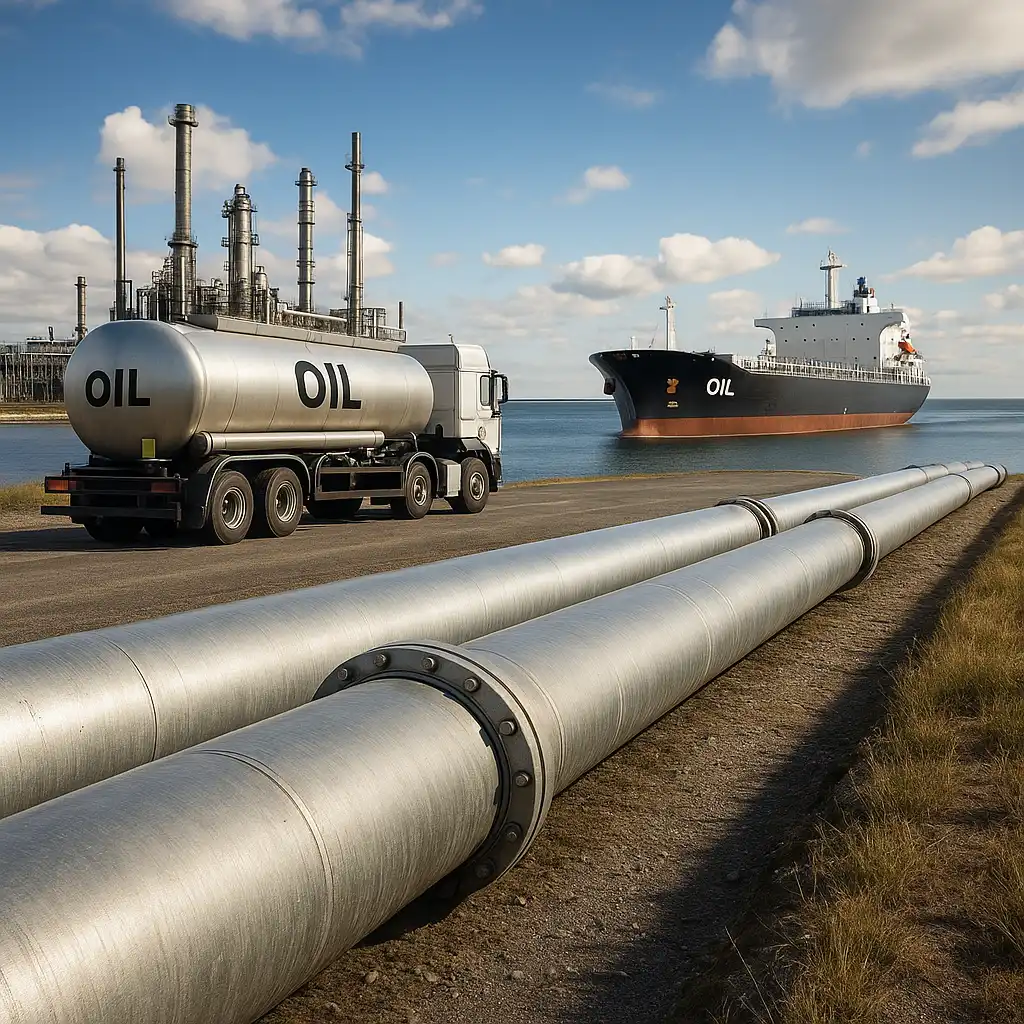
What is crude oil if not the fuel of modern life? Oil uses dominate transportation: gasoline and diesel make up 60% of global consumption. In 2022, the U.S. used 8.78 million barrels of gasoline daily, per Web21. Jet fuel (8% of use) powers planes, while diesel drives ships and trains. Without crude oil, transportation grinds to a halt. But its reach goes far beyond fuel.
Oil uses extend to petrochemicals, the base for plastics, fertilizers, paints, and even medicines. In 2024, 18% of crude went to non-fuel products, per industry data. Items like phones, tires, and crayons rely on crude oil. Crude also heats homes in cold regions via fuel oil. This versatility makes crude oil unmatched, but it comes with serious downsides.
Crude oil plays a role in power generation. Oil-fired plants, common in the Middle East, supply 10% of regional electricity, per Web15. Diesel generators keep hospitals and schools running during outages. Yet, reliance on crude makes economies fragile and harms the environment. What are these harms? Let’s dive into crude oil’s challenges.
Drawbacks of Oil
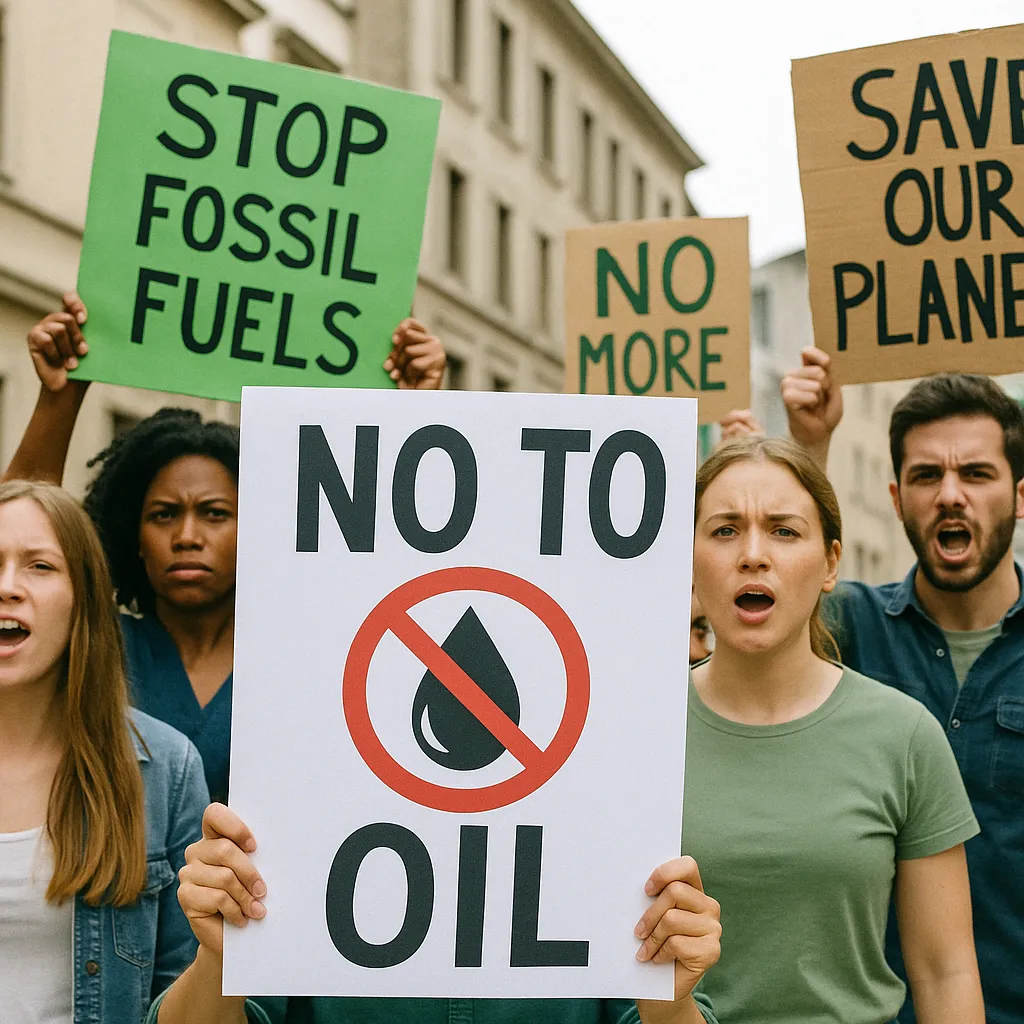
What is crude oil without its heavy toll? Oil drawbacks threaten our planet. Extraction and refining emit greenhouse gases like CO2 and methane. In 2023, crude oil caused 30% of global carbon emissions, per Web24. Spills, like the 2010 Deepwater Horizon disaster, devastate ecosystems. In Arctic regions, cleaning spills is nearly impossible due to ice. These impacts linger for decades, harming wildlife and communities.
Crude oil drawbacks aren’t just environmental. Economic dependence on crude leaves nations vulnerable to price swings. In 2024, falling prices hit budgets in 15 oil-exporting countries, per Web9. Fracking and deep drilling trigger earthquakes and pollute groundwater. A 2023 study found 20% of U.S. fracking wells contaminated local water, per Web14. These risks hit communities hard.
Crude oil extraction disrupts indigenous groups. In the Amazon and Arctic, drilling destroys habitats and threatens cultures. In 2024, 60% of new oil projects were in sensitive ecological zones, per Web20. This upsets natural balances and fuels conflict. Oil drawbacks demand solutions. Can we reduce these harms? Let’s wrap up with crude oil’s role and future.

Leave a Reply