Introduction
YouTube history began in 2005 with a simple idea. Three former PayPal employees launched a video-sharing platform. Thus, it changed how we consume media. YouTube grew into a global giant with billions of users. In addition, it became a cultural phenomenon by 2025. Moreover, its story inspires creators worldwide. This article explores YouTube history in detail. It covers its founders, growth, milestones, and impact. Consequently, you’ll see its evolution over two decades.
YouTube started above a pizzeria in California. Its first video lasted just 18 seconds. Furthermore, Google bought it for $1.65 billion in 2006. This move shaped its future. Also, it now hosts over 14 billion videos. YouTube history reflects innovation and challenges. How did it become so big? Let’s find out.

YouTube Founders: The Visionaries Behind the Platform
YouTube founders are Chad Hurley, Steve Chen, and Jawed Karim. They met while working at PayPal in 1999. Therefore, their shared experience sparked an idea. Hurley designed the logo, Chen built the tech, and Karim coded early features. In addition, they registered YouTube.com on February 14, 2005. This date marks its origin as a dating site concept.
The initial plan failed quickly. Users uploaded diverse videos instead of dating clips. Thus, YouTube founders shifted focus to video sharing. Karim uploaded the first video, “Me at the Zoo,” on April 23, 2005. It showed him at the San Diego Zoo. Moreover, this 18-second clip set the stage. YouTube founders turned a garage project into a revolution. Their vision created a new internet era.
Hurley and Chen led early growth from Menlo Park. Karim left to finish his studies at Stanford. However, all three stayed influential. YouTube founders faced technical and legal hurdles. Their persistence built a platform for billions. Consequently, their legacy defines YouTube history.

YouTube Growth: From Garage to Global Powerhouse
YouTube growth started with a beta launch in May 2005. It attracted 30,000 daily visitors initially. Therefore, word spread fast. By December 2005, it hit 8 million views daily. In addition, users loved its easy interface. This rapid rise surprised its creators. Moreover, bandwidth costs soared to $1 million daily by 2008.
Google’s acquisition in November 2006 fueled YouTube growth. The $1.65 billion deal added resources. Thus, it expanded infrastructure and reach. By 2010, it served 2 billion views daily. Also, mobile apps boosted usage in 2012. YouTube growth hit 2.7 billion monthly users by 2024. This shows its global dominance.
Content diversity drove YouTube growth. Vlogs, music, and gaming took over. Furthermore, creators like PewDiePie gained fame. The platform adapted with features like live streaming in 2011. Consequently, YouTube growth reflects user demand. It evolved from a niche site to a cultural force.
YouTube Milestones: Key Moments in Its Journey
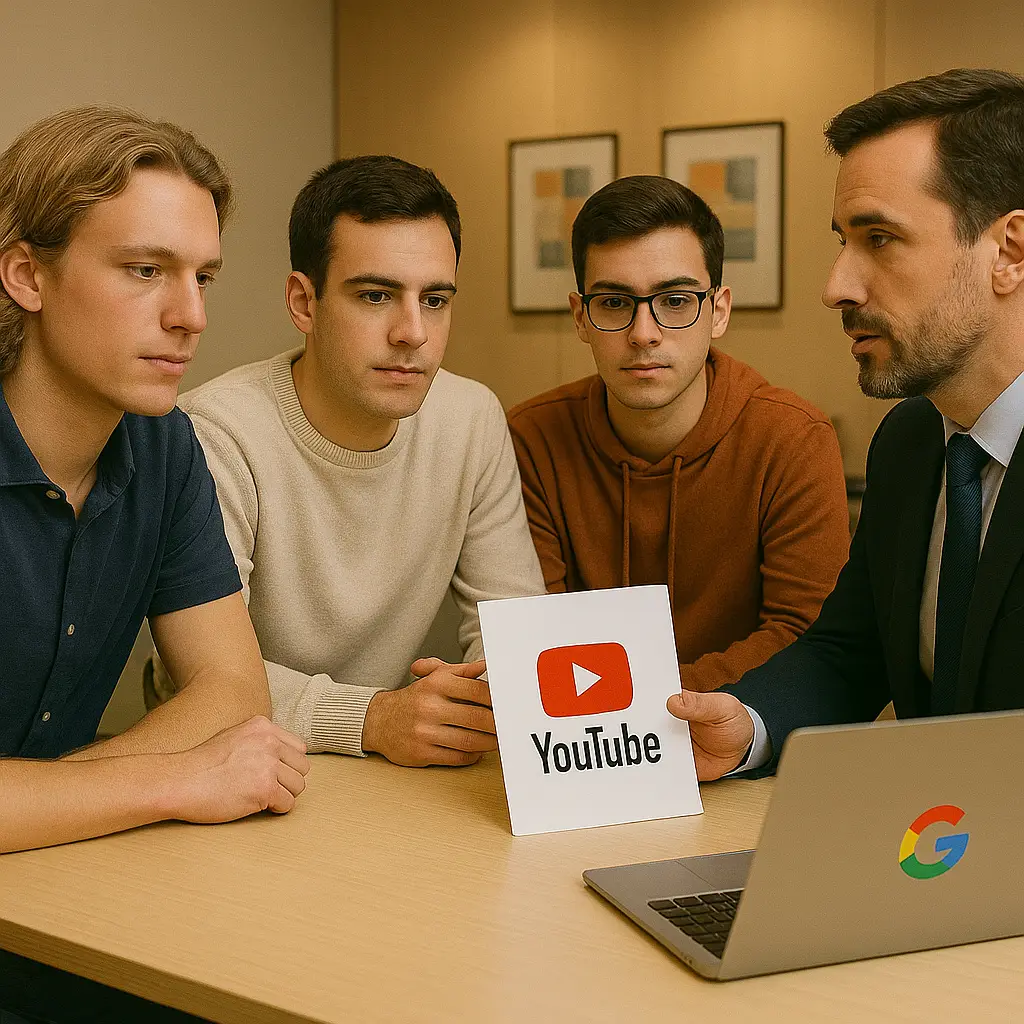
YouTube milestones began with its first video in 2005. “Me at the Zoo” marked a new era. Therefore, it’s still online today. In 2006, Google’s purchase was a major milestone. This gave it stability and funding. In addition, the Partner Program launched in 2007. It let creators earn money from ads.
Another milestone came in 2009 with 1080p videos. Quality improved user experience. Thus, 4K uploads started in 2010. Also, YouTube Live in 2011 enabled real-time events. YouTube milestones include Shorts in 2020. This countered TikTok’s rise. Moreover, revenue hit $50 billion by 2024.
Criticism shaped YouTube milestones too. Copyright issues emerged early. Therefore, deals with media companies followed. In 2019, subscriber counts simplified to “K” values. This change affected third-party tools. Consequently, YouTube milestones highlight innovation and challenges. Its journey remains dynamic.
YouTube Impact: Shaping Culture and Controversy
YouTube history shows a huge cultural impact. It launched careers like Justin Bieber’s in 2010. Thus, it became a springboard for talent. By 2025, it influences trends and education. In addition, the Khan Academy grew from its videos. This shows its learning potential. Moreover, it’s the second-most-visited site globally.
Controversies mark YouTube history too. Copyright disputes arose since 2006. Therefore, Google negotiated with studios. Misinformation and harmful content drew criticism. Also, child safety concerns emerged in 2019. YouTube adjusted policies to address these. Furthermore, ad blockers faced restrictions in 2023.
Its social role is undeniable. YouTube empowered creators with revenue tools. Thus, millions earn through memberships and Super Chats. However, moderation challenges persist. Consequently, YouTube impact balances opportunity and responsibility. It shapes our digital world daily.
Leave a Reply